

Real Estate Asset Tokenization and Fractional Ownership: The 2026 Investment Shift
Introduction: A Structural Change in Property Investing
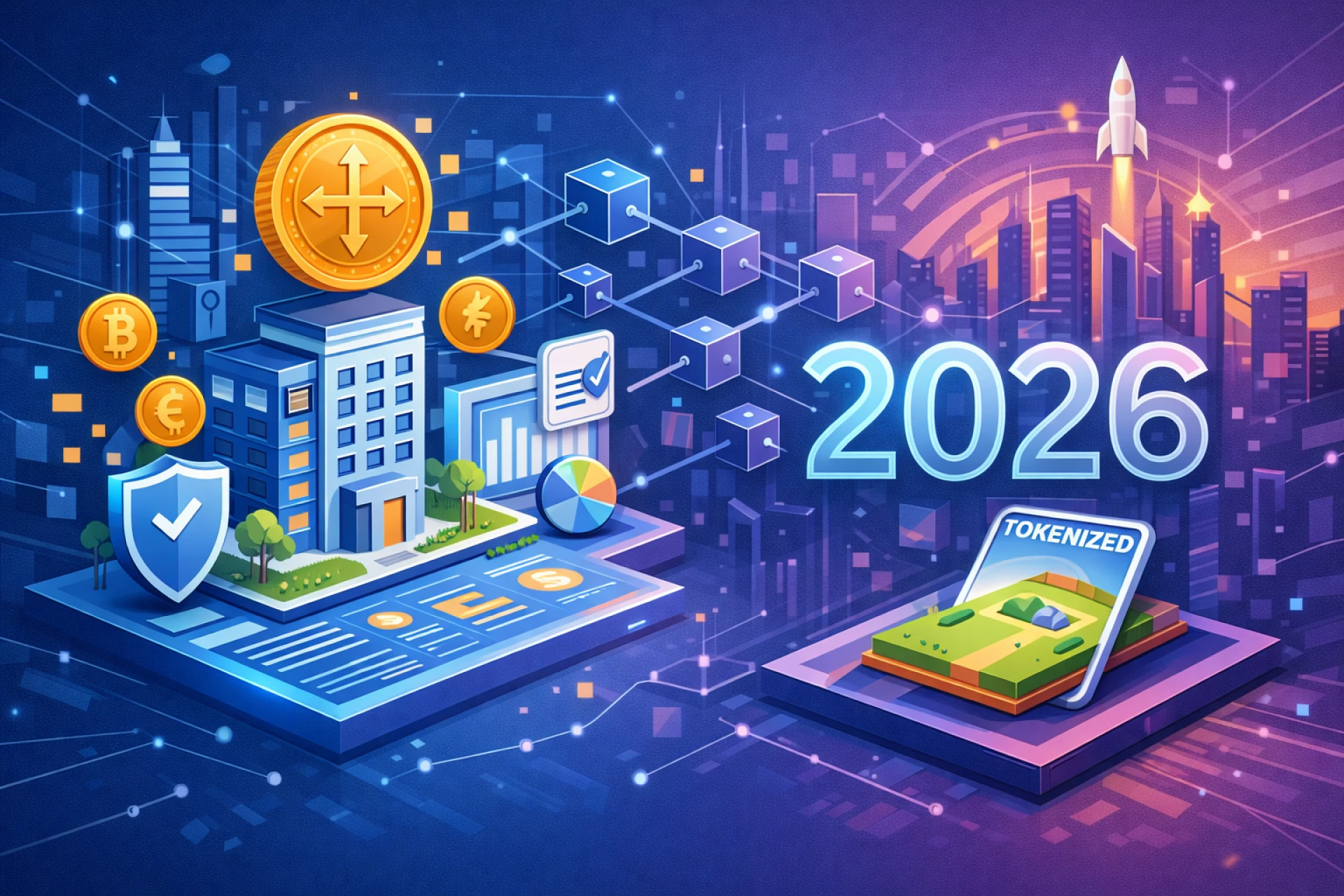
The global real estate market is undergoing a structural transformation in 2026. For decades, property investment was largely defined by high capital requirements, limited liquidity, lengthy transaction cycles, and geographic constraints. Institutional players dominated prime assets, while retail investors often struggled to access high value commercial and international opportunities. Today, that model is being reshaped by real estate asset tokenization and fractional ownership.
The convergence of blockchain infrastructure, evolving regulations, and digital investor behavior has unlocked a new paradigm. Real Estate Tokenization is no longer viewed as an experimental fintech concept. It has matured into an institutional grade investment framework that allows assets to be digitized, fractionalized, and traded with greater efficiency and transparency.
In 2026, this shift is not about technology hype. It is about capital efficiency, portfolio diversification, and global investor inclusion. Real estate asset tokenization and fractional ownership are redefining how property is owned, traded, and managed across markets.
Understanding Real Estate Asset Tokenization
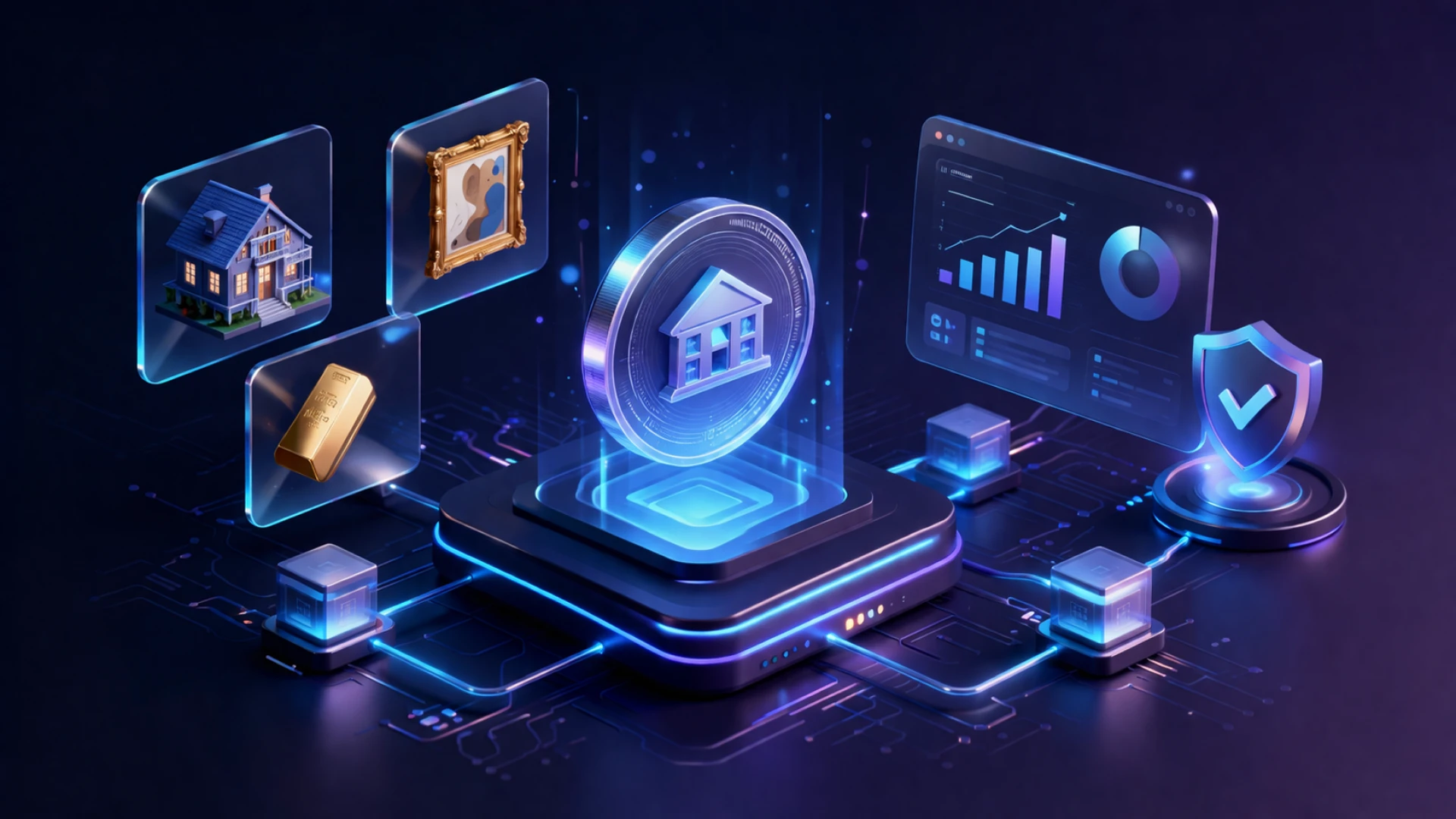
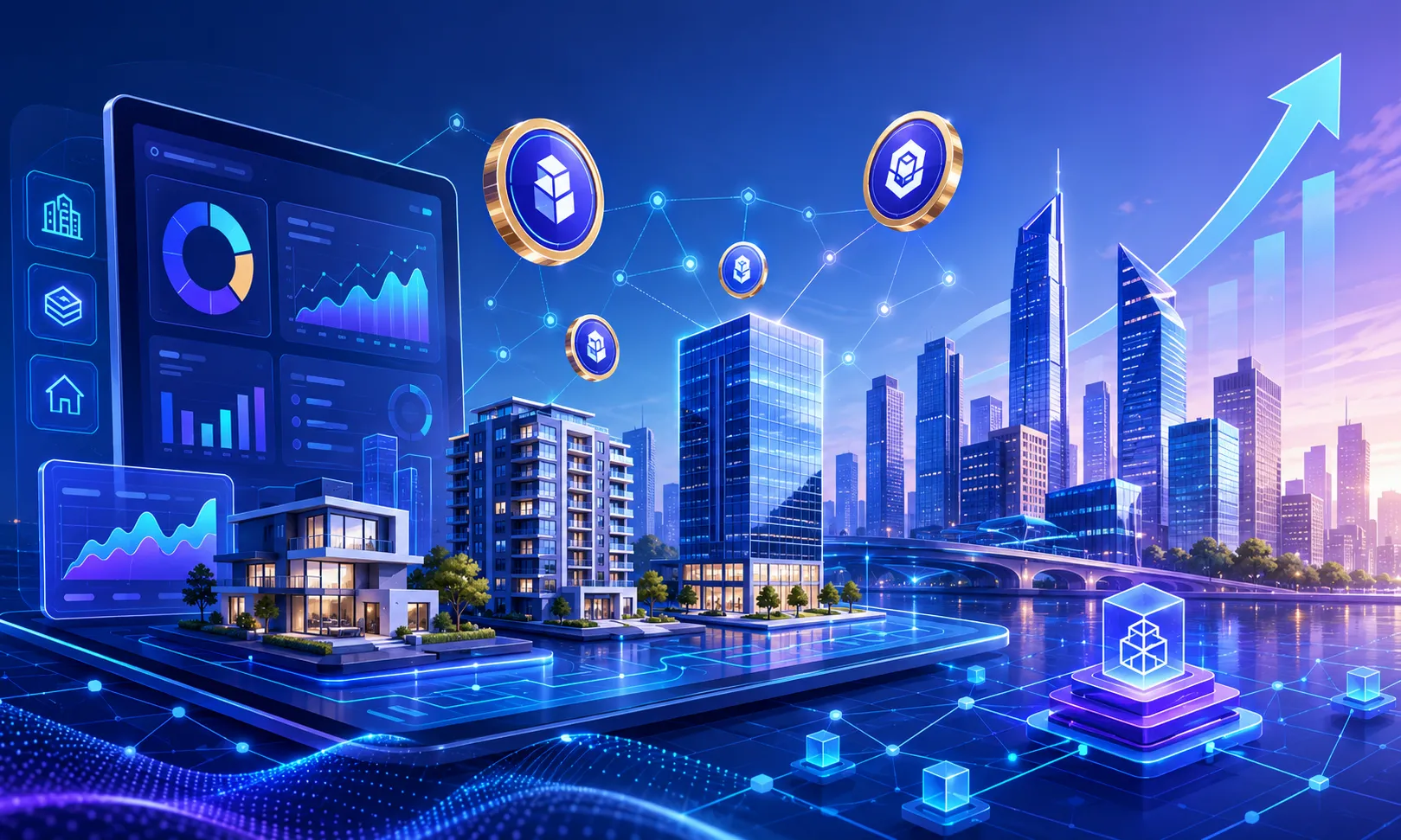
At its core, Real Estate Tokenization is the process of converting ownership rights in a physical property into digital tokens recorded on a blockchain network. Each token represents a fractional interest in the asset, whether it is a commercial building, residential development, industrial warehouse, or mixed use property.
Instead of relying solely on traditional deeds and paper based agreements, ownership data is embedded into programmable digital assets. These tokens can reflect equity ownership, revenue sharing rights, or other financial entitlements depending on the legal and structural design of the project.
This transformation is powered by sophisticated Real Estate Tokenization Platform Development. These platforms integrate blockchain infrastructure, compliance layers, investor onboarding modules, and smart contract automation. The result is a seamless digital ecosystem where assets can be issued, managed, and traded in a structured and compliant manner.
For investors, tokenization introduces the possibility of accessing high value properties with significantly lower capital requirements. For property developers and sponsors, it opens new fundraising channels and enhances global capital reach.
The Rise of Fractional Ownership in 2026
Fractional ownership is not a new concept. Timeshares and real estate investment trusts have long allowed shared exposure to property assets. What distinguishes 2026 is the scale, efficiency, and transparency enabled by digital tokenization.
Through a Real Estate Tokenization Platform, a property worth millions can be divided into thousands of tokens. Investors can purchase smaller units that align with their financial capacity and risk appetite. This reduces the entry barrier while maintaining exposure to institutional grade assets.
Fractional ownership also enhances portfolio diversification. Instead of allocating a large portion of capital to a single property, investors can distribute their funds across multiple asset classes and geographies. A retail investor in Asia can gain exposure to commercial property in Europe or residential projects in North America without complex cross border processes.
This flexibility is fueling the 2026 investment shift. Capital is moving toward more accessible, digital first property structures where ownership is transparent and participation is democratized.
Institutional Adoption and Market Confidence
One of the defining trends of 2026 is the growing institutional embrace of tokenized real estate. Pension funds, asset managers, and private equity firms are increasingly exploring Real Estate Tokenization Services to optimize liquidity and operational efficiency.
Institutional adoption signals market maturity. When large capital allocators begin leveraging tokenization frameworks, it validates the underlying infrastructure. Many institutions collaborate with a Real Estate Tokenization company to structure compliant digital offerings that align with securities regulations and investor protection standards.
This adoption is not driven by novelty. It is driven by measurable advantages. Tokenization can reduce settlement timelines, streamline ownership transfers, and automate distribution of rental income through smart contracts. Operational overhead is reduced while transparency increases.
As institutions participate, retail confidence strengthens. The market begins to view tokenized property not as a speculative asset class but as a legitimate extension of traditional real estate investment.
Liquidity: The Core Investment Advantage
Real estate has historically been considered an illiquid asset. Selling a property often involves lengthy negotiations, legal processes, and brokerage coordination. In many cases, investors must wait years to realize gains.
Tokenization introduces a secondary market dynamic. When tokens are listed on regulated digital marketplaces, investors can potentially trade fractional interests more efficiently than entire properties. While liquidity levels vary depending on jurisdiction and platform design, the structural possibility itself changes investor psychology.
A Real Estate Tokenization Development company plays a critical role in building secure and scalable trading mechanisms. These systems must incorporate compliance checks, identity verification, and transaction transparency. When properly designed, they reduce friction in ownership transfers and increase investor flexibility.
Liquidity does not mean volatility. In fact, tokenized real estate can maintain stability because underlying assets are tangible properties generating rental income. The added liquidity layer simply enhances exit optionality and capital mobility.
Transparency and Trust in Digital Ownership
Transparency has become a central requirement for modern investors. In traditional property transactions, information asymmetry often favors insiders with local expertise. Documentation may be fragmented and difficult to verify.
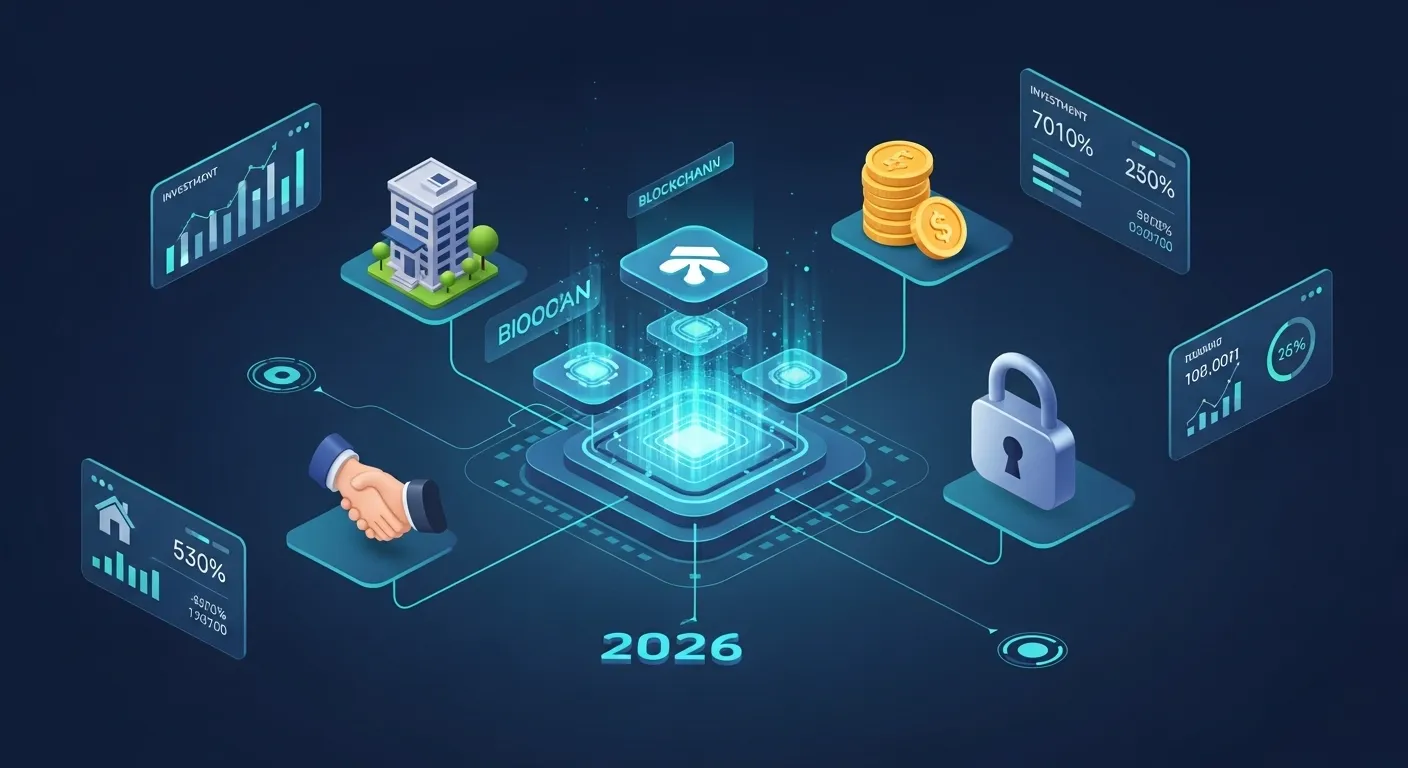
Blockchain based Real Estate Tokenization introduces a transparent ledger where ownership records and transaction histories are securely stored. While sensitive investor data remains protected, the structural framework enhances auditability and traceability.
Smart contracts automate revenue distribution, governance mechanisms, and compliance triggers. This reduces the risk of manual errors and increases operational integrity. Investors can track their holdings and returns in real time through integrated dashboards within a Real Estate Tokenization Platform.
Trust is further strengthened by collaboration with regulated custodians, legal advisors, and compliance providers. Real Estate Tokenization Development Services focus not only on technical architecture but also on regulatory alignment. In 2026, compliance first design has become a defining characteristic of successful tokenization projects.
Globalization of Property Investment
One of the most profound outcomes of the 2026 investment shift is the globalization of property ownership. Historically, cross border real estate investment required complex legal structures, significant capital, and specialized intermediaries.
Tokenization simplifies cross border participation by digitizing ownership and embedding regulatory compliance within platform frameworks. Investors can complete digital onboarding, undergo identity verification, and access international offerings through a single interface.
A well structured Real Estate Tokenization Platform Development strategy incorporates multi jurisdiction compliance, currency integration, and localized reporting features. This enables global capital flows without sacrificing legal safeguards.
For emerging markets, tokenization offers a new channel to attract foreign investment. Developers can reach a broader audience while maintaining transparent ownership structures. For investors, geographic diversification becomes more practical and efficient.
Impact on Developers and Property Owners
The benefits of Real Estate Tokenization extend beyond investors. Developers and property owners gain access to alternative financing models. Instead of relying solely on bank loans or private equity, they can tokenize assets and raise capital directly from a distributed investor base.
This model enhances capital efficiency. Developers can unlock value in stabilized assets without fully divesting ownership. Fractionalization allows them to retain strategic control while freeing capital for expansion.
Working with a Real Estate Tokenization Development company enables developers to structure offerings that align with long term business objectives. Platform design, investor communication tools, and automated reporting systems all contribute to professional capital management.
In 2026, tokenization is increasingly integrated into broader real estate strategies. It is not a replacement for traditional financing but a complementary channel that increases flexibility and resilience.
Regulatory Evolution and Market Stability
Regulatory clarity has been a decisive factor in the 2026 investment shift. Over the past few years, financial authorities in multiple jurisdictions have developed clearer frameworks for digital securities and tokenized assets.
This regulatory progress has reduced uncertainty and encouraged participation from mainstream financial institutions. Real Estate Tokenization Services now emphasize structured compliance processes, investor accreditation checks, and transparent disclosures.
A responsible Real Estate Tokenization company works closely with legal experts to ensure that token offerings comply with securities laws and anti money laundering requirements. This alignment fosters long term market stability and protects investors from systemic risks.
As regulators continue to refine digital asset policies, tokenized real estate is increasingly recognized as part of the broader financial ecosystem rather than an isolated innovation.
Technology Infrastructure Behind the Shift
Behind every successful tokenized project lies robust technical architecture. Real Estate Tokenization Platform Development requires integration of blockchain networks, smart contract frameworks, digital identity systems, and secure payment gateways.
Scalability and security are paramount. Platforms must handle high transaction volumes while safeguarding investor data and asset records. Cybersecurity protocols, encryption standards, and regular audits are essential components.
Real Estate Tokenization Development Services also include user experience design. Investor dashboards, reporting interfaces, and mobile accessibility influence adoption rates. In 2026, intuitive digital experiences are expected as standard, not optional.
Interoperability is another emerging focus. As multiple platforms operate globally, the ability to transfer tokens across ecosystems enhances market fluidity. Forward looking Real Estate Tokenization Development company teams are building solutions that anticipate cross platform integration and evolving technological standards.
Portfolio Strategy in the Age of Tokenization
For investors, the 2026 shift is not merely about accessing new assets. It is about redefining portfolio construction. Tokenized real estate allows granular allocation strategies. Investors can tailor exposure based on asset type, risk profile, geographic location, and projected yield.
Instead of allocating capital in large increments, they can adjust positions with precision. This flexibility aligns real estate more closely with modern portfolio theory principles that emphasize diversification and risk management.
Real Estate Tokenization also supports data driven decision making. Digital platforms provide performance analytics, occupancy metrics, and income distribution records in real time. Investors gain deeper insights into asset performance and can adjust strategies accordingly.
This data transparency strengthens confidence and encourages long term participation. As more assets become tokenized, secondary markets mature and valuation benchmarks evolve.
Challenges and Considerations
Despite its transformative potential, Real Estate Tokenization is not without challenges. Market education remains essential. Many investors and property owners still require clarity on legal structures, tax implications, and risk factors.
Liquidity, while improved, is not guaranteed. Secondary market depth depends on platform adoption and regulatory support. Investors must evaluate project fundamentals rather than relying solely on technological appeal.
Security risks also demand attention. Platform operators must maintain rigorous cybersecurity standards and transparent governance frameworks. A reputable Real Estate Tokenization company prioritizes risk mitigation through audits, compliance monitoring, and stakeholder communication.
As the market evolves, best practices are becoming standardized. Collaboration between developers, regulators, financial institutions, and technology providers is shaping a resilient ecosystem.
The 2026 Investment Mindset
The defining characteristic of 2026 is a shift in investor mindset. Ownership is becoming digital, flexible, and globally accessible. Investors expect transparency, efficiency, and diversification opportunities across borders.
Real Estate Tokenization embodies this mindset. It aligns physical property assets with digital capital markets. Fractional ownership lowers barriers, while blockchain infrastructure enhances trust and automation.
Real Estate Tokenization Platform Development has matured from pilot experiments to enterprise grade solutions. Real Estate Tokenization Development Services are now integrated into mainstream property strategies. A Real Estate Tokenization Development company is no longer serving niche innovators but established developers and institutional funds.
This shift is not a temporary trend. It reflects deeper changes in how capital is raised, allocated, and managed.
Conclusion: A New Era of Property Ownership
Real estate asset tokenization and fractional ownership represent one of the most significant evolutions in property investment in recent decades. In 2026, the model has moved beyond theory into practical implementation at scale.
Investors gain access, flexibility, and transparency. Developers unlock alternative capital channels and global reach. Institutions benefit from operational efficiency and structured liquidity. Regulators are increasingly supportive of compliant digital frameworks.
Real Estate Tokenization is redefining ownership by transforming static physical assets into programmable financial instruments. As infrastructure continues to mature and adoption expands, the integration of tokenized property into mainstream portfolios is likely to accelerate.
The 2026 investment shift is not about abandoning traditional real estate. It is about enhancing it with digital capabilities that align with the expectations of modern capital markets. Fractional ownership, supported by advanced Real Estate Tokenization Platform ecosystems, is shaping a future where property investment is more inclusive, efficient, and globally connected.
In this new era, real estate is no longer confined by geography, high capital thresholds, or rigid ownership structures. It is becoming a dynamic, digital asset class designed for the interconnected world of 2026 and beyond.

























Sign in to leave a comment.