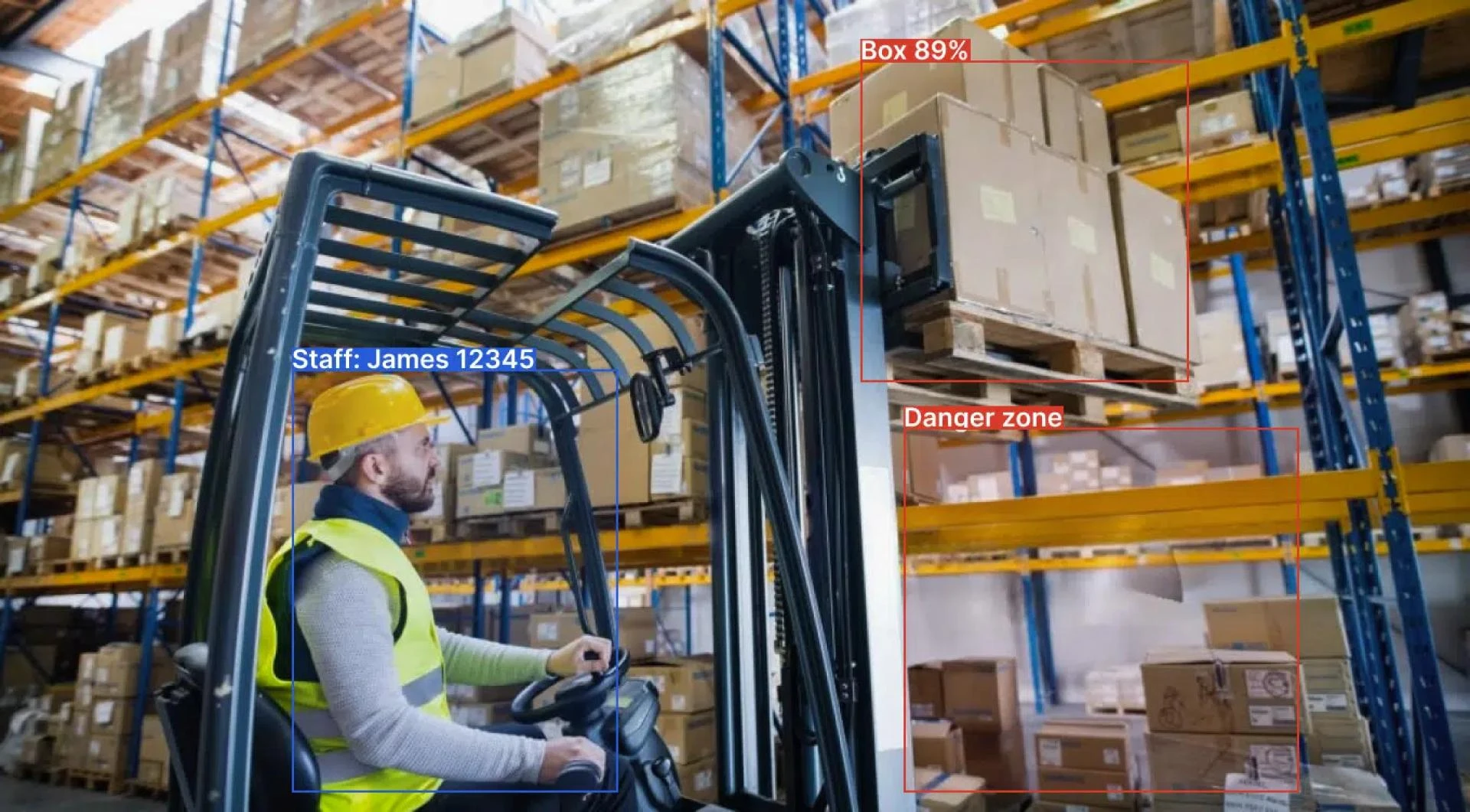

Forklifts are essential in industries that deal with heavy goods, including logistics, manufacturing, and retail stockrooms. They streamline material handling and improve spatial efficiency in warehouses, factories, and distribution centers. However, despite their efficiency, forklifts are also responsible for thousands of injuries and fatalities each year. Many of these accidents result in serious injuries such as broken bones, soft tissue damage, and even death. This highlights the pressing need for enhanced safety systems that go beyond traditional safety measures.
The Ongoing Challenge of Forklift Safety
Forklifts, though compact in design, can weigh over 10,000 pounds and pose a significant threat to workers in busy environments. While facilities often implement safety measures like pedestrian walkways, forklift zones, and dedicated traffic rules, accidents still happen due to inherent risks such as:
- Narrow aisles that restrict safe movement for pedestrians.
- Blind corners where operators or pedestrians unexpectedly encounter each other.
- Forklifts reversing with limited visibility, increasing the risk of collisions.
- Distracted workers who are unaware of hazardous zones.
These safety controls often fail to completely mitigate risks, especially in high-traffic or crowded areas. In response, industries are turning to new, technology-driven solutions such as computer vision and AI to create smarter, more proactive safety systems for forklifts.
How Computer Vision Transforms Forklift Collision Avoidance
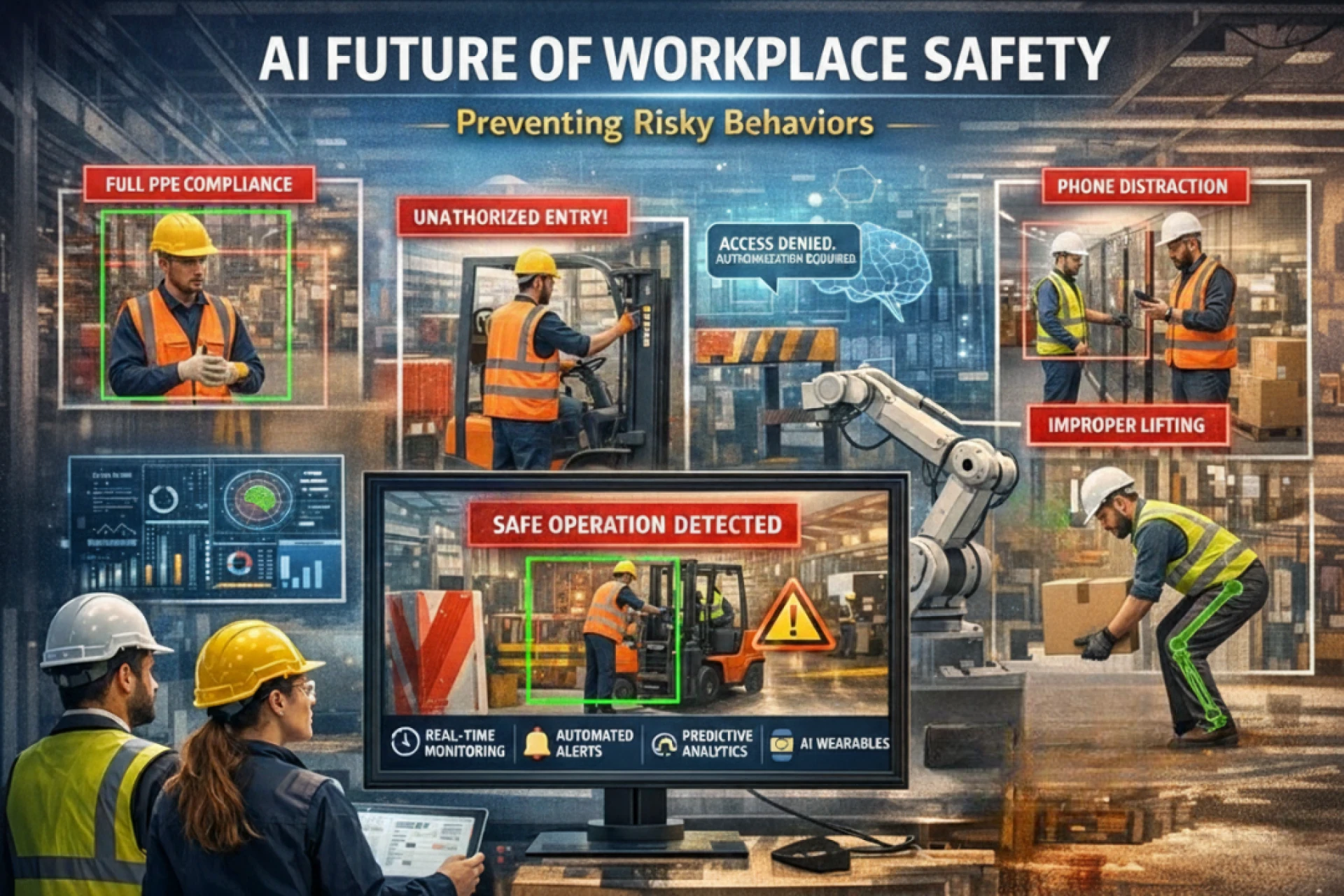
Computer vision technology, powered by AI, has revolutionized forklift safety systems by offering real-time analysis of the environment. Unlike traditional systems that rely on proximity sensors, which often have limitations in detecting obstacles or people, AI-based systems use cameras and deep learning algorithms to continuously monitor and interpret visual data.
The AI system identifies people, pallets, vehicles, and other objects in the forklift’s operational environment, classifying and separating them accordingly. This advanced system provides:
- Real-time situational awareness of the forklift’s surroundings.
- Instant alerts when pedestrians enter hazardous zones or when other forklifts approach blind spots.
- Automated safety actions, such as slowing down or halting the forklift when necessary to prevent collisions.
These capabilities go beyond simple distance measurement, offering a more dynamic and intelligent approach to safety.
Nextbrain’s AI-Powered Forklift Accident Prevention System
At Nextbrain, we offer cutting-edge forklift safety solutions that leverage AI and computer vision to reduce risks, prevent accidents, and enhance operational efficiency. Our Forklift Accident Prevention System offers several benefits that make forklift operations safer and more reliable:
1. Real-Time Video-Based Alerts
Using advanced AI video analytics, the system monitors restricted areas for potential intrusions. If a pedestrian or another forklift enters the protected zone, the system immediately triggers an alert, enabling safety teams to act quickly and mitigate risk.
2. Proximity Detection for Pedestrians
The system constantly checks the proximity between forklifts and pedestrians. If a worker comes too close, the system activates an alert to warn both the operator and supervisors, preventing potential accidents before they occur.
3. Identification of Unsafe Patterns with Heatmaps
AI algorithms create visual heatmaps that track the movement patterns of forklifts and pedestrians within the facility. This data helps managers identify repetitive unsafe behaviors or high-risk areas, allowing them to adjust workflows or implement new safety measures.
4. Continuous Safety Data Collection
Our system continuously gathers data on forklift-pedestrian interactions. This valuable information is used for ongoing analysis to identify trends, assess safety practices, and improve operations. It also helps organizations comply with safety regulations and optimize their work environments.
Why AI Is the Future of Forklift Safety
Traditional forklift safety measures, such as motion sensors, heat sensors, and proximity alarms, often fail to provide complete protection. These systems are reactive and prone to false positives, limiting their effectiveness. In contrast, AI-powered computer vision systems offer a comprehensive and proactive safety solution. Here’s how:
Benefits of AI-Driven Forklift Safety Systems
- Real-Time Image Recognition: AI systems analyze high-resolution video feeds in real time, offering detailed insights into the forklift’s surroundings. Unlike sensors, which provide limited data, AI-powered systems can identify and analyze moving objects in full motion.
- Reduced Product Damage: AI systems can stop forklifts before they cause damage to products or inventory. This helps minimize accidents that could lead to costly repairs or product losses.
- Regulatory Compliance: With AI-driven systems, organizations can monitor adherence to safety standards like OSHA and ISO. Data logs captured by the system can be used for reporting and regulatory documentation.
Advantages for Forklift Operations
1. Enhanced Workplace Safety
AI-powered forklift systems increase operator awareness by providing real-time feedback on the environment. This reduces the chances of accidents and injuries, fostering a safer work culture.
2. Better Awareness for Operators
Operators no longer have to rely solely on rear-view mirrors or their instinct. With AI, they receive real-time alerts about their surroundings, making them more aware of potential hazards.
3. Minimized Downtime
By preventing accidents, AI systems reduce unplanned downtime, shutdowns, and delays, ensuring the smooth operation of the facility. This also helps avoid costly repairs resulting from accidents.
4. Actionable Insights
AI systems provide valuable insights into forklift movements, pedestrian patterns, and overall traffic flow within the facility. This data can be used to optimize safety protocols, improve efficiency, and enhance workflow designs.
The Future of Forklift Safety is AI-Enabled
As industries continue to adopt AI technologies, forklift safety systems are evolving from passive to proactive measures. AI-powered systems provide an additional layer of intelligence, allowing forklifts to not only detect objects but also understand their surroundings and respond accordingly. This shift is transforming how companies think about workplace safety, making environments smarter, safer, and more efficient.
Adopting AI and computer vision technology into forklift operations offers organizations a chance to stay ahead of safety requirements, increase operational efficiency, and reduce the risk of accidents. As these systems evolve, industries will increasingly benefit from reduced risks, improved compliance, and a safer workforce.
Are You Ready to Transform Your Forklift Safety Processes?
At Nextbrain, we specialize in AI-driven forklift safety solutions tailored to meet the unique needs of your facility. Our Forklift Accident Prevention System helps you protect your workforce, enhance safety protocols, and improve operational efficiency. Reach out to our experts today to discuss how we can help you revolutionize your forklift safety processes.
Frequently Asked Questions (FAQs)
1. What is a forklift collision avoidance system using computer vision AI?
It’s an advanced safety system that uses AI-powered cameras to analyze live video feeds. The system identifies people, obstacles, and potential hazards, triggering alerts or automatically halting the forklift to avoid collisions.
2. What hazards can AI computer vision detect?
AI systems can detect pedestrian proximity, forklift-to-forklift collisions, blind spots, speeding in narrow aisles, and other structural hazards.
3. How does the system prevent collisions?
It continuously monitors the environment, providing real-time alerts to operators when risks are detected. In some cases, the system can automatically decelerate or stop the forklift.
4. How does this technology lower accident risk?
AI systems supplement human-built safety protocols by proactively monitoring the environment, reducing human error, and fostering a safety-first culture.
5. Which industries benefit from AI forklift safety systems?
Industries such as logistics, manufacturing, construction, automotive, and retail can all benefit from AI-powered forklift safety systems, improving safety and reducing operational disruptions.





















Sign in to leave a comment.