
Stainless steel is one of the most important engineering materials used in modern industries due to its exceptional combination of strength, corrosion resistance, and long service life. It is an iron-based alloy that typically contains chromium (minimum 10.5%), which forms a protective oxide layer on the surface and prevents rusting. Additional elements such as nickel, molybdenum, and carbon further enhance its mechanical and chemical properties.
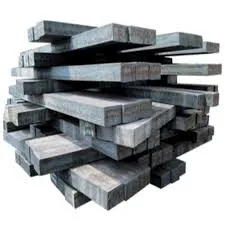
In industrial metal production, billets are one of the most crucial intermediate products. A billet is a semi-finished metal form that is produced during steel manufacturing and later processed into final products such as rods, bars, wires, pipes, and structural components.
Because of their versatility and strength, stainless steel billets are widely used in construction, automotive manufacturing, oil & gas, marine engineering, power plants, and heavy machinery industries.
Get information about Stainless Steel Billets from Adarsh Stainless Pvt.Ltd
What Are Stainless Steel Billets?
Stainless steel billets are semi-finished solid metal blocks that serve as the raw material for producing a wide variety of finished stainless steel products.
Definition
A billet is a long, rectangular or square-shaped steel product that is created by casting molten stainless steel into molds or through continuous casting methods. These billets are then reheated and mechanically processed into usable forms.
Shape and Size Characteristics
- Typically square or rectangular cross-section
- Standard sizes range from small industrial billets (60mm × 60mm) to larger sections (200mm × 200mm or more)
- Length varies depending on production requirements
- Surface may be smooth or slightly rough depending on casting method
Role in Further Processing
Stainless steel billets are not final products; they act as intermediate materials for:
- Hot rolling to produce bars, rods, and sheets
- Forging for machine components
- Extrusion for tubes and profiles
- Wire drawing for cables and fasteners
Importance in Industry
Billets ensure:
- Material consistency
- Structural strength
- Cost-effective mass production
Types of Stainless Steel Billets
Austenitic Stainless Steel Billets
Common grades: 304, 316
- Excellent corrosion resistance
- Non-magnetic
- High ductility and formability
- Used in food processing, chemical plants, and marine environments
Ferritic Stainless Steel Billets
- Magnetic properties
- Moderate corrosion resistance
- Lower cost
- Used in automotive exhaust systems and appliances
Martensitic Stainless Steel Billets
- High strength and hardness
- Heat treatable
- Used in knives, tools, and surgical instruments
Duplex Stainless Steel Billets
- Combination of austenitic and ferritic structures
- Very high strength
- Excellent corrosion resistance
- Used in offshore, oil & gas, and chemical industries
Chemical Composition of Stainless Steel Billets
| Element | Role |
| Chromium | Corrosion resistance |
| Nickel | Toughness and ductility |
| Molybdenum | Pitting corrosion resistance |
| Carbon | Strength and hardness |
| Manganese | Workability |
Explanation
Chromium forms a protective layer that prevents rusting. Nickel improves flexibility and stability. Molybdenum enhances resistance in harsh environments. Carbon increases hardness, while manganese improves manufacturing performance.
Properties of Stainless Steel Billets
Mechanical Properties
- High tensile strength
- Durability under heavy loads
- Good impact resistance
Physical Properties
- Density around 7.8 g/cm³
- High melting point (1400–1450°C range)
- Low thermal conductivity
Corrosion Resistance
- Strong resistance to rust and oxidation
- Performs well in marine, chemical, and humid environments
Key Uses of Stainless Steel Billets
- Manufacturing bars, rods, and wires
- Automotive components
- Construction structures
- Oil and gas equipment
- Shipbuilding and marine applications
- Industrial machinery parts
Manufacturing Process of Stainless Steel Billets
- Melting in electric arc furnace
- Refining to remove impurities
- Continuous casting into billet shapes
- Hot rolling for shaping and strengthening
- Surface finishing and quality inspection
Stainless Steel Billets vs Ingots vs Blooms
| Feature | Billets | Ingots | Blooms |
| Shape | Square/rectangular | Large block | Larger rectangular section |
| Size | Medium | Largest | Larger than billets |
| Production | Continuous casting | Mold casting | Semi-continuous casting |
| Use | Bars, rods, wires | Re-melting | Structural sections |
Advantages of Stainless Steel Billets
- High strength-to-weight ratio
- Excellent corrosion resistance
- Fully recyclable
- Long service life
- Versatile industrial applications
Tips for Choosing the Right Stainless Steel Billets
- Select grade based on application (304, 316, duplex)
- Consider environmental exposure
- Match size with manufacturing process
- Ensure supplier certification and quality control
- Choose a trusted Stainless Steel Billets Manufacturer for consistent quality
Conclusion
Stainless steel billets are essential semi-finished materials used across multiple industries for producing high-performance steel products. Their strength, corrosion resistance, and versatility make them a backbone of modern manufacturing systems. Understanding their types, properties, and uses helps industries select the right material for long-term efficiency and durability.





















Sign in to leave a comment.