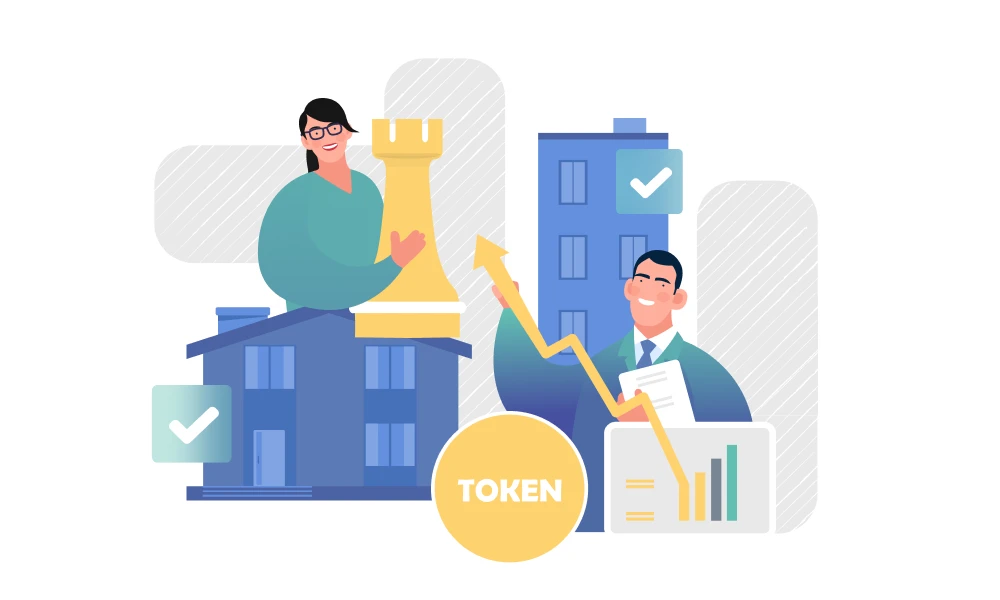

Real estate has always been one of the most stable and valuable asset classes in the world. From commercial buildings and luxury apartments to land parcels and industrial complexes, property investments have long served as dependable wealth creators. However, traditional real estate markets come with limitations related to lack of liquidity, high entry barriers, tedious documentation, and challenges in global accessibility. These bottlenecks have pushed investors and enterprises to seek innovative solutions that modernize and democratize real estate investing.
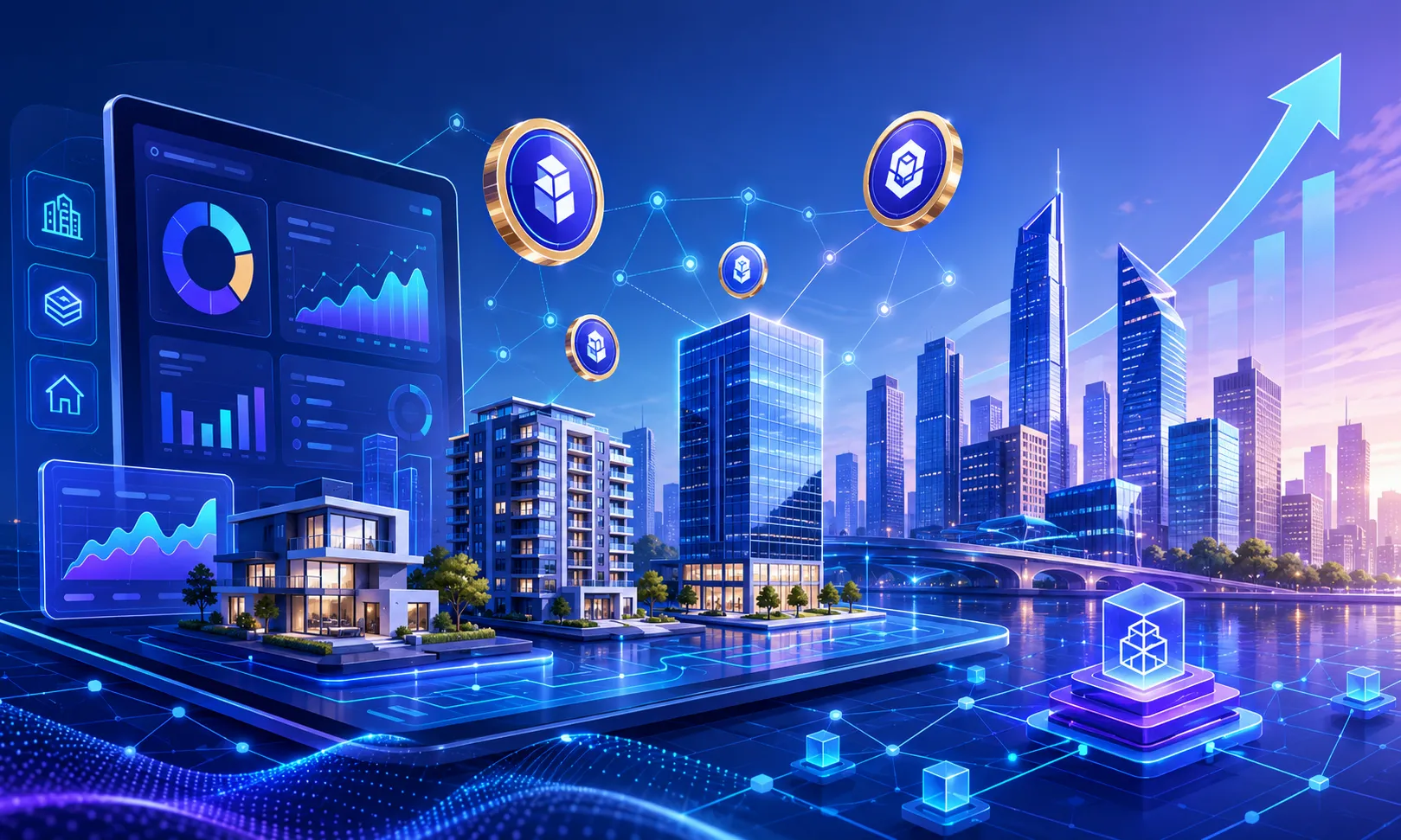
This is where Real Estate Tokenization Platform Development is emerging as a groundbreaking transformation in the industry. By converting real-world property assets into digital tokens stored and transferred on blockchain networks, investors gain unmatched transparency, security, and liquidity. Enterprises, property developers, investors, and technology companies worldwide are investing heavily in building advanced tokenization platforms to control, manage, and monetize real estate assets more efficiently.
This blog explores the top advantages of investing in Real Estate Tokenization Platform Development and why it is becoming a strategic necessity for stakeholders aiming to capitalize on the future of digital real estate.
1. Fractional Ownership Unlocks Global Accessibility
One of the biggest breakthroughs introduced by real estate tokenization is the ability to divide property ownership into smaller digital tokens. This fractional ownership model allows investors to purchase a portion of a large asset, making participation accessible to a wider audience.
Traditionally, investing in high-value properties required significant capital, making it difficult for small or medium-scale investors to enter the market. Tokenization solves this problem by enabling investors to buy, sell, or trade fractional shares in a property just like digital assets. This results in the democratization of real estate investments across the globe.
Key Benefits of Fractional Ownership
• Lower entry barrier for investors
• Increased participation from global buyers
• Ability for investors to diversify across multiple properties
• Greater flexibility in portfolio management
• Efficient capital allocation for developers and property owners
Fractional ownership empowers individuals who once considered real estate out of their financial reach. For platform owners, it increases the liquidity and visibility of listed properties, thereby driving more transactions and attracting global investors.
2. Improved Liquidity Compared to Traditional Real Estate
One of the biggest limitations of traditional real estate is illiquidity. Selling property often takes weeks or months, requires multiple intermediaries, and involves complex legal procedures. Real Estate Tokenization Platforms change this landscape completely.
Tokens representing fractional property ownership can be traded on regulated secondary markets or within platform-native exchanges. As a result, investors no longer need to wait for lengthy selling cycles. They can buy or sell tokens instantly, just like trading stocks or cryptocurrencies.
How Tokenization Enhances Liquidity
• Tokenized shares are easily transferable
• Investors can liquidate holdings partially or fully
• Access to 24/7 global marketplaces
• Reduced dependence on real estate brokers
• No geographical limitations on buyers and sellers
This liquidity advantage attracts investors who prefer short-term investment opportunities and flexible capital allocation strategies. It also benefits property owners by increasing the velocity of capital flow, allowing them to monetize assets faster.
3. Unmatched Transparency and Security Through Blockchain
Real estate tokenization platforms run on blockchain technology, which offers a secure, transparent, and tamper-proof ledger for storing transaction records. Every transaction involving property tokens is timestamped and permanently recorded, making it impossible for unauthorized parties to manipulate or alter ownership data.
Advantages of Blockchain Transparency
• Full traceability of token transfers
• Reduction in fraud and unauthorized ownership changes
• Automated and transparent record keeping
• Secure investor protection with immutable data
• Enhanced trust between buyers and sellers
Blockchain ensures that all stakeholders can access real-time information regarding ownership history, legal documentation, and asset valuation. This eliminates the usual concerns associated with opaque real estate transactions and reduces disputes significantly.
4. Increased Efficiency With Automation and Smart Contracts
Smart contracts are self-executing programs that automatically enforce agreements when predefined conditions are met. Real Estate Tokenization Platform Development uses smart contracts to streamline and automate numerous processes that traditionally require manual effort, paperwork, and third-party involvement.
Smart Contract Use Cases
• Automated distribution of rental income to token holders
• Automatic execution of buy and sell orders
• Instant processing of investor verification and compliance
• Automated transfer of ownership
• Reduced legal and administrative costs
By removing intermediaries such as brokers, legal advisors, and escrow services, smart contracts drastically reduce operational costs and minimize the risk of human error. The speed and reliability of automated workflows make tokenized properties easier to manage for both developers and investors.
5. Enhanced Global Reach and Cross-Border Investment Potential
Historically, international real estate investments have been difficult due to regulatory constraints, currency issues, documentation requirements, and differing local laws. Real estate tokenization allows property owners to reach a worldwide audience with minimal friction.
Since tokenized assets exist on blockchain networks, investors from any part of the world can participate as long as they meet platform KYC and compliance standards. This results in a highly accessible global marketplace where properties attract interest from both institutional and retail investors.
Benefits for Platform Owners and Developers
• Access to international investors
• Increased competition leading to better asset valuation
• Rapid capital inflow for large development projects
• Opportunities for cross-border partnerships
Real Estate Tokenization Platform Development is enabling global property acquisition without the complexities usually associated with international transactions. This increases investment opportunities for buyers and improves liquidity for sellers.
6. Cost Efficiency Through Reduced Intermediaries
Traditional real estate transactions involve various intermediaries such as brokers, notaries, escrow services, and legal advisors. Each party charges fees, which cumulatively increase the cost of buying and selling property.
Tokenization significantly reduces reliance on middlemen, resulting in lower transaction costs for all participants.
Cost Saving Benefits
• No need for expensive brokerage services
• Automated compliance reduces legal fees
• Instant settlements remove escrow charges
• Smart contracts reduce administrative overhead
• Lower property management costs
The cost-efficiency of blockchain-driven platforms attracts more investors and improves profitability for property owners and enterprises.
7. Faster Transaction Settlements for Buyers and Sellers
One of the major advantages of real estate tokenization is the drastic reduction in transaction settlement time. Traditional real estate deals often take weeks or months to finalize due to verification, documentation, and third-party intervention.
Tokenized transactions, however, are processed digitally with automated workflows. Smart contracts validate and complete transactions almost instantly once conditions are met.
Settlement Speed Improvements
• Near real-time transfers of ownership
• No delays caused by paperwork or manual approvals
• Instant execution of trade orders
• Seamless peer-to-peer transactions
For enterprises developing tokenization platforms, faster settlements create user satisfaction, increase trust, and encourage more active trading.
8. Helps Property Owners Unlock Hidden Liquidity
Property developers, real estate companies, and asset management firms often struggle with liquidity issues even if they own high-value real estate holdings. These assets are sometimes illiquid and cannot be easily monetized without selling the entire property.
Tokenization solves this challenge by allowing owners to tokenize a percentage of their property and sell fractional shares to investors. This helps them unlock capital without giving up complete ownership or operational control.
Liquidity Unlocking Benefits
• Ability to raise capital quickly
• Retain majority ownership while selling fractions
• Hedge financial risks by tokenizing idle assets
• Monetize properties without full sale
• Attract recurring income through investor participation
Real Estate Tokenization Platform Development is becoming a powerful tool for asset owners seeking innovative financing models to expand their portfolio or fund new developments.
9. Improved Regulatory Compliance and Investor Protection
Modern real estate tokenization platforms integrate regulatory frameworks such as KYC, AML, and jurisdiction-specific securities compliance. This ensures that investors participate in a safe and legally compliant environment.
By embedding compliance checks directly into the platform architecture, enterprises can streamline regulatory processes while enhancing investor confidence.
Compliance Advantages
• Transparent investor onboarding
• Automated verification reduces errors
• Secure document management
• Regulatory protection ensures risk-free trading
• Prevents unauthorized transfers or fraudulent activity
Regulators globally are evolving frameworks for digital securities and asset-backed tokens. Building a compliant tokenization platform ensures long-term sustainability and global investor trust.
10. Enables New Revenue Streams for Platform Owners
Investing in Real Estate Tokenization Platform Development allows enterprises, real estate agencies, and technology companies to create new monetization opportunities. As tokenization becomes mainstream, the platforms hosting these digital assets will dominate the market and generate continuous revenue.
Potential Revenue Models
• Token listing fees
• Transaction fees
• Property management solutions
• Secondary market trading commissions
• Investor onboarding and premium services
• Subscription fees for extended features
Tokenization platforms will become the backbone of modern property investment ecosystems, positioning early adopters as market leaders across digital real estate.
11. Increases Investor Confidence Through Verified Asset Backing
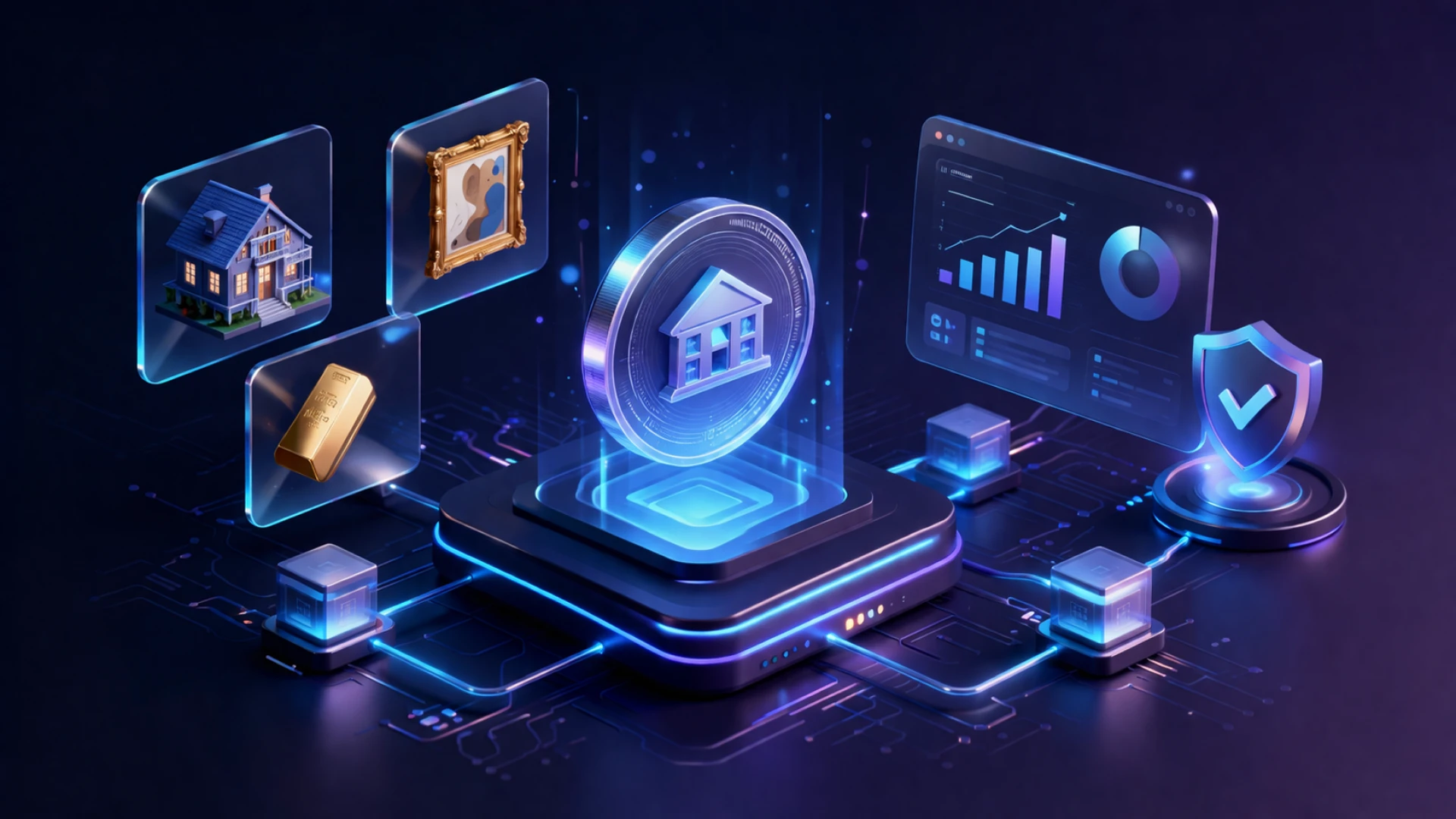
Each token issued on a real estate tokenization platform is backed by a physical property asset. This reduces speculative risk and offers more stability compared to other digital assets.
Most tokenization platforms include verified property documents, valuation reports, ownership proofs, and legal bindings linked to each token. This increases investor confidence and reduces the chances of fraudulent asset representation.
Benefits of Verified Asset Backing
• Reliable long-term investment
• Transparency in asset valuation
• Increased trust in token issuers
• Stronger investor engagement
• Reduced risk of default or manipulation
With more investors preferring regulated and asset-backed investments, real estate tokenization platforms offer unmatched value.
12. Supports Portfolio Diversification for Investors
Diversification is a crucial risk management strategy in investment. However, investing in multiple real estate properties traditionally requires huge capital. Tokenization eliminates this barrier entirely.
Investors can spread their capital across multiple tokenized properties, cities, or asset types such as office buildings, warehouses, rental apartments, and retail spaces. This approach reduces exposure to risk and increases long-term portfolio stability.
Diversification Advantages
• Access to varied real estate categories
• Better control over risk distribution
• Smaller capital commitment
• Global diversification through international assets
• More predictable returns
Tokenized real estate makes diversification effortless, scalable, and more cost effective.
13. Future Proofs Real Estate Businesses for the Digital Economy
Tokenization is not just a technological upgrade. It represents a fundamental transformation in how the world will buy, sell, and trade real estate. As digital asset adoption accelerates, real estate companies that build tokenization platforms today will stay ahead of competitors for many years.
Why Tokenization Future Proofs the Industry
• Adapts property investment to digital age expectations
• Supports integration with future fintech and DeFi ecosystems
• Enables participation in new digital markets
• Positions enterprises as innovators in real estate
• Enhances customer engagement through modern digital tools
Investing in Real Estate Tokenization Platform Development is a strategic decision that aligns with the future of global finance and property management.
Conclusion
Real estate tokenization is ushering in a new era of digital property ownership. By bridging technology, finance, and real estate, it introduces a system that is more liquid, transparent, secure, flexible, and inclusive. Investors, enterprises, and property owners stand to benefit significantly from the advantages offered by tokenization platforms.
From fractional ownership and global accessibility to automated workflows, reduced costs, improved compliance, and enhanced liquidity, the benefits of Real Estate Tokenization Platform Development are shaping the future of the property market. Early adopters of these platforms will not only unlock new revenue models but also gain a competitive edge in the rapidly evolving digital asset landscape.
As the world moves toward a tokenized economy, investing in Real Estate Tokenization Platform Development is not just an opportunity but a forward-thinking strategy that positions real estate businesses for long-term growth and success.



























Sign in to leave a comment.