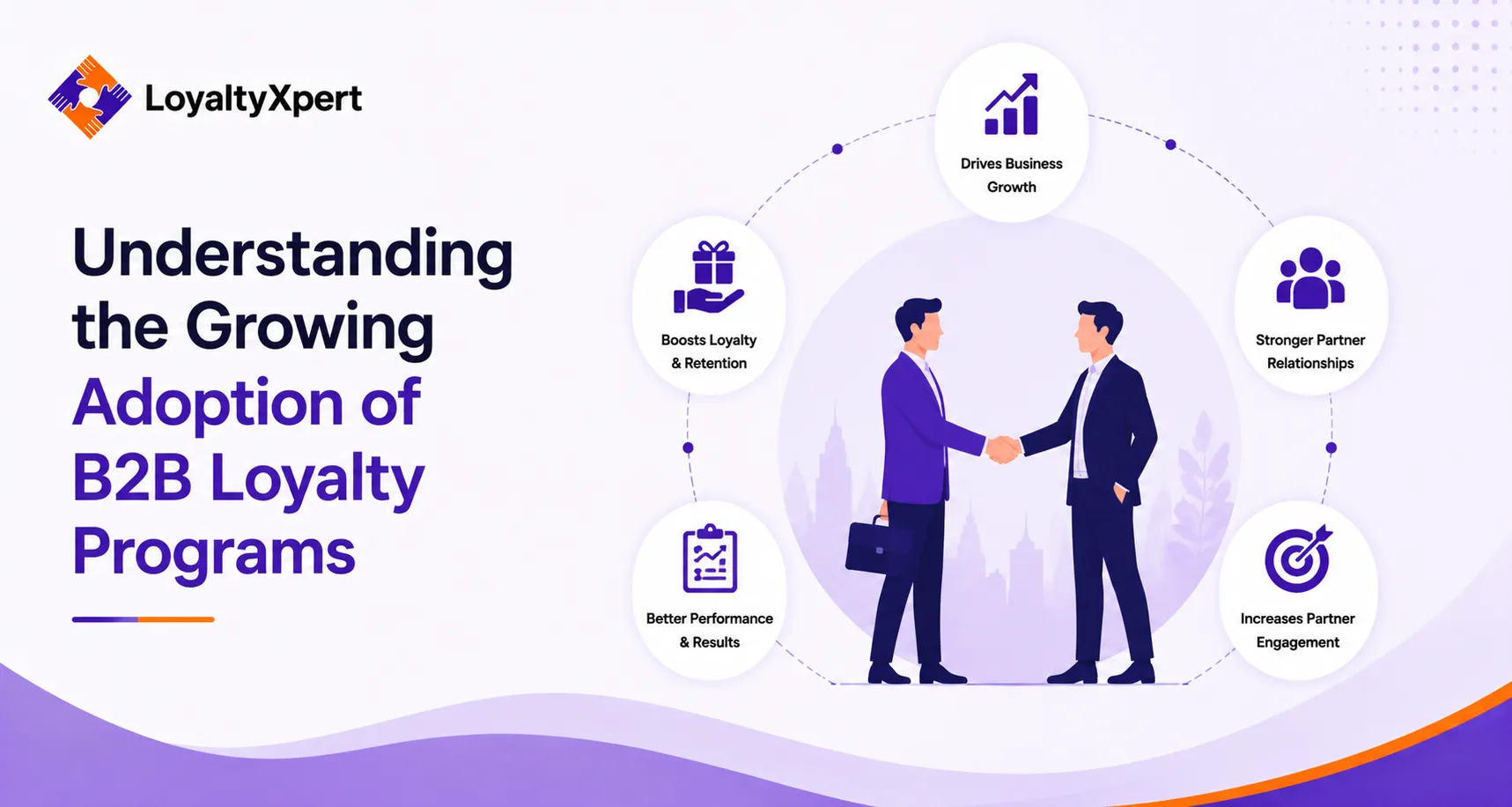

Business growth is often influenced by the strength of relationships within a company's partner ecosystem. Distributors, dealers, resellers, and other channel partners play a significant role in helping organizations expand their reach and maintain market presence. As competition increases across industries, many organizations are turning to b2b loyalty programs as a structured way to strengthen these relationships and encourage ongoing engagement.
Rather than focusing solely on transactional incentives, businesses are exploring loyalty-driven approaches that promote long-term collaboration and participation.
Why Partner Relationships Matter More Than Ever
In many industries, business success depends on the effectiveness of partner networks. These partners often act as a bridge between manufacturers, suppliers, and end customers, making their engagement an important factor in overall performance.
Maintaining strong partner relationships can help organizations:
- Improve market coverage
- Increase participation in business initiatives
- Strengthen communication across the network
- Support long-term growth objectives
As a result, businesses are increasingly investing in programs that encourage sustained engagement rather than short-term activity.
The Purpose of B2B Loyalty Programs
B2B loyalty programs are designed to recognize and reward partners for actions that contribute to business objectives. Unlike traditional sales incentive schemes that may focus on a single outcome, loyalty programs often support a broader range of engagement activities.
These may include:
- Consistent purchasing behavior
- Achievement of performance targets
- Participation in training or learning programs
- Support for promotional activities
- Contribution to strategic business initiatives
The goal is to create a framework where engagement is recognized and encouraged on an ongoing basis.
Moving Beyond Traditional Incentive Structures
Many businesses have historically relied on discounts, rebates, or short-term incentive campaigns to motivate partners. While these methods can generate immediate results, they may not always foster lasting engagement.
Loyalty programs offer a more continuous approach by providing partners with opportunities to participate and earn recognition throughout the year. This helps maintain engagement beyond individual campaigns and creates a stronger connection between partners and the organization.
By encouraging ongoing involvement, businesses can support more stable and predictable partner relationships.
The Role of Digital Platforms
As partner ecosystems grow, managing loyalty initiatives manually becomes increasingly challenging. Modern loyalty platforms help businesses streamline program administration and improve visibility into partner activities.
These systems typically support:
- Activity tracking and reporting
- Reward management and redemption
- Participant communication
- Performance monitoring and analytics
Digital tools allow organizations to manage large-scale programs more efficiently while maintaining consistency across different regions and partner groups.
Data as a Strategic Resource
One of the key benefits of modern loyalty programs is access to engagement data. Businesses can use participation insights to better understand how partners interact with various initiatives and which activities drive the highest levels of engagement.
This information can help organizations:
- Improve future loyalty campaigns
- Refine reward structures
- Identify highly engaged partners
- Make more informed strategic decisions
A data-driven approach helps ensure that loyalty initiatives remain effective and aligned with evolving business goals.
Creating More Connected Partner Networks
B2B loyalty programs are increasingly being used to create stronger connections within partner ecosystems. By providing structured engagement opportunities and transparent reward systems, businesses can foster greater collaboration and trust.
These programs help establish a more consistent relationship between organizations and their partners, supporting both operational efficiency and long-term engagement.
Looking Toward the Future
As business environments continue to evolve, organizations are placing greater emphasis on relationship-driven growth strategies. B2B loyalty programs offer a practical framework for supporting partner engagement, encouraging participation, and strengthening business networks over time.
For many businesses, loyalty initiatives are becoming an important component of broader partner management strategies, helping create more resilient and collaborative ecosystems.
Originally published on LoyaltyXpert
To explore detailed strategies, implementation approaches, and practical insights,
Read the full guide on B2B loyalty programs on LoyaltyXpert.

























Sign in to leave a comment.