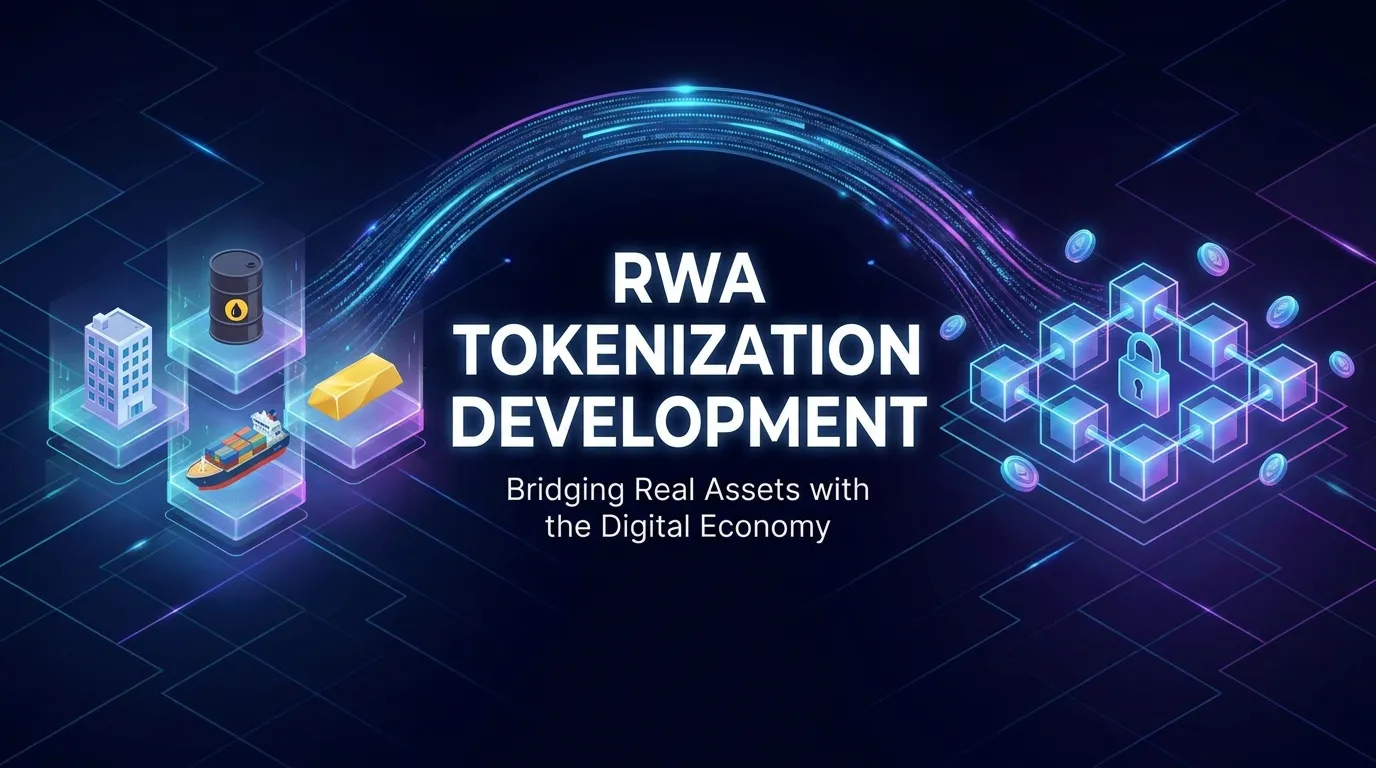

Real-world asset tokenization, often called RWA tokenization, is one of the most important developments in the blockchain industry because it connects digital finance with assets that exist outside the crypto world. Instead of limiting blockchain use to cryptocurrencies, NFTs, and decentralized applications, RWA tokenization allows traditional assets such as real estate, bonds, gold, private credit, invoices, commodities, and even infrastructure projects to be represented as digital tokens on a blockchain. These tokens can reflect ownership, revenue rights, debt claims, or access to an underlying asset, depending on how the project is legally and technically structured.
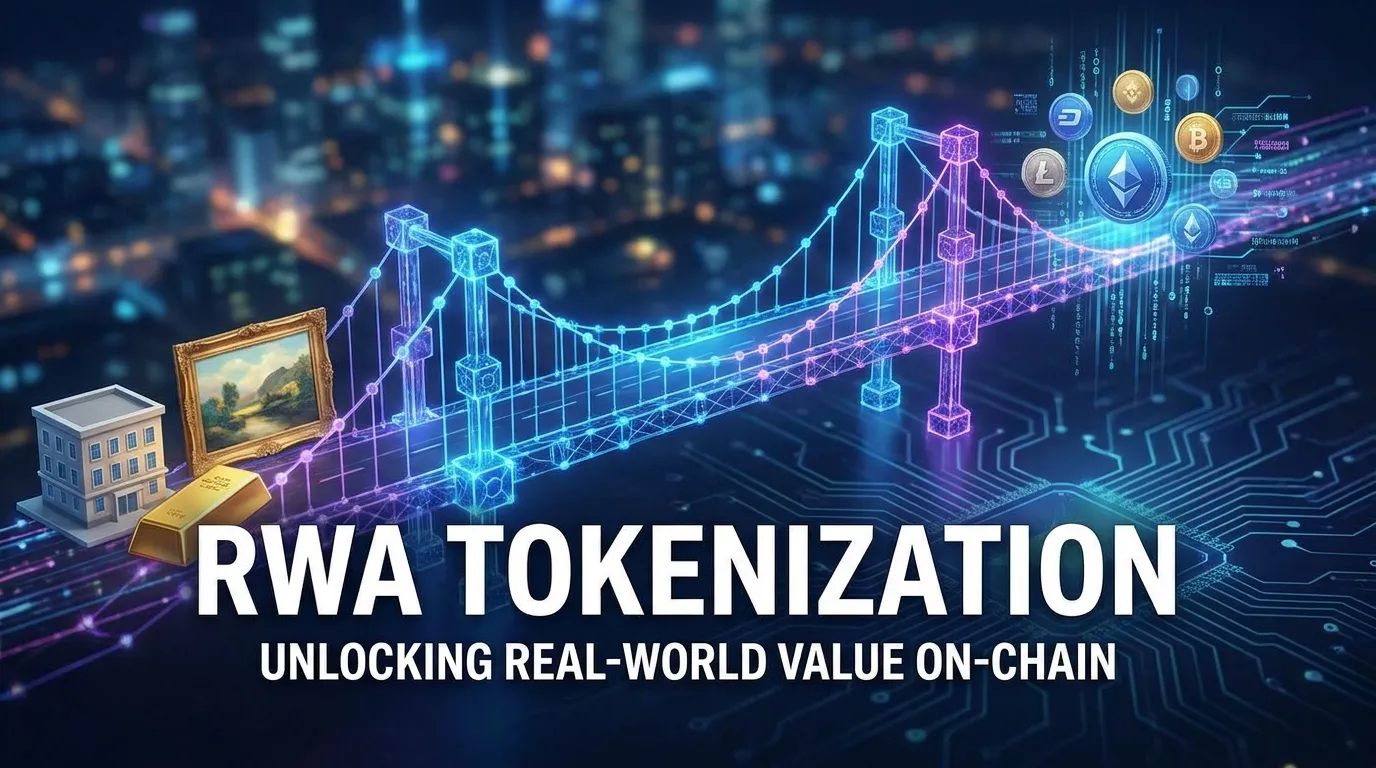
The idea is simple at the surface: take something valuable in the real world and create a blockchain-based digital representation of it. However, the real power lies in what this representation makes possible. A tokenized asset can be divided into smaller units, transferred more efficiently, programmed with rules, tracked transparently, and integrated into digital financial systems. This is why banks, asset managers, fintech companies, real estate firms, and blockchain startups are paying close attention to the RWA market.
The momentum is no longer theoretical. McKinsey has estimated that tokenized market capitalization could reach around $2 trillion by 2030, excluding cryptocurrencies and stablecoins, with growth driven by assets such as mutual funds, bonds, loans, securitization products, and alternative funds. Deloitte has also projected that tokenized real estate alone could grow from less than $0.3 trillion in 2024 to $4 trillion by 2035, showing how large the opportunity may become when blockchain infrastructure meets traditionally illiquid assets.
Understanding RWA Tokenization and the Role of an RWA Tokenization Company
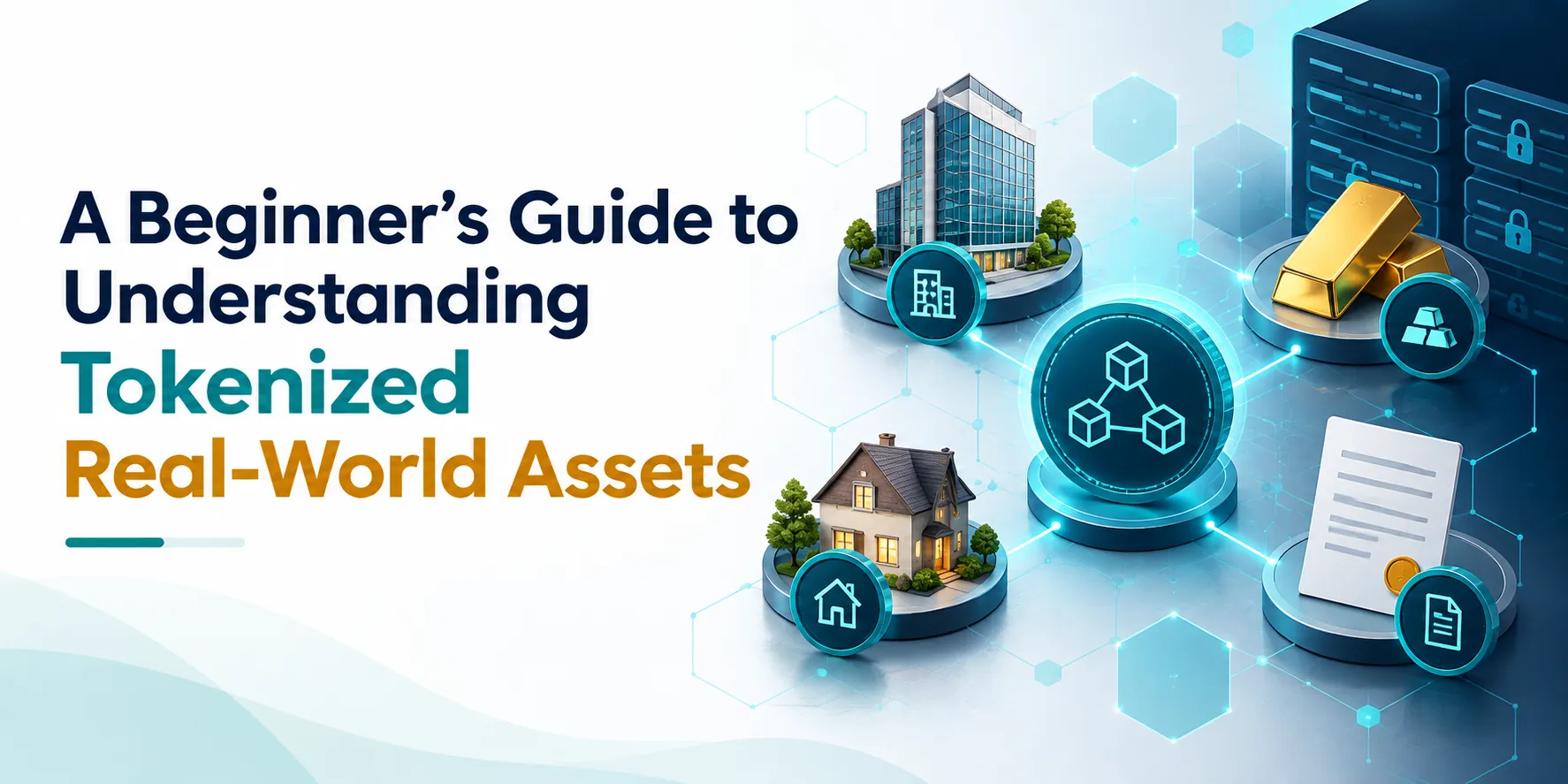
RWA Tokenization refers to the process of converting the economic rights of a real-world asset into blockchain-based tokens. These tokens do not magically move the physical asset itself onto the blockchain. Instead, they represent a legally defined claim, ownership interest, revenue share, or entitlement connected to that asset. For beginners, it is helpful to think of tokenization as a digital wrapper around a real-world asset, where the blockchain records who owns what, when transfers happen, and what rules govern the token.
An RWA Tokenization Company helps businesses design and launch this type of system. Its role usually goes far beyond writing smart contracts. A serious tokenization project needs asset evaluation, legal structuring, compliance checks, investor onboarding, token design, wallet integration, custody planning, blockchain selection, secondary transfer rules, and ongoing asset reporting. Without these layers, a token may exist technically but fail commercially or legally.
For example, a property owner who wants to tokenize a commercial building must first determine what token holders will actually receive. Will they own fractional equity in a special purpose vehicle? Will they receive rental income? Will the token represent debt secured by the property? Each option has different legal, tax, and regulatory implications. The blockchain component is important, but it is only one part of the larger structure.
How RWA Tokenization Works
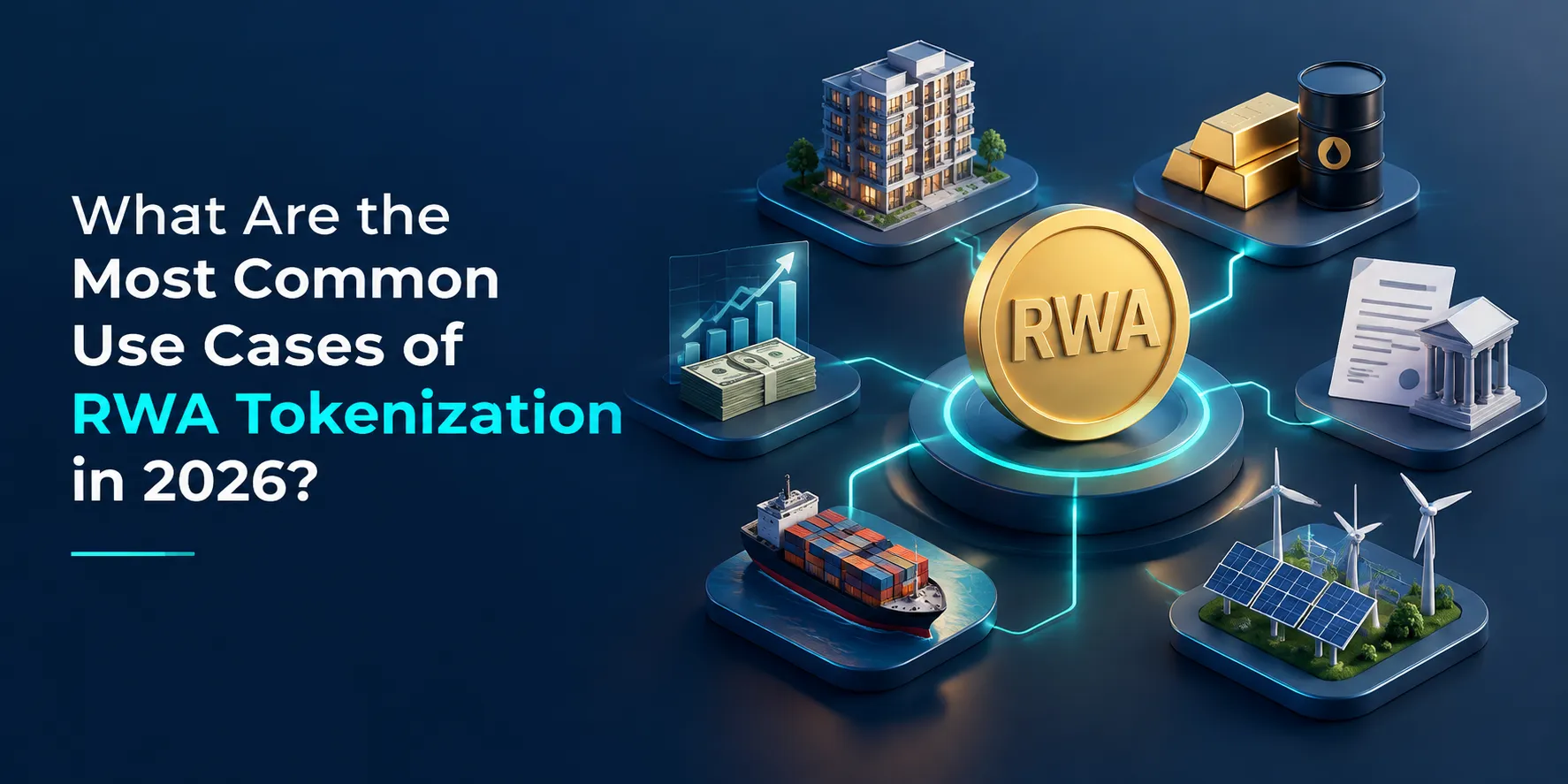
The process begins with asset selection. Not every real-world asset is suitable for tokenization. The best candidates usually have clear ownership records, reliable valuation methods, predictable income streams, and strong investor demand. Real estate, government bonds, private credit, commodities, carbon credits, and revenue-generating business assets are common examples because they already have established markets and valuation practices.
Once the asset is selected, the next step is legal structuring. This is one of the most important stages because token holders need a clear relationship to the underlying asset. In many cases, the asset is placed into a legal entity such as a special purpose vehicle, and tokens represent rights connected to that entity. If the token represents a security, it must comply with applicable securities laws. The U.S. SEC has described tokenized securities as securities represented by crypto assets where ownership records are maintained partly or fully on crypto networks, which reinforces the point that tokenization does not remove traditional legal obligations.
After the legal model is defined, developers create smart contracts. These smart contracts control token issuance, transfers, ownership records, redemption rules, dividend or yield distribution, and compliance restrictions. In regulated markets, token transfers may be limited to verified wallets that have passed Know Your Customer and Anti-Money Laundering checks. This prevents tokens from moving freely to unapproved participants and helps issuers stay compliant.
The asset must also be verified and monitored. If a token represents gold, investors need confidence that the gold actually exists and is properly stored. If a token represents real estate income, investors need access to rental performance, occupancy data, expenses, and valuation updates. This is where audits, custodians, trustees, oracles, and reporting dashboards become important. Tokenization improves transparency, but transparency depends on accurate data entering the system.
Finally, tokens are distributed to investors through a compliant platform. Investors may buy tokens using fiat currency, stablecoins, or other approved payment methods. Once issued, the tokens can potentially be traded on a regulated secondary marketplace, used as collateral, redeemed according to project rules, or held for income and appreciation.
Why RWA Tokenization Matters
The biggest promise of RWA tokenization is improved access. Many valuable assets are difficult for ordinary investors to enter because they require high minimum investments, complex paperwork, long settlement times, or institutional relationships. A commercial property, private credit fund, or infrastructure asset may be attractive, but participation is often limited to wealthy investors or institutions. Tokenization can divide such assets into smaller units, making participation more flexible.
Liquidity is another major benefit. Traditional assets such as real estate and private credit can be difficult to sell quickly. Tokenization can create a more efficient transfer mechanism, especially when tokens are listed on compliant marketplaces. This does not mean every tokenized asset automatically becomes liquid. Recent academic research has cautioned that tokenization and liquidity are separate outcomes, and some RWA tokens may still have limited trading activity or concentrated ownership. However, tokenization can reduce friction and create the infrastructure needed for better liquidity over time.
Efficiency is also a major advantage. Traditional financial markets rely on many intermediaries for recordkeeping, settlement, reconciliation, and compliance. Blockchain can create a shared record that multiple parties can access, reducing duplication and operational delays. The Bank for International Settlements has noted that tokenization can support use cases such as delivery versus payment, where the transfer of an asset and payment can occur together, while also emphasizing that legal and governance challenges must be addressed.
Programmability makes tokenized assets especially powerful. Smart contracts can automate distributions, enforce transfer restrictions, calculate investor rights, or trigger settlement processes. For example, if a tokenized private credit product pays monthly yield, smart contracts can help automate payment distribution to eligible token holders. In a real estate project, rental income could be distributed according to ownership percentages after expenses are accounted for.
Transparency is another advantage, particularly when compared with opaque private markets. Blockchain records can show token supply, wallet movements, transfer history, and sometimes asset performance data. This does not replace due diligence, but it can improve investor confidence when paired with audits and trusted reporting.
Real-World Examples of RWA Tokenization
One of the best-known institutional examples is BlackRock’s USD Institutional Digital Liquidity Fund, commonly known as BUIDL. Launched in March 2024, it was BlackRock’s first tokenized fund issued on a public blockchain, with Securitize serving as the transfer agent and tokenization platform. In 2025, Securitize announced that BUIDL had surpassed $1 billion in assets under management, showing that tokenized funds had moved beyond small experiments and into serious institutional adoption.
Another major example comes from market infrastructure. In July 2026, DTCC announced that it had successfully converted DTC-held assets into tokens and used them in real production trades, describing the event as a significant tokenization milestone involving multiple use cases, asset classes, and participants. This matters because DTCC is a core part of U.S. financial market infrastructure. When organizations at that level explore tokenization, it signals that the technology is being evaluated not only by crypto-native firms but also by traditional financial institutions.
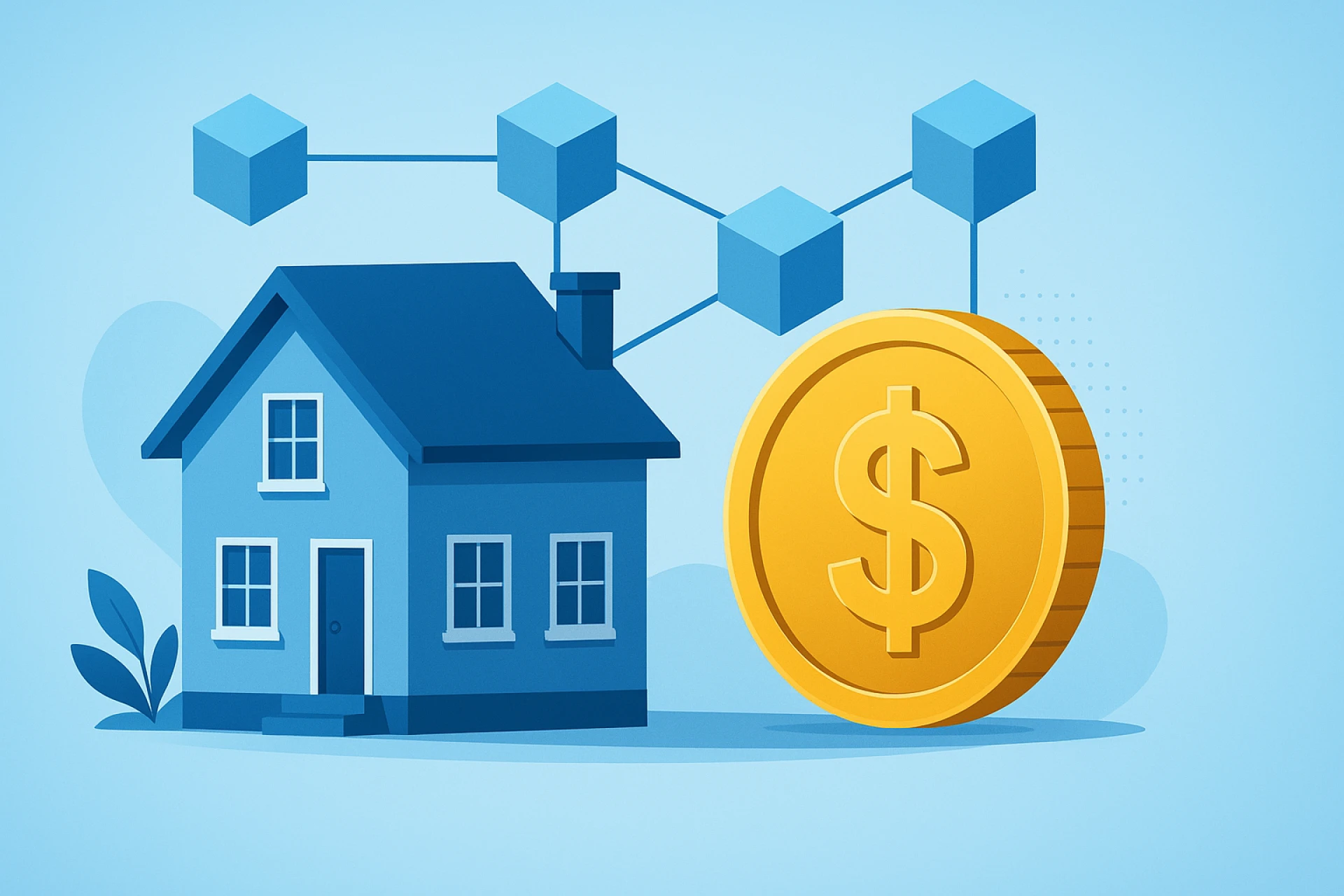
Real estate is another strong use case. Tokenized real estate can allow investors to participate in property income or appreciation without buying an entire building. A developer could tokenize equity in a commercial property, while another platform might tokenize real estate debt, giving investors exposure to mortgage-backed or rental-income-backed products. Deloitte’s projection of $4 trillion in tokenized real estate by 2035 suggests that property markets may become one of the largest areas of RWA adoption.
Tokenized commodities are also gaining attention. Gold-backed tokens, for example, may represent claims on physical gold stored by a custodian. These tokens can be transferred more easily than physical bullion while still giving holders exposure to the underlying commodity. Similarly, carbon credits, agricultural products, energy assets, and supply-chain invoices can be tokenized if there is reliable verification and a clear legal claim.
Key Benefits for Businesses and Investors
For businesses, RWA tokenization can open new fundraising channels. Instead of relying only on banks, private placements, or traditional investment structures, asset owners can raise capital from a broader pool of eligible investors. This is especially useful for real estate developers, private credit managers, infrastructure companies, and asset-backed lending platforms.
For investors, tokenization can provide access to assets that were previously difficult to reach. A beginner investor may not be able to buy an office building, but they may be able to buy a regulated token representing a small share of a real estate income product. Institutional investors may use tokenized assets for collateral, liquidity management, or portfolio diversification.
The most important benefits include:
- Fractional ownership of high-value assets
- Faster settlement and transfer processes
- Greater transparency through blockchain records
- Automated compliance and investor checks
- Potential secondary-market liquidity
- Programmable distributions and reporting
- Broader access to alternative investments
However, these benefits depend on execution. Poor legal design, weak custody, unclear redemption rights, low investor demand, or unreliable asset reporting can undermine a tokenization project. Tokenization improves infrastructure, but it does not remove the need for professional asset management.
Challenges and Risks Beginners Should Know
RWA tokenization also has risks. The first is regulation. Many tokenized assets may qualify as securities, meaning they must follow securities laws related to registration, disclosure, investor eligibility, transfer restrictions, and reporting. A project that ignores regulation may face enforcement issues or lose investor trust.
The second challenge is custody. If a token is backed by a real-world asset, someone must safely hold, manage, or verify that asset. If the custodian fails, the token’s value may be affected. This is especially important for commodities, real estate, and financial instruments.
The third risk is liquidity illusion. Some projects market tokenization as if it guarantees instant liquidity. In reality, liquidity requires active buyers, compliant marketplaces, reliable pricing, and market confidence. A token may be technically transferable but still hard to sell.
The fourth concern is technology risk. Smart contracts can contain bugs, wallets can be compromised, bridges can fail, and blockchain networks can experience congestion or security issues. Professional audits and secure architecture are essential.
Finally, investors must understand the actual rights attached to a token. Does the token provide ownership, revenue share, debt repayment, redemption rights, voting rights, or only exposure to price movement? The answer should be clearly documented before anyone invests.
The Future of RWA Tokenization
The future of RWA tokenization will likely be shaped by institutional adoption, regulatory clarity, better custody models, and interoperability between traditional finance and blockchain networks. The early phase of the market was dominated by experimentation, but the current phase is moving toward regulated products, tokenized funds, tokenized treasuries, private credit, and real estate-backed tokens.
Over time, tokenized assets may become a normal part of financial infrastructure. Investors may hold tokenized bonds, funds, property shares, and commodities in digital wallets that are connected to compliant marketplaces. Businesses may raise capital through tokenized structures that settle faster and reach broader investor groups. Banks and asset managers may use tokenized collateral to improve liquidity management.
Still, the industry must solve important problems before mass adoption. Legal enforceability, investor protection, accurate asset verification, secondary-market depth, cybersecurity, and cross-chain compatibility will determine which projects succeed. The winners will not be the companies that simply create tokens, but those that combine blockchain technology with strong legal frameworks, real asset value, and practical investor utility.
Conclusion
RWA tokenization is transforming how real-world assets can be owned, transferred, financed, and managed by bringing traditional assets into blockchain-powered digital markets. For beginners, the concept is best understood as a bridge between physical or financial assets and programmable digital ownership. While the opportunity is significant, successful implementation requires compliance, asset verification, smart contract security, investor onboarding, and long-term platform support. Businesses planning to enter this space should work with experienced development partners, and Blockchain App Factory provides best services for companies looking to build secure, scalable, and market-ready RWA tokenization platforms.
FAQs
1. What is RWA tokenization in simple terms?
RWA tokenization is the process of converting rights connected to a real-world asset, such as property, gold, bonds, or invoices, into digital tokens on a blockchain. These tokens can represent ownership, income rights, debt claims, or other legally defined benefits.
2. What assets can be tokenized?
Common assets that can be tokenized include real estate, government bonds, private credit, commodities, carbon credits, art, invoices, funds, and infrastructure assets. The best assets for tokenization usually have clear ownership, reliable valuation, and strong investor demand.
3. Is RWA tokenization legal?
RWA tokenization can be legal when structured properly, but many tokenized assets may fall under securities, commodities, or financial regulations. Projects must follow relevant laws related to investor protection, disclosures, custody, taxation, and transfer restrictions.
4. How do investors make money from tokenized real-world assets?
Investors may earn returns through rental income, interest payments, dividends, asset appreciation, revenue sharing, or redemption mechanisms, depending on how the token is structured. The rights must be clearly explained in the offering documents.
5. Does tokenization guarantee liquidity?
No. Tokenization can make transfers easier and create the foundation for secondary markets, but liquidity depends on buyer demand, compliant trading venues, pricing transparency, and investor confidence. A tokenized asset can still be illiquid if there is not enough market activity.


















Sign in to leave a comment.