


Why Indexing MattersIndexing is among the most effective ways to tune PostgreSQL performance. When it comes to PostgreSQL indexing, the index type you c...
The core issueWhen a MySQL problem strikes, the speed of your team's reaction can determine whether the business stays operational. Many organizations are sl...

OverviewKeeping PostgreSQL highly available and its data protected matters for modern applications. The blog presents streaming replication with failover as ...

PostgreSQL 19 REPACK is a native command that unifies VACUUM FULL and CLUSTER and adds a CONCURRENTLY option to cut downtime. After a large de...

VPN troubleshooting is especially hard when problems are intermittent - a connection can look completely fine on the surface while something is failing under...

What Is a MySQL Deadlock?A MySQL deadlock occurs when two or more transactions are each holding a lock that the other one is waiting on, creating ...

OverviewTiDB Out of Memory errors take two distinct forms, and identifying which one occurred is the first troubleshooting step. A restart is the quick fix, ...

Deciding between hiring an in-house database administrator or working with MySQL consulting services isn't about finding one universally correct answer. In t...
Modern software gets updated all the time, and rolling out changes without properly separated environments can disrupt live users, expose sensitive data, or interrupt important business operations. Software deployment environments solve this by giving developers, testers, and business stakeholders dedicated stages to validate an application before customers see it.
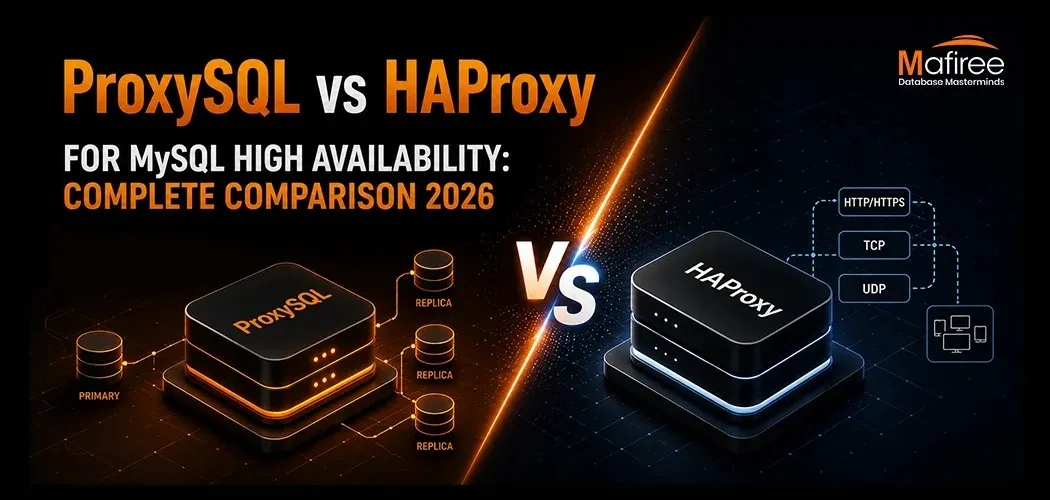
For teams managing MySQL infrastructure, ProxySQL vs HAProxy is a frequent decision point. Both are open-source tools that strengthen database reliabili...

Internal teams can resolve most MySQL slowdowns on their own - fixing a missing index or cleaning up a bloated table. But a smaller category of problems resi...

An AWS DevOps Agent is a smart automation layer built on top of AWS that continuously observes, evaluates, and manages cloud infrastructure and applicat...
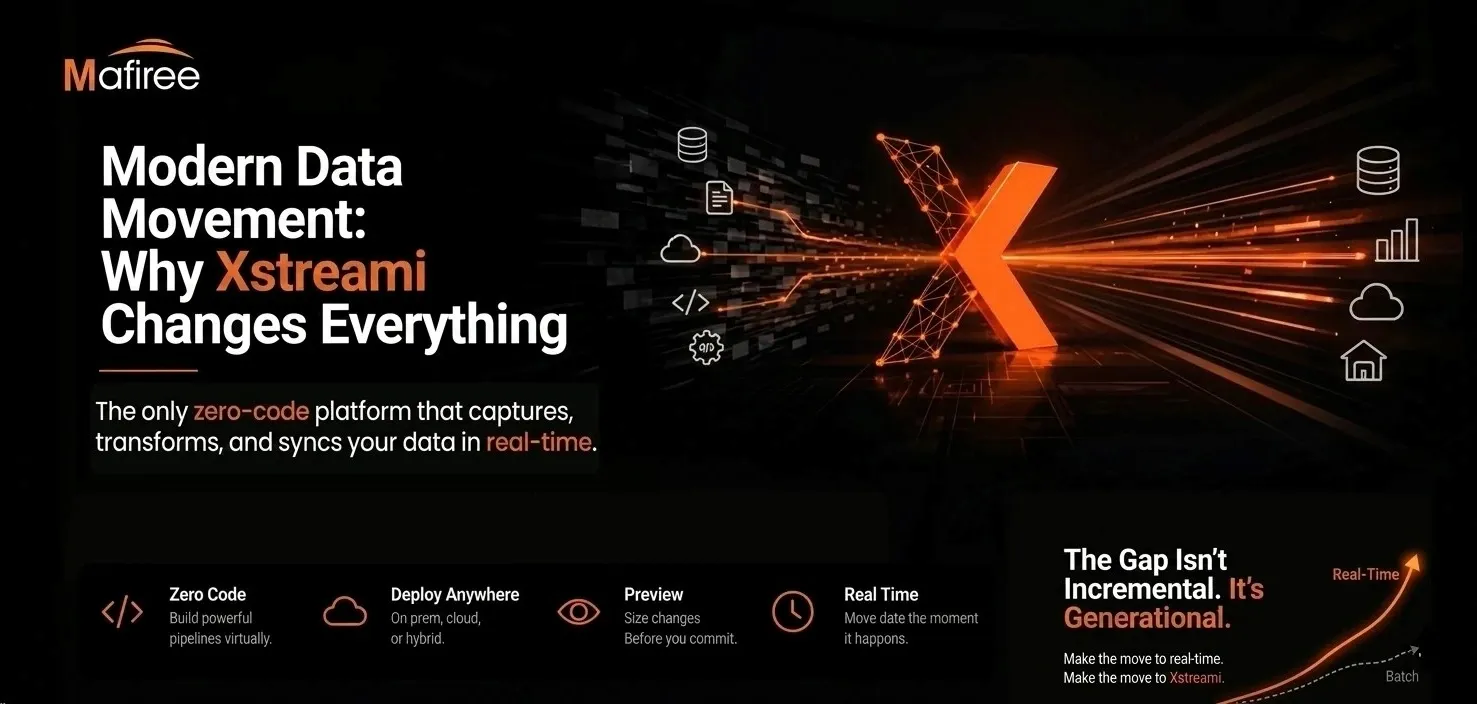
From Storing Data to Real-Time Data MovementFor years, data companies competed on storage - the biggest warehouse, the deepest lake, whoever held the most da...
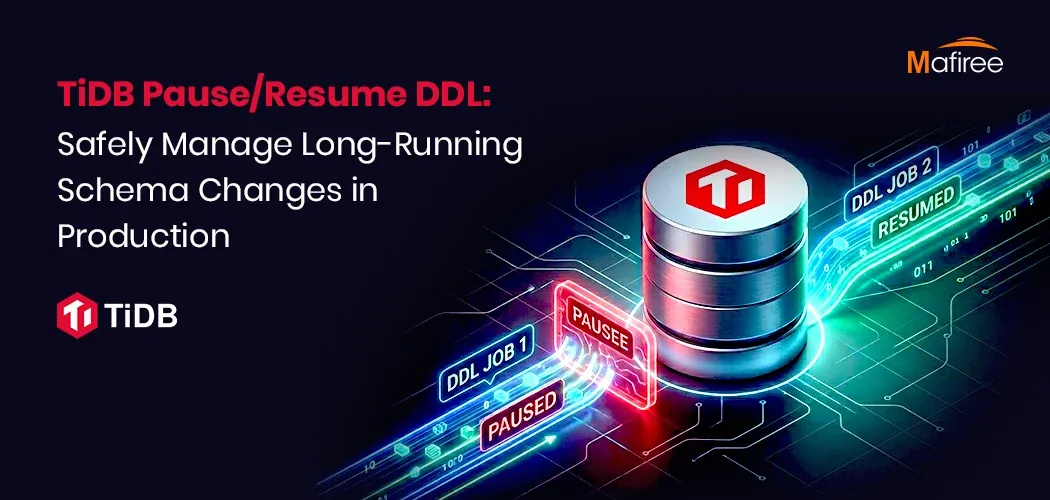
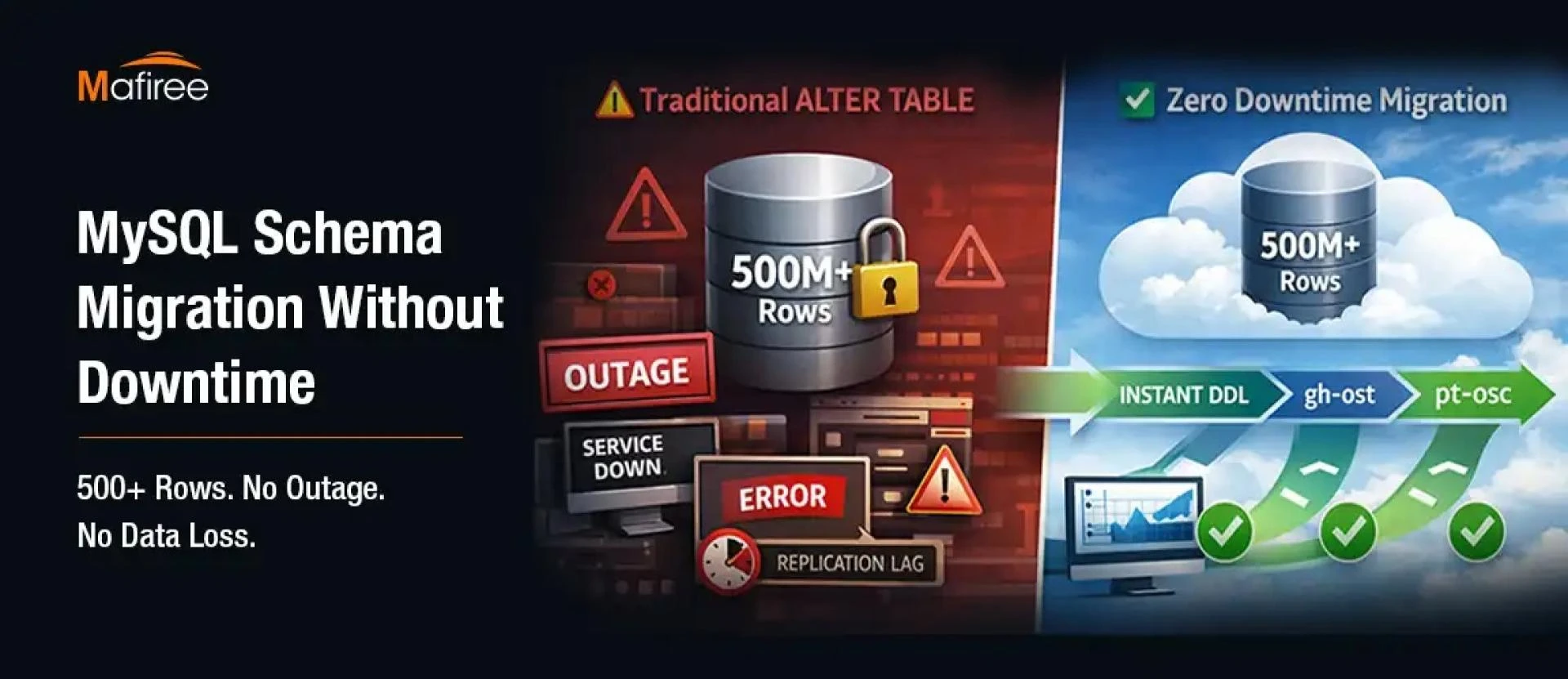
Schema changes on production databases carry real risk, particularly on large tables that see heavy traffic. Consider a typical situation: an ALTER TABL...

Every business today runs on data - generated constantly through orders, app activity, payments, and browsing. The challenge was never creating that data, but moving it efficiently across the many databases, applications, and cloud tools where it ends up.

MySQL performance issues rarely happen overnight. Queries that used to execute in milliseconds gradually slow down, CPU usage quietly climbs, and replication lag builds up unnoticed. By the time alerts fire, the problem has usually been festering for weeks. Spotting the early warning signs is what prevents a minor issue from turning into a full outage.

Today's businesses aren't short on data — they're overwhelmed by it. Data flows from every application, transaction, and user interaction, but it rarely flows together. These isolated streams create a fragmentation problem that ETL is designed to fix.
Picking the wrong database is an expensive mistake that shows up as slow dashboards, rising infrastructure costs, or a forced re-architecture. According to Mafiree's database engineers, the ClickHouse vs MongoDB question comes up frequently in production decisions, and the answer is almost never a straightforward choice of one over the other. ClickHouse and MongoDB are built on fundamentally different philosophies — one optimises for reading and aggregating vast amounts of data at extreme speed,

Many organizations unknowingly build up "access debt" — tables originally created for one team gradually get shared across departments. Over time, support staff end up viewing salary fields, junior developers can query national IDs, and reporting users gain visibility into financial records they should never see. This isn't just a security gap — it's a compliance liability. Regulations like GDPR, CCPA, and HIPAA require that users only access data their role genuinely needs.

MongoDB's biggest advantage over traditional databases is that it lets you design your data model around how your application behaves, not the other way around. This "application-first" mindset is what helps modern systems handle large amounts of traffic without falling apart.