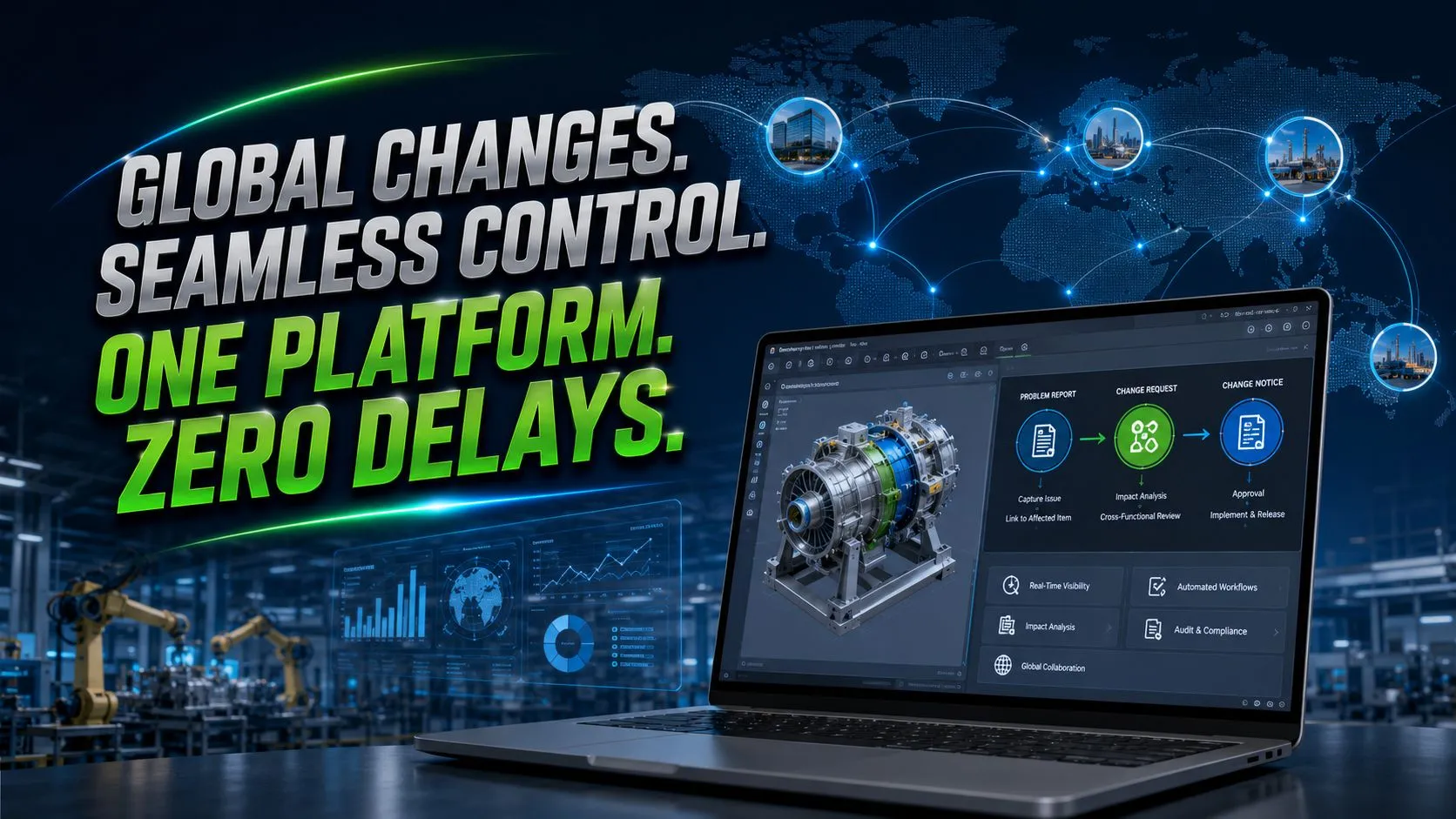

Managing engineering changes across a single manufacturing facility is challenging enough. Scale those operations globally across multiple time zones, distinct supply chains, and varying international regulatory standards and a minor documentation error can quickly escalate into a catastrophic production bottleneck. When a design modification occurs, it must propagate perfectly through mechanical, electrical, and software domains without disrupting active shop-floor operations.
Traditional tracking mechanisms like disjointed spreadsheets, local file shares, and disconnected email threads fail under this immense pressure. To maintain velocity and prevent expensive scrap or rework, enterprise manufacturing organizations require an enterprise-grade digital thread. Achieving this level of structural control relies on deploying a centralized, highly automated system like windchill PLM software capable of unifying disparate teams under a single data governance model.
Breaking Down Global Bottlenecks with windchill PLM software
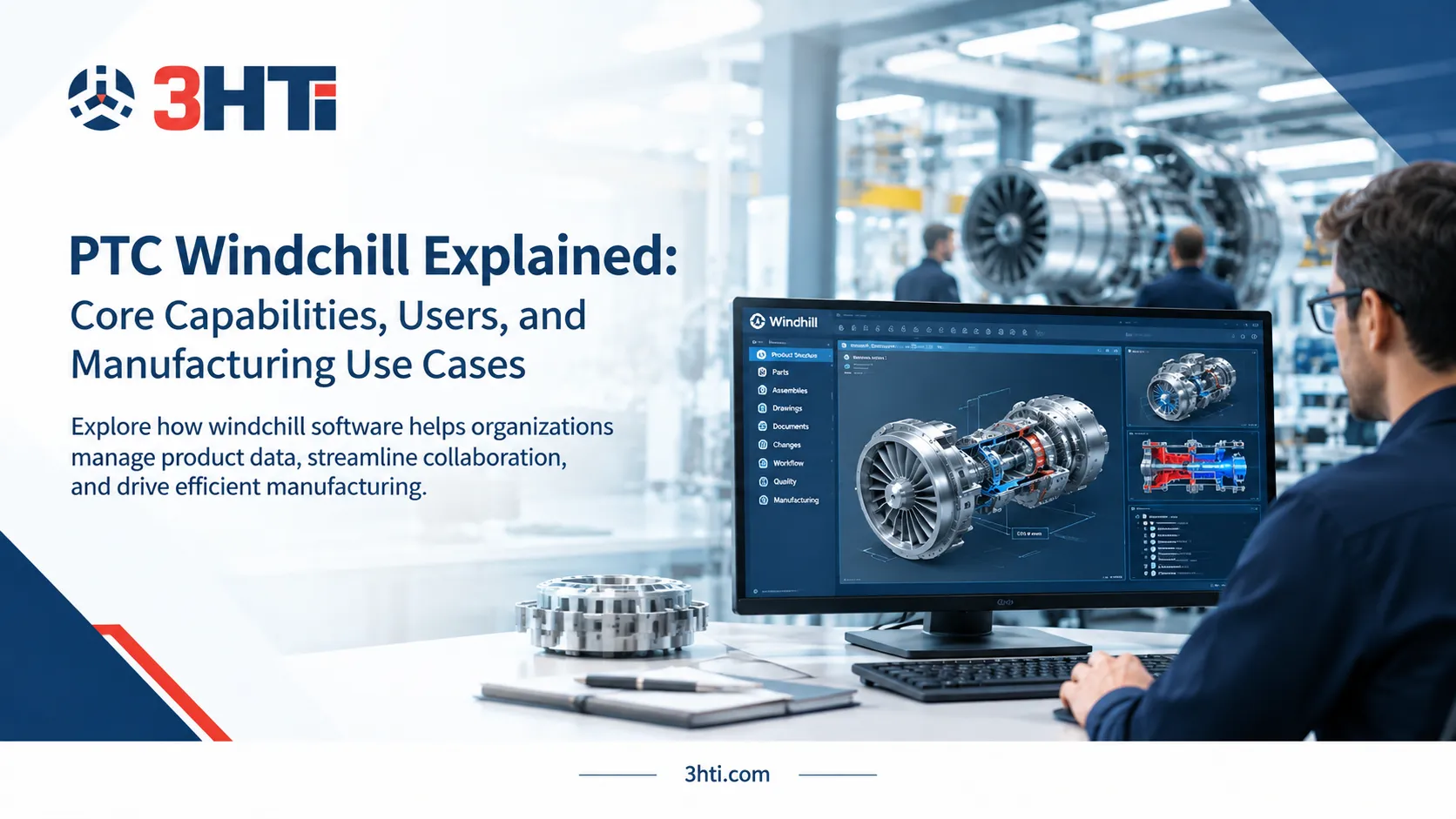
The path to operational agility begins by dismantling localized data silos. Utilizing windchill PLM software allows organizations to transform their change management processes from a reactive hurdle into a streamlined, proactive workflow. The platform acts as a singular source of truth, ensuring that every engineering change order (ECO) is directly tied to the exact bill of materials (BOM), CAD configurations, and supplier data it affects.
When change processes are decoupled from physical files or localized databases, global collaboration becomes a reality. By utilizing windchill PLM software, a design change initiated by a systems engineer in Munich is instantly visible to a procurement specialist in Chicago and a plant manager in Shanghai. This instant visibility prevents the classic manufacturing mistake of producing components based on outdated revisions.
The Anatomy of an Automated Change Loop
A mature engineering change cycle is inherently complex, demanding precise stage-gate reviews to preserve quality. Advanced lifecycle tools like windchill PLM software automate this progression by converting manual checklists into structured, electronic workflows that enforce corporate governance automatically. Within a comprehensive deployment of windchill PLM software, this loop is systematically divided into three interconnected, traceable phases:
- Problem Reports (PR): Any authorized stakeholder including field service technicians or quality assurance inspectors can flag a component anomaly. The platform captures this feedback electronically, ensuring that the initial field observation is directly associated with the precise part number and revision level in question.
- Change Requests (CR): Once a problem report is validated, the system escalates it into a formal Change Request. During this phase, cross-functional teams conduct digital impact analyses to calculate the financial, logistical, and scheduling impacts of the proposed modification.
- Change Notices (CN): After executive approval, the system generates an explicit Change Notice. This actionable package distributes specific tasks to downstream teams, updates the master enterprise architecture, and releases the revised configuration to production floors automatically.
Overcoming Deployment Hurdles with Expert PLM implementation services
Migrating an enterprise from fragmented legacy change processes to an automated environment requires more than simply installing software. It calls for deep alignment between existing operational workflows and software capabilities. If an organization configures its new automated loop to mimic old, broken manual habits, the initiative will fail to deliver the expected return on investment.
To avoid these common structural pitfalls, technology leaders routinely partner with specialized integration experts. Engaging certified PLM implementation services ensures that your system architecture is optimized around industry best practices from day one. These experts help map complex organizational hierarchies, establish secure role-based access controls, and build out automated approval matrices that reduce cycle times from weeks to hours.
Furthermore, a well-executed deployment bridges the gap between engineering data and broader business tools. For companies seeking to achieve this level of operational cohesion, leveraging an authorized technical provider can streamline the transition. Transitioning to an enterprise-grade ecosystem via windchill PLM software enables teams to integrate their core engineering data models directly into active Enterprise Resource Planning (ERP) and Manufacturing Execution Systems (MES).
Ensuring Long-Term Stability via PLM managed services
After successful deployment, an enterprise platform requires continuous technical refinement to keep pace with changing business needs. As supply chains expand, regulatory policies shift, or internal development teams adapt, the digital infrastructure must evolve accordingly. Managing these routine system updates, performance optimizations, and user training cycles internally can overwhelm internal IT departments.
To sustain maximum uptime and maintain data integrity, forward-thinking organizations utilize dedicated PLM managed services. Outsourcing routine maintenance, system monitoring, and infrastructure patch management to dedicated professionals keeps internal engineering teams focused on core product innovation. This proactive approach ensures that your global change management workflows run smoothly, safely, and without unexpected operational interruptions.
Conclusion
Streamlining global engineering change management requires a deliberate shift from localized file tracking to automated, enterprise-wide lifecycle orchestration. Implementing windchill PLM software provides the foundation needed to coordinate multi-site operations, automate repetitive workflows, and enforce strict regulatory compliance. By combining this robust software platform with professional implementation strategy and proactive long-term maintenance, manufacturers can drastically lower production liabilities, reduce technical debt, and deliver innovative products to market ahead of the competition.
Frequently Asked Questions
How does windchill PLM software accelerate the engineering change process?
windchill PLM software replaces slow, manual routing with automated digital workflows, instantly distributing change notices to global stakeholders and executing real-time data adjustments across all associated bills of materials.
What is the primary role of professional PLM implementation services?
Professional PLM implementation services evaluate your existing operational workflows, align software configurations with industry best practices, configure secure access controls, and integrate engineering databases with existing ERP networks.
Why should manufacturing enterprises consider utilizing PLM managed services?
Deploying PLM managed services allows businesses to offload software updates, performance optimization, and user support to dedicated experts, ensuring maximum system performance while allowing internal IT teams to focus on strategic growth.
Can windchill PLM software manage regulatory compliance during design updates?
Yes, windchill PLM software automatically captures an immutable, time-stamped history of every approval, modification, and electronic signature, creating audit-ready compliance trails that satisfy strict international quality benchmarks.
How does real-time impact analysis prevent manufacturing scrap and rework?
Real-time impact analysis maps every system dependency connected to an altered component, warning engineering teams of downstream conflicts across assembly lines, supplier inventories, and procurement orders before production begins.
What distinguishes a Problem Report from a Change Request in PLM?
A Problem Report documents an observed defect or performance issue, whereas a Change Request analyzes the technical feasibility, financial cost, and operational timeline required to implement a formal engineering fix.
How does the system coordinate changes across global, multi-site engineering groups?
By maintaining a centralized database, the software ensures that design updates made by one regional team are instantly updated and visible across all global facilities, eliminating version confusion.
























Sign in to leave a comment.