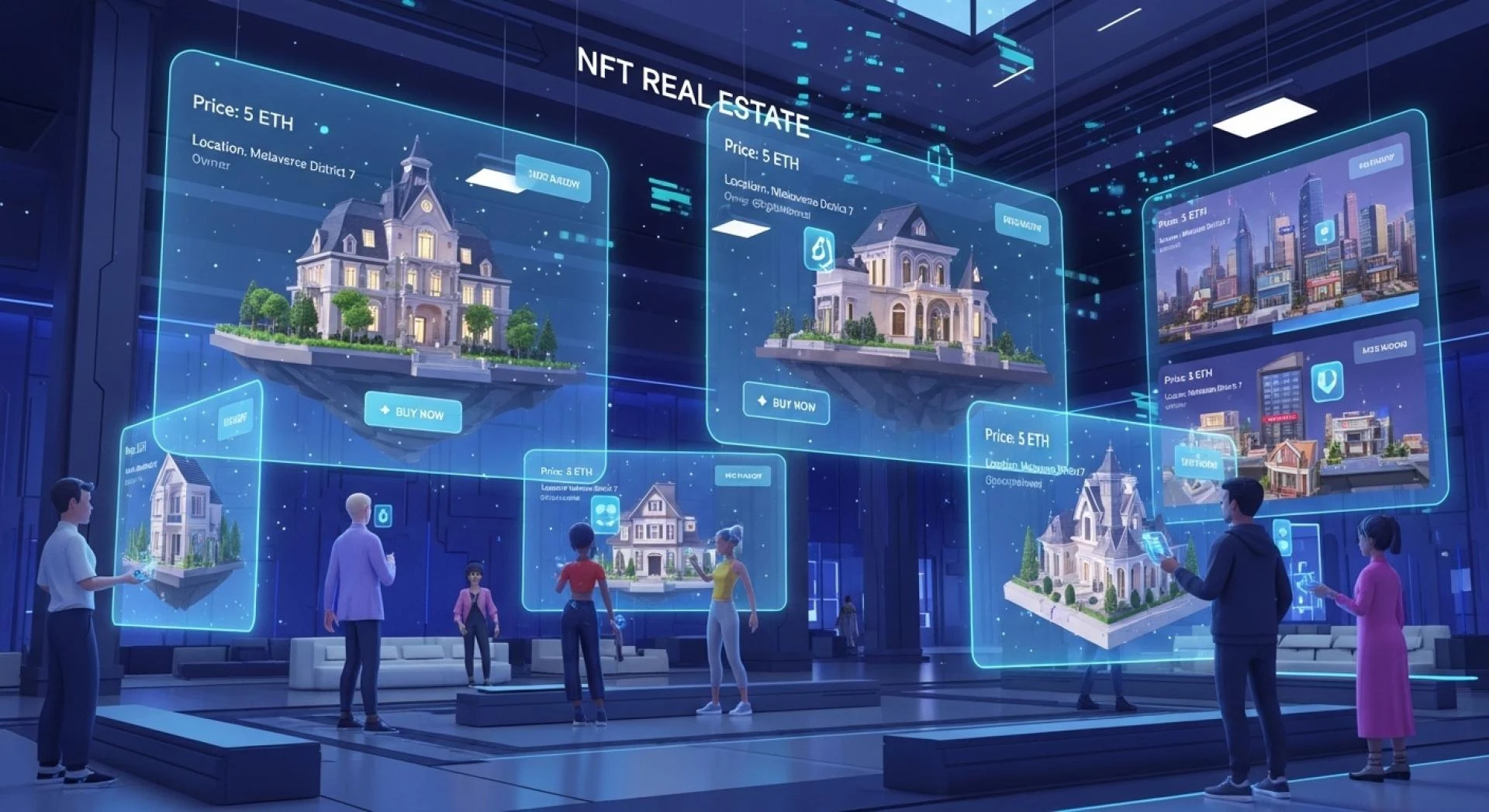

How to Build a Real Estate NFT Marketplace Platform: A Complete Guide for 2026
The convergence of blockchain technology and property investment is reshaping how real estate assets are owned, traded, and managed across global markets. Tokenization has opened new pathways for fractional ownership, faster transactions, and greater transparency, addressing long-standing inefficiencies in traditional real estate systems. As digital ownership models mature, NFT-based platforms are emerging as structured environments where real estate assets can be represented, exchanged, and secured on decentralized networks. This guide explains how to build a real estate NFT marketplace platform in 2026, covering core concepts, functional requirements, development steps, regulatory considerations, and strategic decisions involved in working with an experienced nft real estate marketplace development company.
What Is an NFT Marketplace?
An NFT marketplace serves as the foundational infrastructure that enables the creation, exchange, and verification of non-fungible tokens across blockchain networks. In the context of real estate, this type of marketplace goes beyond digital collectibles and becomes a transactional environment for high-value, asset-backed tokens. Understanding how NFT marketplaces operate is critical for businesses aiming to create platforms that support property-backed assets, ensure transactional security, and comply with ownership verification requirements. A clear grasp of marketplace mechanics allows developers and stakeholders to align platform capabilities with real estate-specific needs.
- Core platform functionality
NFT marketplaces provide infrastructure for token creation, wallet integration, and transaction execution. Smart contracts automate ownership transfers while ensuring that asset data remains tamper-resistant and verifiable on the blockchain. - Role of decentralization
Decentralized architecture reduces dependency on intermediaries by enabling peer-to-peer transactions. This structure increases transparency and minimizes settlement delays commonly seen in conventional digital platforms. - Marketplace models
Platforms may operate as open marketplaces, curated platforms, or private enterprise solutions. The choice of model influences governance, user access, and compliance obligations. - Relevance to real estate
When applied to property assets, NFT marketplaces act as digital registries and trading venues, allowing real estate ownership to be represented with cryptographic proof and a traceable transaction history.
Understanding Real Estate NFTs
Real estate NFTs represent a structured approach to digitizing property ownership by linking physical assets to blockchain-based tokens. These tokens function as verifiable digital representations of ownership rights, revenue participation, or usage privileges. Understanding how real estate NFTs are structured and governed is essential for building marketplaces that maintain legal validity and investor confidence. This section clarifies how tokenized property assets differ from traditional ownership records and why precision in design and documentation matters.
- Tokenized property representation
Each NFT is linked to a real-world asset through legal agreements and metadata. This connection ensures that digital ownership corresponds to enforceable rights over the underlying property. - Fractional ownership structures
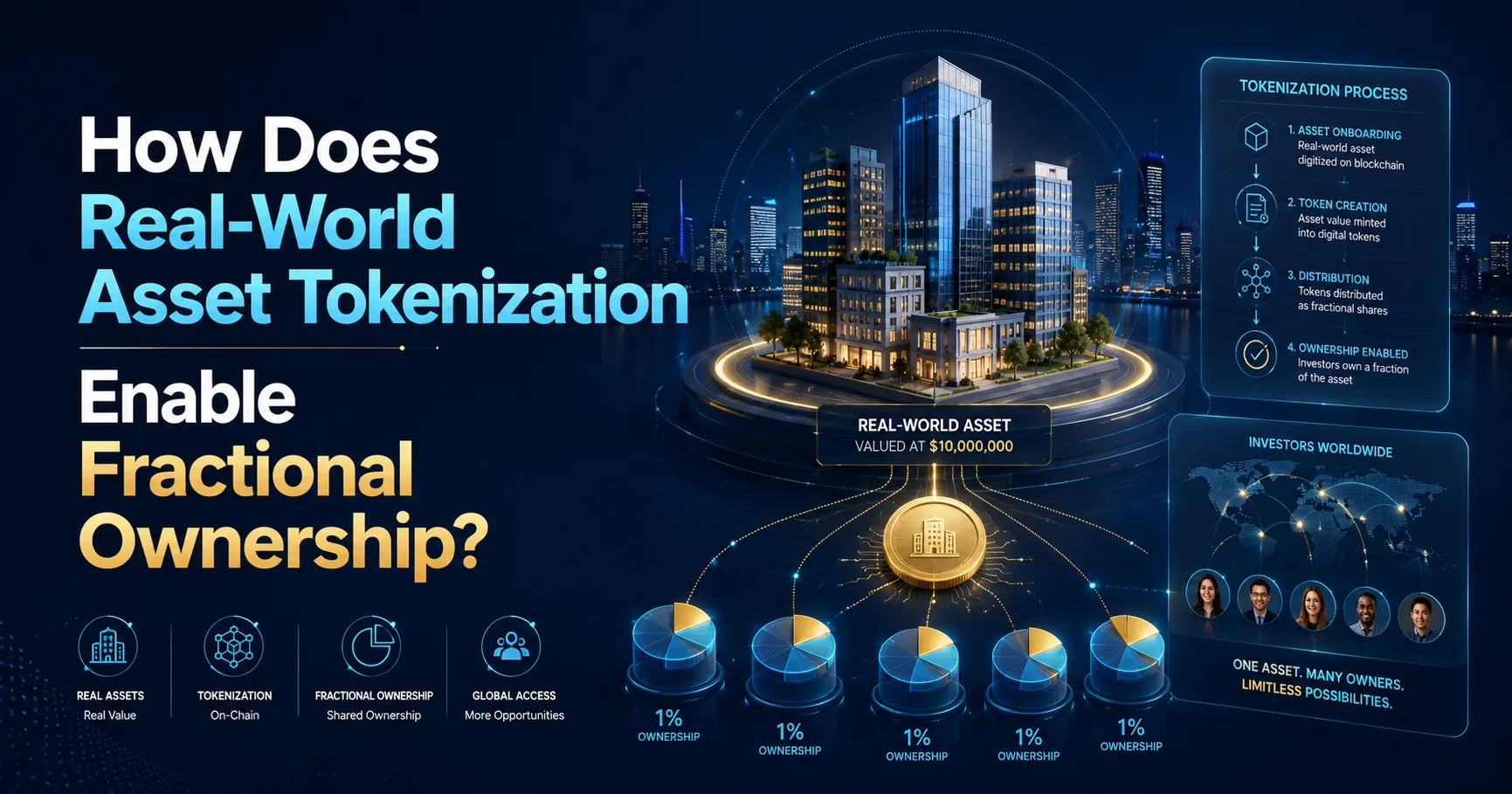
NFTs enable properties to be divided into multiple digital shares, lowering entry barriers for investors. Fractionalization increases liquidity while allowing diversified investment strategies. - Immutable ownership records
Blockchain storage ensures that ownership history and transaction data remain permanent and auditable. This reduces disputes and simplifies due diligence for buyers and regulators. - Integration with legal frameworks
Real estate NFTs function effectively when aligned with local property laws and contractual obligations. Collaboration with legal advisors is essential during platform development.
Benefits of NFTs in Real Estate Marketplaces
The adoption of NFTs within real estate marketplaces addresses several structural challenges that have traditionally limited efficiency and accessibility. By embedding ownership data and transaction logic into blockchain systems, NFTs enable more flexible investment models and faster settlement processes. This section outlines the tangible advantages NFTs bring to real estate platforms, helping developers and investors understand the long-term value proposition of NFT-driven property ecosystems.
- Improved market liquidity
Tokenized assets can be traded more easily than traditional real estate. This flexibility supports faster capital movement and expanded participation across global markets. - Enhanced transparency and trust
Blockchain-based records provide clear visibility into ownership and transaction history. This transparency builds confidence among users and institutional stakeholders. - Reduced transaction costs
Automated smart contracts replace manual processes and intermediaries. Lower operational costs benefit both platform operators and end users. - Global investor access
NFT marketplaces remove geographical constraints, enabling cross-border participation. This expanded reach increases demand and asset exposure.
How a Real Estate NFT Marketplace Works
A real estate NFT marketplace operates through a coordinated sequence of verification, tokenization, listing, and transaction settlement. Each step must be carefully designed to ensure legal accuracy, technical reliability, and user trust. Understanding this operational flow is essential for building platforms that function smoothly at scale. This section breaks down the end-to-end lifecycle of property NFTs within a marketplace environment.
- Asset onboarding and verification
Property details, ownership documents, and valuations are verified before tokenization. This step ensures accuracy and regulatory compliance. - NFT minting process
Verified assets are converted into NFTs using smart contracts. Metadata includes legal references, ownership terms, and transaction conditions. - Marketplace listing and trading
NFTs are listed with pricing models such as fixed price, auction, or fractional sale. Buyers interact through integrated crypto wallets. - Ownership transfer and settlement
Smart contracts automatically execute transfers once payment conditions are met. Blockchain confirmation finalizes the transaction securely.
Key Features of a Real Estate NFT Marketplace Platform
Feature selection plays a decisive role in determining whether a real estate NFT marketplace can deliver security, usability, and scalability. Platforms must balance technical robustness with intuitive user experiences while supporting regulatory compliance. This section highlights the essential features that enable marketplaces to function efficiently and gain long-term user trust.
- User identity and wallet integration
Secure onboarding processes include wallet connectivity and identity verification. These measures protect against fraud and unauthorized access. - Smart contract automation
Contracts govern minting, trading, royalties, and ownership transfers. Automated execution minimizes errors and operational delays. - Advanced search and asset discovery
Filters based on location, price, asset type, and ownership structure improve user experience. Efficient discovery increases marketplace engagement. - Analytics and reporting tools
Dashboards provide insights into transaction volume, asset performance, and user activity. Data visibility supports informed decision-making.
Steps to Build a Real Estate NFT Marketplace Platform
Developing a real estate NFT marketplace requires a structured approach that aligns business objectives with technical execution. Each development phase builds upon the previous one, ensuring that the final platform meets market expectations and compliance standards. This section outlines the critical steps involved in creating a scalable and reliable marketplace solution.
- Business and technical planning
Define the marketplace model, target audience, and revenue streams. Early planning aligns development with long-term objectives. - Blockchain and infrastructure selection
Choose networks based on scalability, transaction costs, and ecosystem maturity. Infrastructure decisions affect performance and user adoption. - Smart contract development and testing
Contracts are coded, audited, and tested to ensure reliability and security. Thorough testing reduces vulnerabilities and operational risks. - Frontend and backend integration
User interfaces, APIs, and blockchain components are integrated into a seamless platform. Performance optimization enhances user satisfaction.
Legal and Regulatory Considerations
Legal and regulatory alignment is a defining factor in the success of real estate NFT marketplaces. Because property ownership and investment activities are highly regulated, platforms must ensure compliance from the outset. This section explores the primary regulatory considerations that developers and operators must address to avoid legal complications and build sustainable platforms.
- Property law alignment
Digital ownership must correspond with enforceable legal rights. Jurisdiction-specific regulations influence token structure and documentation. - Securities and investment regulations
Fractional NFTs may be classified as securities in some regions. Regulatory assessment is required to avoid legal exposure. - KYC and AML compliance
Identity verification and transaction monitoring protect the platform from illicit activity. Compliance frameworks build institutional trust. - Data protection requirements
User data handling must comply with privacy regulations. Secure data management practices safeguard platform credibility.
Technology Stack for NFT Real Estate Marketplaces
The technology stack forms the backbone of a real estate NFT marketplace, influencing performance, scalability, and security. Selecting the right tools and frameworks ensures that the platform can support complex transactions and future growth. This section outlines the primary technological components required to build a resilient marketplace infrastructure.
- Blockchain networks and protocols
Ethereum, Polygon, and similar networks support NFT standards and smart contracts. Selection depends on transaction volume and cost efficiency. - Smart contract frameworks
Solidity-based frameworks enable customizable contract logic. Audited libraries reduce development risk. - Backend and cloud infrastructure
Scalable servers and decentralized storage support performance and reliability. Infrastructure planning accommodates future growth. - User interface technologies
Responsive design and intuitive navigation improve adoption. User experience directly impacts platform retention.
Conclusion
Building a real estate NFT marketplace platform in 2026 requires a balanced integration of blockchain technology, regulatory compliance, and user-focused design. From defining asset structures to selecting the right NFT real estate marketplace development company, every decision contributes to platform credibility and scalability. As property markets continue adopting digital ownership models, well-structured NFT marketplaces will play a central role in improving transparency, liquidity, and global investment access. Businesses that prioritize compliance, technical rigor, and long-term strategy will be best positioned to succeed in this evolving real estate ecosystem.




























Sign in to leave a comment.