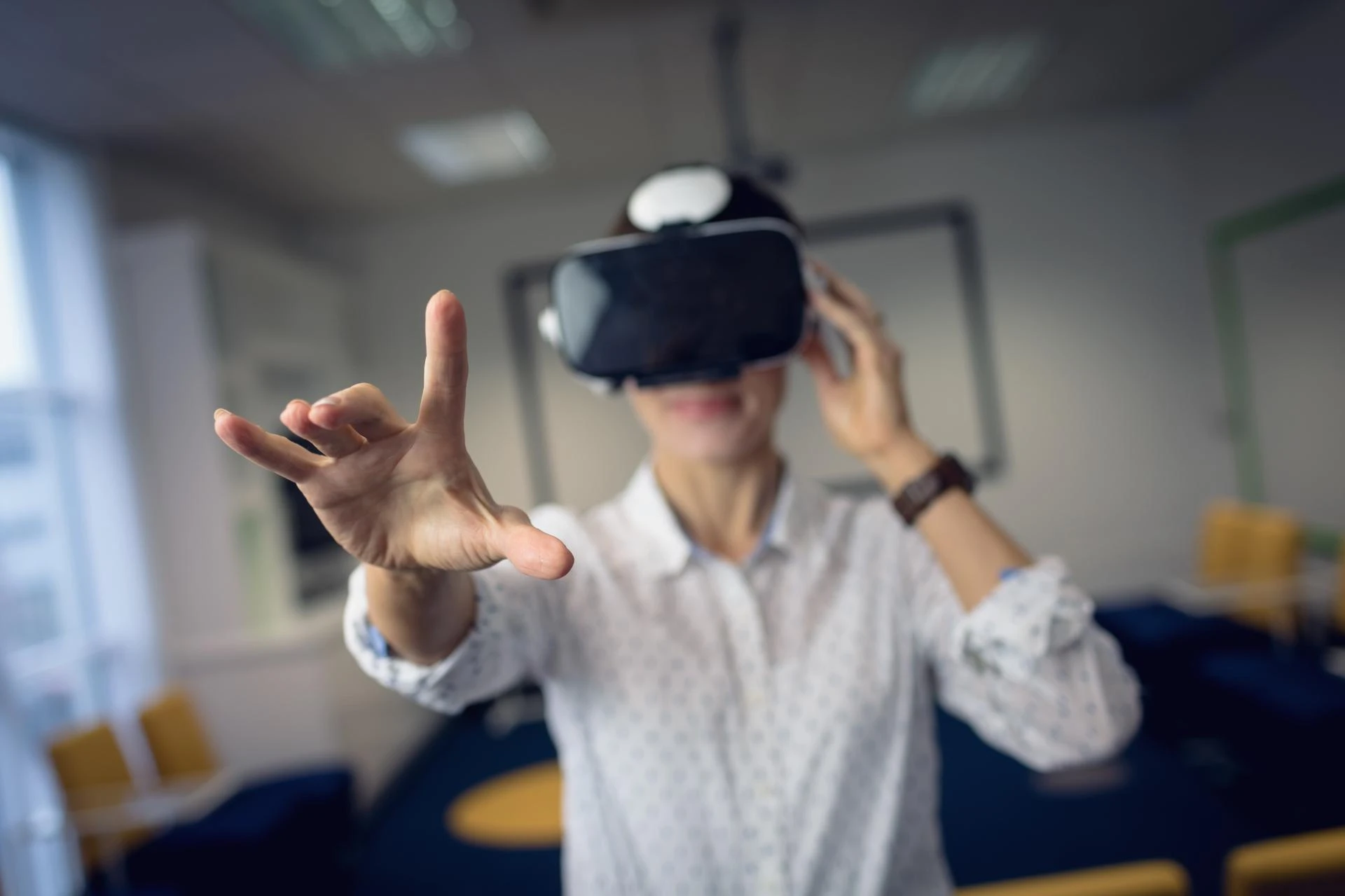

Virtual reality (VR) training has rapidly emerged as a powerful solution for immersive learning and practical skill development across industries. By simulating real-world scenarios in a controlled virtual environment, organizations can train employees more effectively, safely, and at scale. In this article, we explore the core VR training features that make this technology a transformative force in education, workforce development, and operational readiness.
Understanding VR Training Features: The Foundation of Immersive Learning
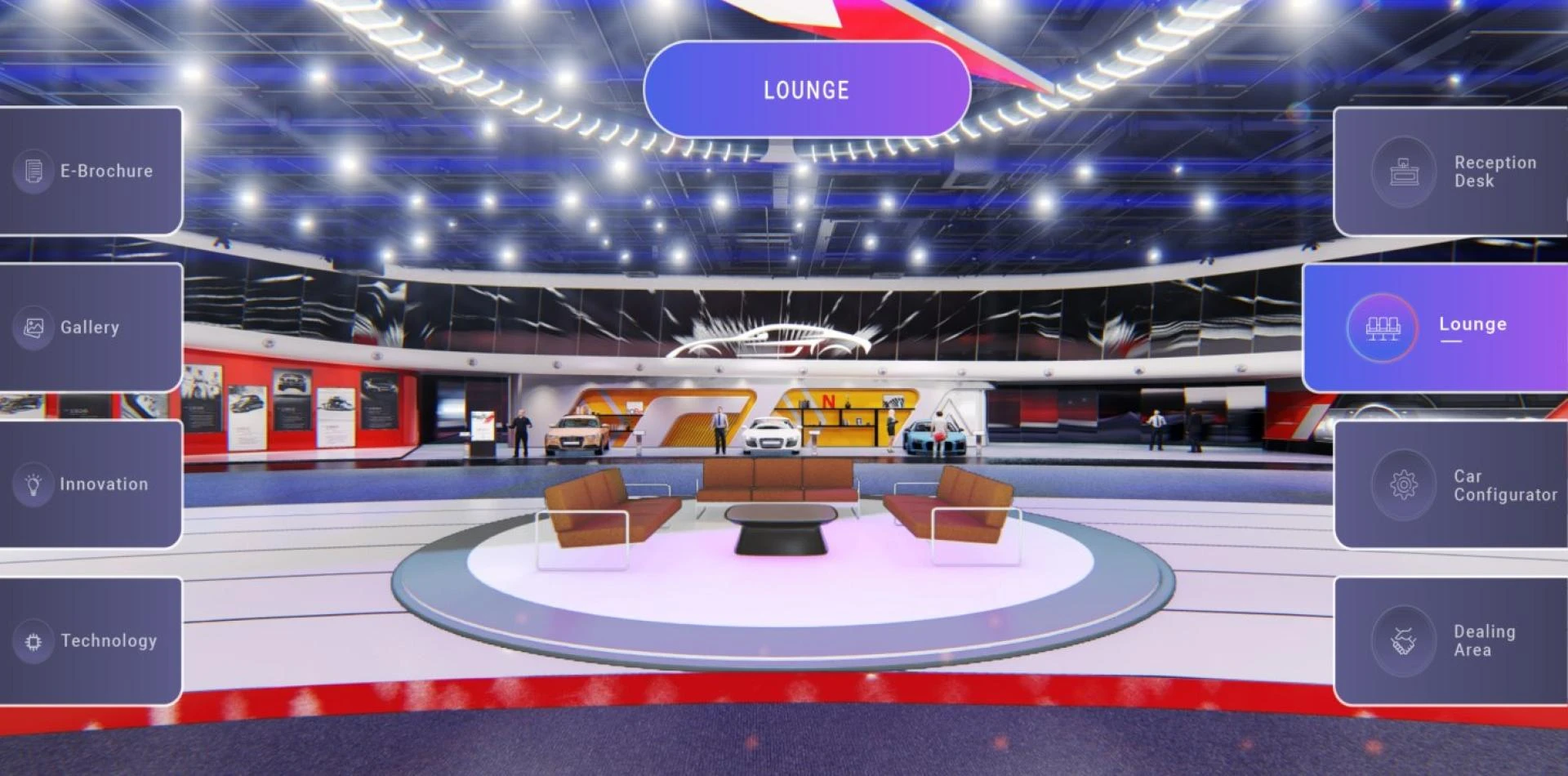
At its core, VR training leverages advanced technology to place learners inside a fully interactive virtual world where they can practice tasks, make decisions, and learn from mistakes without real-world risks. One of the central VR training features is its ability to provide situational realism — trainees feel present in the environment they are practicing in, whether it’s a factory floor, a construction site, or a medical operating theatre. This realistic interaction increases engagement and helps embed muscle memory and cognitive skills that traditional training methods often struggle to achieve.
In addition to realism, VR systems include adaptive feedback mechanisms. These features monitor user actions, provide instant feedback, and guide learners through complex procedures with corrective cues. For example, a trainee can immediately understand what they did correctly or incorrectly in a simulated task, allowing for rapid learning and retention. Other essential features include performance tracking dashboards and scenario customization, which allow trainers to tailor the experience to specific learning objectives and learner needs.
How VR Training Features Enhance Safety and Risk Management?
One of the most compelling reasons organizations adopt VR training is to improve safety. Many industries — such as aviation, healthcare, and manufacturing — involve high-stakes environments where mistakes can be costly or dangerous. VR allows learners to confront hazardous scenarios without risking injuries or equipment damage. VR training features such as emergency simulations, hazard recognition exercises, and consequence-based feedback immerse users in high-pressure situations safely.
By repeatedly exposing trainees to risky scenarios in VR, companies help build confidence and preparedness. Employees can practice emergency responses, identify safety hazards, and develop critical decision-making skills all within a controlled virtual space. This not only boosts individual competency but also contributes to a stronger safety culture across the organization.
Personalization and Scalability in Virtual Training Programs
Another advantage of VR is its flexibility. Unlike one-size-fits-all classroom sessions or static e-learning modules, VR training adapts to individual learning styles. Trainers can adjust difficulty levels, manage branching scenarios, or introduce new challenges as the learner progresses. Integrated analytics provide insights into performance trends, enabling personalized coaching based on real data.
Moreover, VR solutions scale efficiently. Multiple staff members can undergo consistent training simultaneously, regardless of physical location. This scalability significantly reduces logistical barriers and ensures uniform skill standards across the workforce — a vital benefit for large enterprises or global teams.
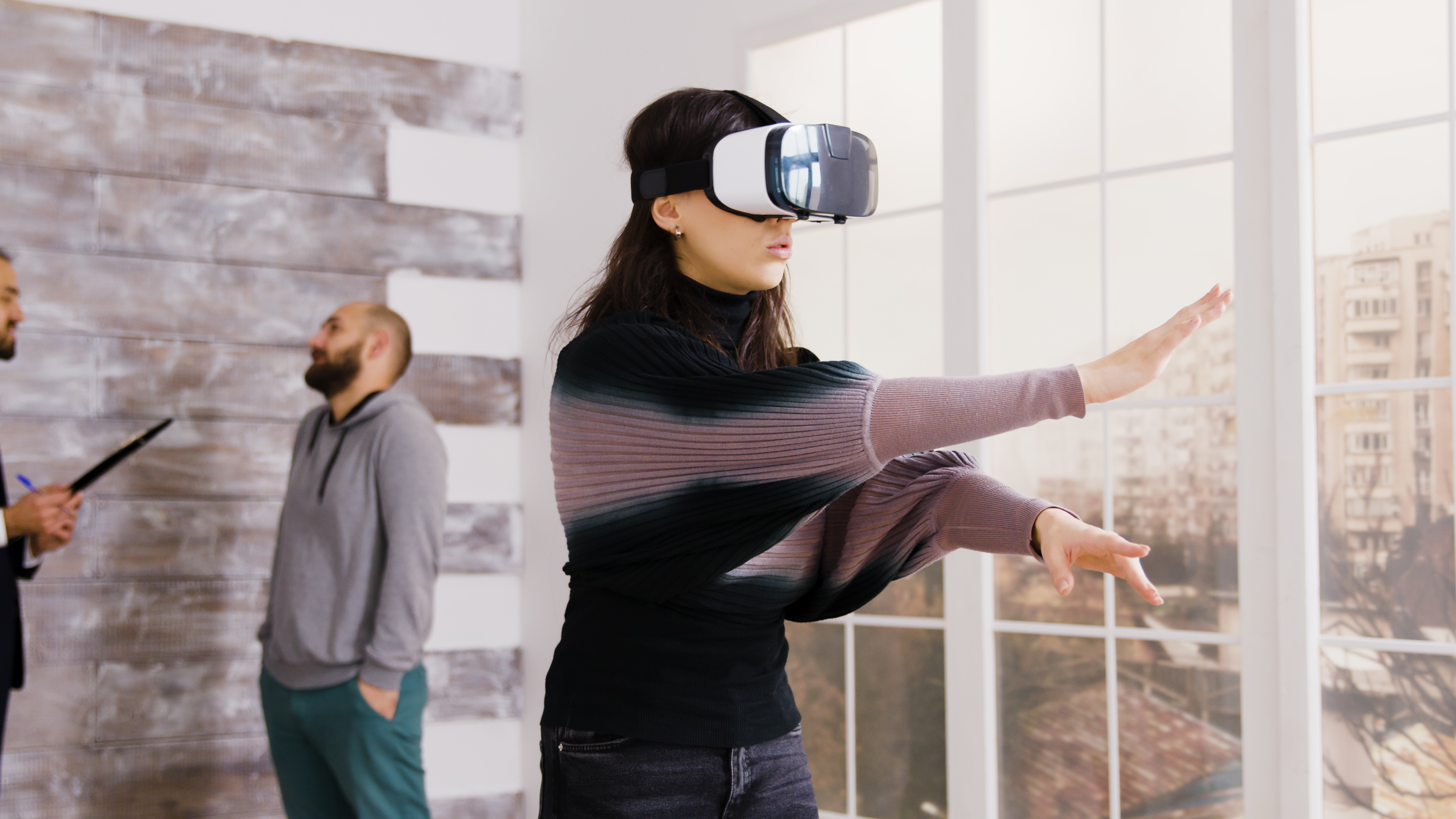
The Future of Workforce Development with VR Technology
As businesses look to upskill workforces and prepare for technological shifts, VR training stands out as a future-proof investment. With powerful VR training features that combine realism, safety, personalization, and analytics, organizations can transform how they educate and empower employees. Whether for onboarding, certification, or continuous improvement, virtual reality training helps learners excel in real-world challenges while advancing organizational goals.
Incorporating VR into training strategies is more than a trend — it’s a strategic move towards more effective, engaging, and efficient learning experiences.













Sign in to leave a comment.