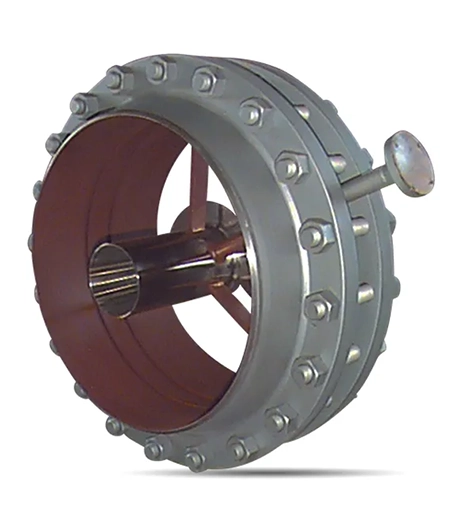

In modern industrial steam systems, temperature control is not just a process requirement — it is a critical factor that determines equipment lifespan, operational safety, and plant efficiency. Superheated steam is widely used because of its high energy content, but uncontrolled superheat can lead to serious thermal stress and mechanical damage. This is where a well-engineered Desuperheater system becomes indispensable.
Advanced desuperheater systems are designed to precisely regulate steam temperature, ensuring optimal performance while significantly reducing downtime and maintenance costs. This article explores in depth how modern desuperheating technology protects industrial systems and enhances overall plant reliability.
Understanding Superheated Steam and Its Challenges
Superheated steam is steam heated beyond its saturation temperature at a given pressure. While it carries more energy and prevents condensation in turbines and pipelines, excessive temperature can create major operational challenges.
Common issues caused by uncontrolled superheated steam include:
- Excessive thermal expansion of pipes and components
- Warping of valve internals
- Damage to turbine blades
- Weld joint cracking
- Seal and gasket failures
- Distortion in heat exchanger tubes
These issues are primarily caused by thermal stress, which occurs when materials expand or contract unevenly due to rapid or uneven temperature changes.
What Is a Desuperheater?
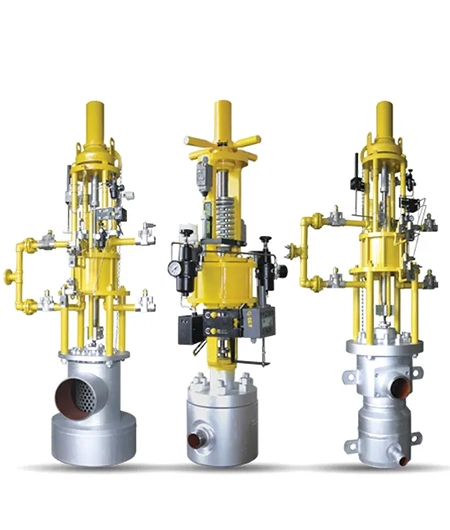
A Desuperheater is a temperature control device used to reduce the temperature of superheated steam to a desired setpoint, usually close to saturation temperature. It works by injecting a controlled quantity of cooling water into the steam flow. The water absorbs excess heat and evaporates, lowering the steam temperature without significantly affecting pressure.
Desuperheaters are commonly installed in:
- Boiler outlet lines
- Turbine bypass systems
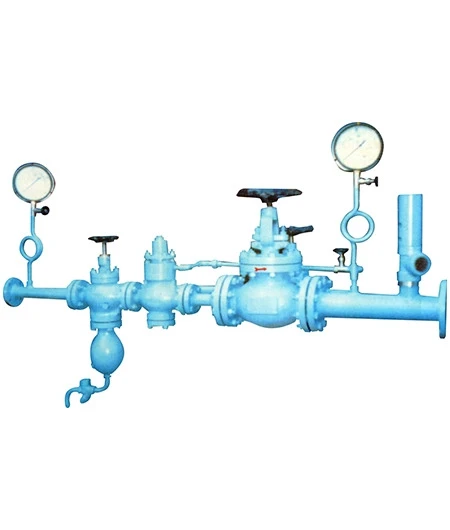
- Pressure reducing stations
- Steam distribution headers
- Process heating lines
Their role is crucial in industries such as power generation, oil and gas, petrochemicals, pharmaceuticals, food processing, and pulp & paper.
The Science Behind Thermal Stress
Thermal stress arises when different sections of a component experience varying temperatures, causing uneven expansion. In steam systems, this often occurs during:
- Sudden load changes
- Startup and shutdown cycles
- Emergency turbine bypass operations
- Fluctuating process demands
When temperature gradients are steep, the resulting internal stress can exceed the material’s strength, leading to fatigue and eventual failure.
Over time, repeated stress cycles cause:
- Micro-cracks in metal surfaces
- Weld seam degradation
- Loss of mechanical integrity
- Reduced fatigue life of components
Without proper temperature control, these effects shorten equipment lifespan and increase unexpected shutdowns.
How Advanced Desuperheater Systems Reduce Thermal Stress
Modern desuperheater technology goes far beyond simple water injection. Advanced systems are engineered with precision controls, optimized flow dynamics, and enhanced materials to minimize thermal shock and maintain stable steam conditions.
1. Precise Temperature Modulation
Advanced systems integrate fast-response temperature sensors and automated control valves. These continuously monitor outlet temperature and adjust water injection in real time.
This ensures:
- Stable steam temperature
- Elimination of temperature overshoot
- Reduced sudden thermal gradients
Consistent temperature control significantly lowers stress on downstream equipment.
2. Fine Atomization for Rapid Evaporation
One of the key advancements in modern Desuperheater systems is high-performance atomizing nozzles. These nozzles break water into extremely fine droplets, increasing surface area for rapid heat absorption.
Benefits include:
- Instant evaporation
- Uniform mixing with steam
- Elimination of water carryover
- Prevention of pipe wall impingement
Uniform cooling prevents localized cold spots that can cause thermal cracking.
3. Optimized Spray Distribution and Mixing Length
Advanced designs use computational fluid dynamics (CFD) to ensure optimal spray patterns and sufficient mixing length inside the pipeline. Proper mixing ensures:
- Even temperature distribution
- No water pooling
- No wet steam conditions
- Reduced risk of thermal shock
This engineering precision protects critical components such as turbines and pressure reducing valves.
4. Fast Dynamic Response to Load Variations
Industrial steam systems often operate under fluctuating loads. During sudden changes in steam demand, temperature can rise sharply.
Modern Desuperheater systems:
- Respond instantly to control signals
- Adjust spray flow proportionally
- Maintain stable outlet temperature during load swings
This dynamic stability prevents stress-induced damage during transient operations.
5. Material Durability and Erosion Resistance
High-temperature steam and injected water create a harsh operating environment. Advanced desuperheaters use:
- High-grade alloy materials
- Erosion-resistant trims
- Corrosion-resistant spray components
Durable construction ensures long-term reliability and reduces maintenance frequency.
How Reduced Thermal Stress Minimizes Downtime
Thermal stress is a leading cause of unplanned plant shutdowns. By maintaining controlled steam temperature, advanced Desuperheater systems directly reduce downtime in several ways:
Protection of Critical Equipment
Stable temperature protects:
- Steam turbines
- Control valves
- Heat exchangers
- Expansion joints
- Steam headers
Preventing thermal fatigue extends equipment life and reduces unexpected failures.
Lower Maintenance Requirements
Reduced temperature fluctuations mean:
- Fewer emergency repairs
- Less frequent part replacements
- Longer inspection intervals
This allows maintenance teams to focus on preventive strategies rather than reactive fixes.
Improved Process Stability
Consistent steam conditions improve process efficiency in heating, drying, and chemical reactions. Stable processes reduce production disruptions and improve product quality.
Enhanced Safety and Compliance
Uncontrolled steam temperatures can create hazardous conditions. Proper desuperheating reduces risk of:
- Overheating incidents
- Steam line ruptures
- Sudden system failures
Improved safety compliance reduces operational risks and liability.
Economic Advantages of Advanced Desuperheating
Beyond technical benefits, investing in an advanced Desuperheater system provides measurable financial returns:
- Reduced capital expenditure on frequent replacements
- Lower energy losses due to temperature overshoot
- Increased plant availability
- Higher operational efficiency
- Improved return on investment
The reduction in downtime alone can translate into substantial cost savings, especially in continuous process industries.
Key Considerations When Selecting a Desuperheater
To maximize performance and reliability, consider:
- Steam pressure and temperature range
- Required turndown ratio
- Cooling water quality and pressure
- Available mixing length
- Control system compatibility
- Maintenance accessibility
Proper engineering assessment ensures the system operates efficiently under all load conditions.
The Strategic Role of Desuperheaters in Modern Industry
As industries aim for higher efficiency, lower emissions, and improved reliability, temperature control systems are becoming more sophisticated. A high-performance Desuperheater is no longer just an accessory — it is a critical safeguard for thermal system integrity.
By reducing thermal stress, improving temperature stability, and protecting valuable assets, advanced desuperheater systems play a key role in ensuring uninterrupted industrial operations.
Conclusion
Thermal stress remains one of the most significant threats to steam system reliability. Without proper control, superheated steam can damage pipelines, turbines, and heat exchangers, leading to costly downtime and safety risks. Advanced Desuperheater systems provide precise temperature control, uniform steam conditioning, and rapid response to load changes — effectively minimizing stress and extending equipment life.
For industries seeking reliable, high-performance steam temperature control solutions, Vytal Controls offers advanced desuperheater systems engineered to reduce downtime, enhance efficiency, and ensure long-term operational stability.




























Sign in to leave a comment.