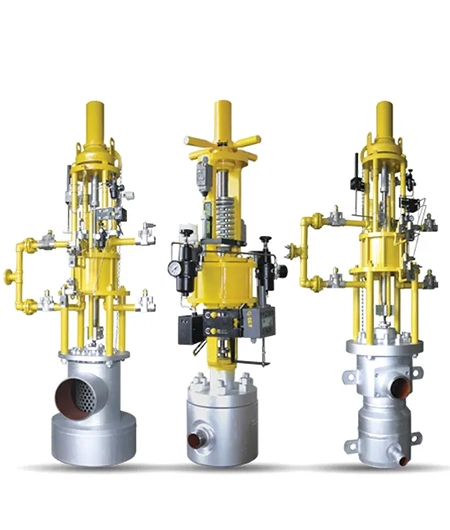

High-pressure industrial systems demand precision, durability, and safety. Whether in power generation, oil and gas, chemical processing, or heavy manufacturing, improper pressure control can lead to catastrophic equipment damage and expensive downtime. Selecting the correct Bypass Valve is therefore not just a component decision—it is a system protection strategy.
This comprehensive guide explains how to choose the right bypass valve for high-pressure applications, including technical selection criteria, sizing methodology, material considerations, and installation best practices.
Understanding the Role of a Bypass Valve in High-Pressure Systems
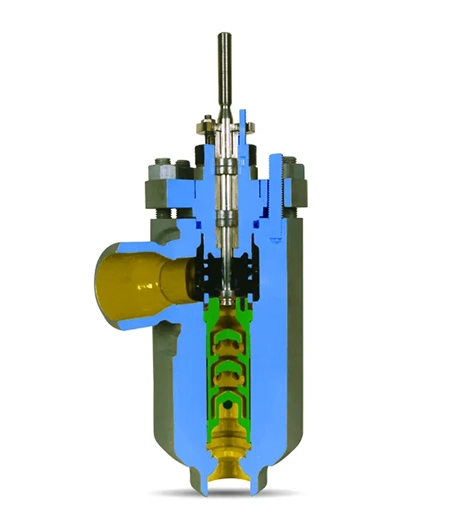
A Bypass Valve is designed to redirect excess flow or relieve pressure when it exceeds a preset limit. In pump systems, it ensures that minimum flow requirements are maintained, preventing overheating, cavitation, and mechanical damage.
In high-pressure environments, the valve must operate reliably under:
- Elevated pressures
- Sudden pressure surges
- High temperatures
- Continuous-duty conditions
Without proper bypass protection, systems are vulnerable to seal failure, shaft damage, vibration, and premature wear.
Why High-Pressure Applications Require Special Attention
High-pressure systems amplify risks. Even small selection errors can result in:
- Excessive internal stress
- Fatigue cracking
- Unstable pressure fluctuations
- Equipment downtime
- Safety hazards
The higher the pressure, the more critical it becomes to choose a valve engineered specifically for those operating conditions.
Step 1: Determine Maximum Operating Pressure
The first and most critical factor is pressure rating.
You must evaluate:
- Normal operating pressure
- Maximum allowable working pressure (MAWP)
- Surge or transient pressure spikes
- Safety factor margin
The selected bypass valve must have a pressure rating exceeding the highest potential system pressure. Underrated valves can deform, leak, or fail under stress.
Step 2: Analyze Flow Requirements
Flow rate is just as important as pressure.
In high-pressure pump systems, bypass flow must:
- Maintain minimum safe pump flow
- Prevent dead-heading
- Avoid excessive heat buildup
- Stabilize system pressure during low-demand periods
Accurate flow analysis should include:
- Minimum continuous flow
- Maximum possible bypass flow
- Startup and shutdown flow conditions
Using manufacturer flow curves and Cv values ensures the valve can handle the required capacity without instability.
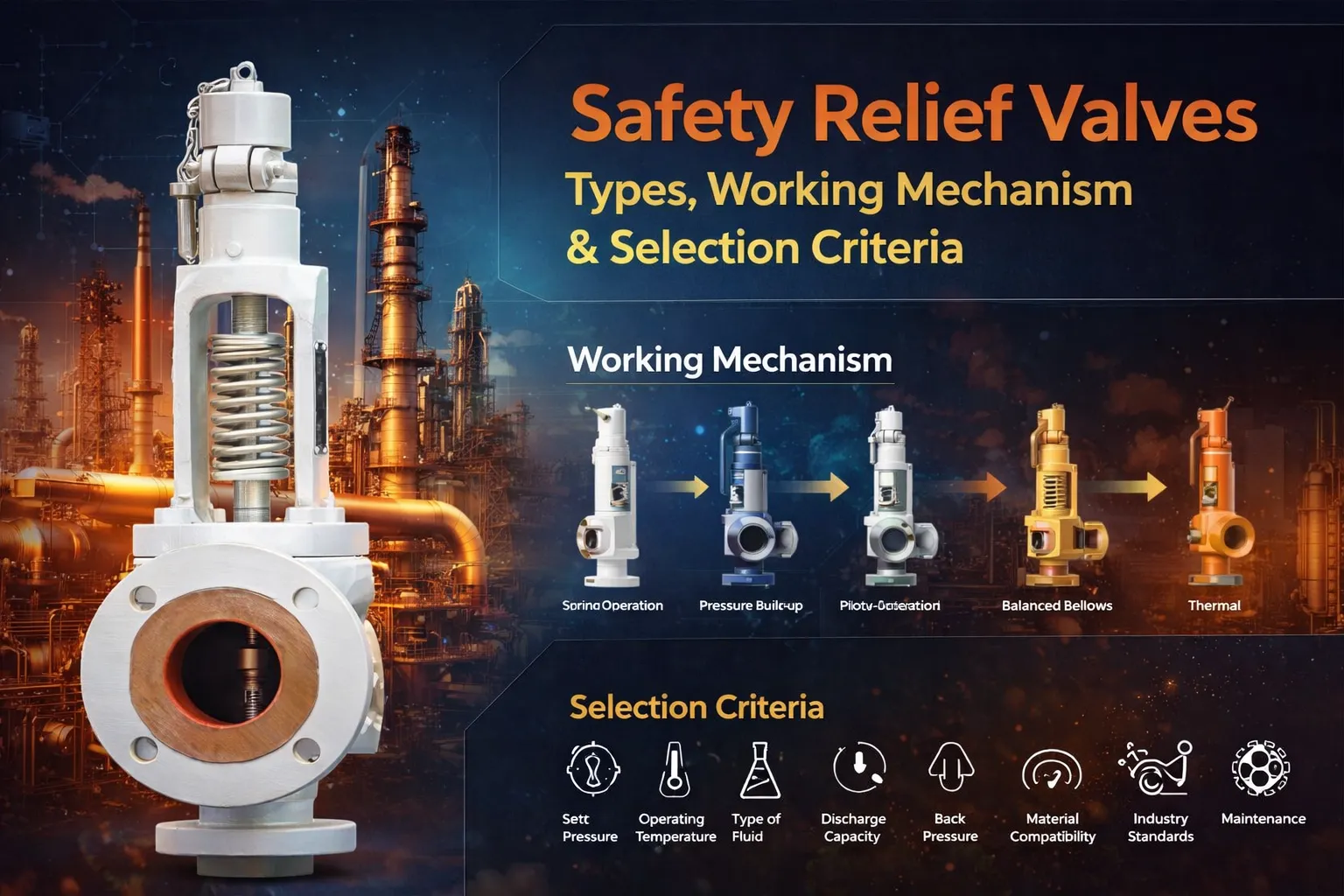
Step 3: Select the Appropriate Valve Type
Different designs serve different pressure levels.
Spring-Loaded Bypass Valve
- Compact and simple design
- Fast response time
- Suitable for moderate to high pressure
- Lower cost
Best for applications with relatively stable operating conditions.
Pilot-Operated Bypass Valve
- Higher precision control
- Stable under fluctuating pressure
- Ideal for very high-pressure systems
- Better capacity handling
In demanding industrial applications, pilot-operated designs often provide superior performance and stability.
Step 4: Evaluate Material Compatibility
Material selection directly impacts durability.
High-pressure systems often involve:
- Corrosive fluids
- Abrasive particles
- High temperatures
- Chemical exposure
Common materials include:
- Carbon steel for general industrial use
- Stainless steel for corrosive environments
- Alloy steels for extreme pressure and temperature conditions
Seals and internal components must also match fluid compatibility requirements to prevent degradation.
Step 5: Consider Temperature Ratings
High pressure often coincides with high temperature.
Temperature affects:
- Seal elasticity
- Spring performance
- Material strength
- Thermal expansion
Always confirm the valve’s operating temperature range matches your process conditions.
Step 6: Account for Pressure Drop and Differential Pressure
Differential pressure across the valve influences performance and sizing.
Improper calculation may cause:
- Excessive noise
- Vibration
- Flow instability
- Premature wear
Accurate pressure drop calculations help ensure smooth operation and extended service life.
Step 7: Ensure Compliance with Industry Standards
High-pressure systems must comply with recognized safety and quality standards.
Depending on your industry, verify compliance with:
- ASME standards
- API specifications
- ISO quality requirements
- Industry-specific regulatory codes
Compliance ensures reliability, safety, and legal protection.
Step 8: Plan for Maintenance and Accessibility
Ease of maintenance improves long-term reliability.
When selecting a bypass valve, consider:
- Accessibility for inspection
- Availability of spare parts
- Ease of set pressure adjustment
- Service interval recommendations
A well-designed valve reduces maintenance costs and operational interruptions.
Step 9: Installation Best Practices
Even the best valve can fail if installed incorrectly.
Proper installation includes:
- Positioning near the pump discharge line
- Ensuring proper piping alignment
- Providing vibration support
- Installing pressure gauges for monitoring
- Avoiding unnecessary pipe stress
Correct installation improves efficiency and extends operational lifespan.
Common Mistakes to Avoid
When selecting a bypass valve for high-pressure applications, avoid:
- Choosing based on price instead of performance
- Ignoring pressure surge conditions
- Underestimating required flow capacity
- Overlooking material compatibility
- Skipping engineering calculations
Each mistake can significantly increase system risk.
Long-Term Benefits of Proper Bypass Valve Selection
When correctly selected and installed, a bypass valve provides:
- Improved pump protection
- Enhanced system stability
- Reduced energy waste
- Lower maintenance costs
- Increased equipment lifespan
- Improved operational safety
In high-pressure systems, prevention is always more cost-effective than repair.
Conclusion
Selecting the right Bypass Valve for high-pressure applications requires careful analysis of pressure ratings, flow requirements, materials, temperature conditions, valve design, and compliance standards. A properly engineered solution ensures stable operation, protects critical equipment, and enhances overall system efficiency.
For industrial applications that demand reliability and precision, partnering with experienced manufacturers such as Vytal Controls ensures that your high-pressure systems are protected with advanced engineering and proven performance.























Sign in to leave a comment.