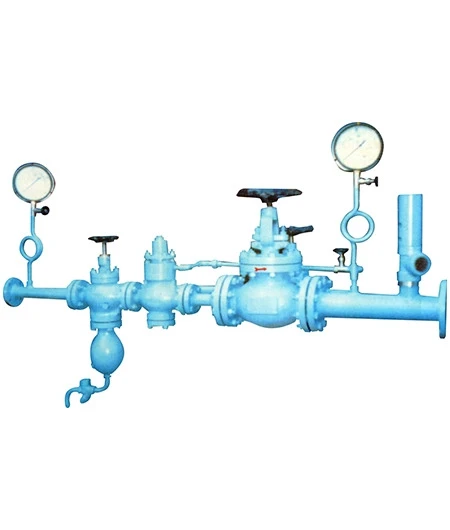

Steam is one of the most widely used energy carriers in industrial processes. It is commonly generated in boilers at high pressure and then distributed throughout a plant for various applications such as heating, sterilization, drying, and power generation. However, not every industrial process requires steam at the same pressure level. In many cases, high-pressure steam must be reduced to a lower and stable pressure before it can be safely used by downstream equipment.
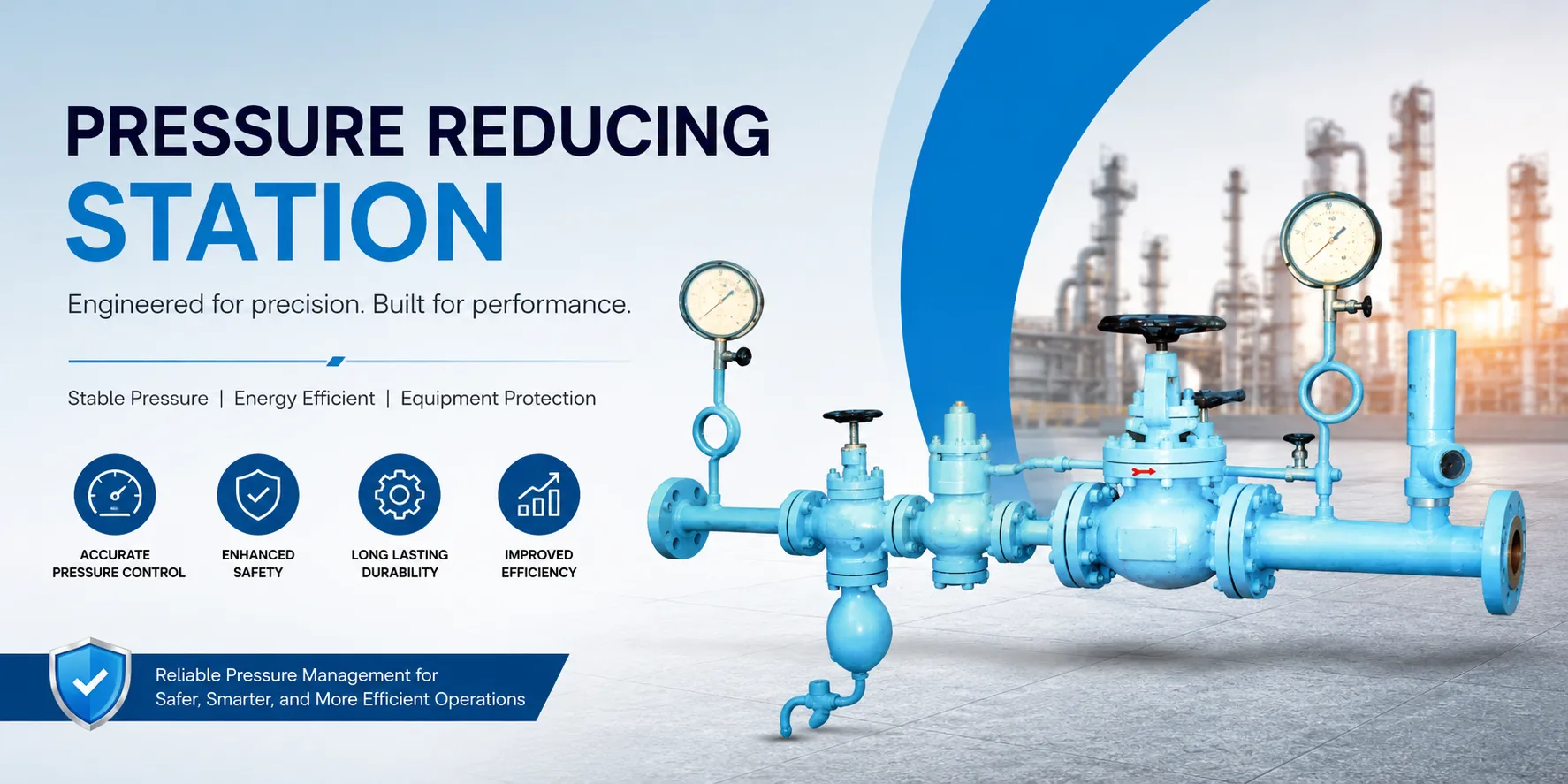
This is where a Pressure Reducing Station becomes an essential part of a steam distribution system. A properly designed Pressure Reducing Station ensures safe pressure control, protects process equipment, improves energy efficiency, and supports consistent plant operations. Understanding its functions, components, and benefits helps industries operate steam systems more efficiently and safely.
Understanding a Pressure Reducing Station
A Pressure Reducing Station is a specially designed assembly installed in steam pipelines to reduce and regulate the pressure of steam coming from the boiler before it reaches process equipment. Boilers typically produce steam at high pressure to allow efficient transmission across long distances in a plant. However, most industrial processes operate at much lower pressure levels.
The Pressure Reducing Station acts as a control point in the steam system where the pressure is automatically lowered and maintained at a constant level regardless of fluctuations in upstream pressure or variations in steam demand.
By ensuring stable downstream pressure, the station helps protect equipment, maintain consistent process conditions, and improve operational reliability.
Why Pressure Control is Important in Steam Systems
Steam pressure control is crucial for several reasons in industrial environments. Excessive steam pressure can damage sensitive equipment such as heat exchangers, reactors, and sterilizers. It can also lead to inefficient energy usage and create unsafe working conditions.
A Pressure Reducing Station provides precise pressure regulation, allowing each process within a plant to receive steam at the exact pressure it requires. This controlled distribution prevents operational disruptions and supports optimal process performance.
In addition, effective pressure control helps reduce steam losses, minimize mechanical stress on pipelines and valves, and extend the lifespan of system components.
Working Principle of a Pressure Reducing Station
The operation of a Pressure Reducing Station is based on automatic pressure regulation. The station continuously monitors downstream pressure and adjusts steam flow accordingly to maintain a predetermined pressure level.
When high-pressure steam enters the station, it first passes through filtration and conditioning components to remove impurities and prepare the steam for pressure control. The steam then flows through a pressure reducing valve that modulates its opening to regulate the pressure.
If downstream pressure begins to rise above the set point, the valve partially closes to reduce the flow. If the pressure drops due to increased demand, the valve opens further to allow more steam to pass through.
This dynamic control ensures a constant and stable supply of steam at the desired pressure level.
Main Components of a Pressure Reducing Station
A well-designed Pressure Reducing Station consists of several key components that work together to maintain safe and efficient pressure control.
Pressure Reducing Valve
The pressure reducing valve is the central component of the station. It automatically controls the flow of steam to maintain the desired downstream pressure. The valve continuously adjusts its position based on pressure variations within the system.
Strainer
A strainer is installed upstream of the pressure reducing valve to remove dirt, rust, and debris present in the steam line. This protects the valve from damage and ensures smooth operation.
Pressure Gauges
Pressure gauges are placed at both the inlet and outlet of the station. These instruments allow operators to monitor pressure levels and confirm that the station is operating correctly.
Safety Relief Valve
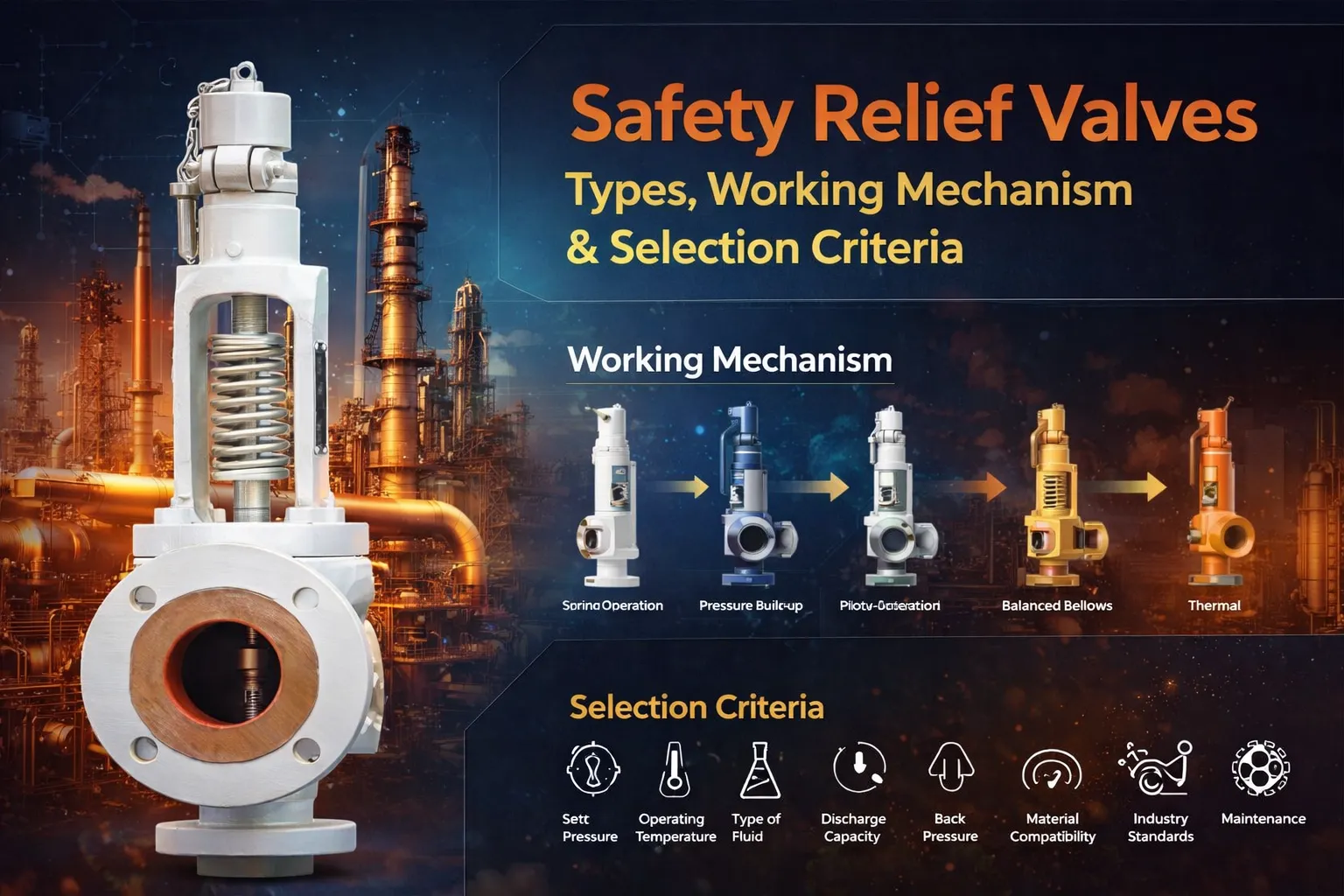
A safety relief valve acts as a critical protection device in case the downstream pressure rises above the safe limit. If this occurs, the valve releases excess steam to prevent damage to equipment and pipelines.
Moisture Separator
Steam often carries moisture that can affect valve performance and reduce system efficiency. A moisture separator removes condensate droplets, ensuring dry steam reaches the pressure reducing valve.
Control System and Sensors
Modern pressure reducing stations may include automated control systems with sensors and actuators. These systems provide more precise pressure regulation and allow for remote monitoring and control.
Isolation Valves
Isolation valves are installed before and after the pressure reducing station. They allow operators to isolate the station during maintenance or repairs without shutting down the entire steam system.
Types of Pressure Reducing Stations
Depending on system requirements and application complexity, pressure reducing stations can be designed in different configurations.
Single Pressure Reducing Station
This is the simplest configuration and includes one pressure reducing valve along with the necessary accessories. It is commonly used in systems with moderate steam demand.
Parallel Pressure Reducing Station
In this configuration, two or more pressure reducing valves are installed in parallel. This design provides higher capacity and redundancy, ensuring continuous operation even if one valve requires maintenance.
Multi-Stage Pressure Reducing Station
For applications involving extremely high pressure differences, pressure reduction may be performed in multiple stages. This prevents excessive stress on valves and improves system reliability.
Industrial Applications of Pressure Reducing Stations
Pressure Reducing Stations are used in many industries where steam is an essential part of the production process.
Power Generation
Steam turbines and auxiliary systems require controlled steam pressure to operate safely and efficiently.
Pharmaceutical Industry
Sterilization processes, clean steam systems, and manufacturing operations rely on accurate pressure control for consistent product quality.
Food and Beverage Processing
Steam is widely used for cooking, pasteurization, and cleaning. Proper pressure regulation ensures safe and efficient operations.
Chemical Processing
Many chemical reactions require controlled temperature and pressure conditions, making pressure reducing stations critical in these environments.
Oil and Gas Industry
Refineries and petrochemical plants use steam for heating, distillation, and other processing operations.
Textile and Paper Manufacturing
Steam is used extensively for drying, heating, and process control in these industries.
Advantages of Installing a Pressure Reducing Station
A properly designed Pressure Reducing Station provides several important benefits for industrial steam systems.
Improved Process Stability
Maintaining consistent steam pressure ensures stable process conditions and helps maintain product quality in manufacturing operations.
Enhanced Equipment Protection
By reducing excessive pressure, the station protects sensitive equipment such as heat exchangers, control valves, and pipelines from damage.
Increased Energy Efficiency
Efficient pressure control helps minimize steam wastage and improves the overall efficiency of the steam distribution system.
Improved Safety
Steam systems operating at uncontrolled pressure levels can pose serious safety risks. Pressure reducing stations incorporate safety devices that help prevent overpressure conditions.
Reduced Maintenance and Downtime
By stabilizing system pressure and reducing mechanical stress, these stations help reduce wear and tear on equipment, lowering maintenance costs and minimizing downtime.
Best Practices for Pressure Reducing Station Maintenance
To maintain reliable performance, regular inspection and maintenance of a Pressure Reducing Station are essential.
Operators should periodically check strainers for blockages and clean them when necessary. Pressure gauges should be verified to ensure accurate readings. Safety valves must be tested to confirm proper operation during overpressure conditions.
In addition, pressure reducing valves should be inspected for proper response and recalibrated when required. Monitoring steam quality and ensuring proper condensate drainage also contribute to improved station performance.
Routine maintenance not only extends the lifespan of the station but also helps prevent unexpected system failures.
Conclusion
A Pressure Reducing Station is a critical component in industrial steam systems, enabling safe and efficient distribution of steam at the required pressure levels. By controlling steam pressure, protecting equipment, and improving operational stability, these stations play a vital role in maintaining reliable plant performance.
Industries that rely heavily on steam systems benefit significantly from properly designed and maintained pressure reducing stations, as they improve safety, enhance efficiency, and extend the lifespan of system components. High-quality steam control solutions offered by Vytal Controls support industries in achieving reliable pressure regulation and optimized steam system performance.



























Sign in to leave a comment.