

In the competitive realm of e-commerce, User Interface (UI) and User Experience (UX) optimization play a pivotal role in attracting, engaging, and converting online shoppers. A well-crafted UI/UX design can make the difference between a casual visitor and a loyal customer. To thrive in the e-commerce landscape, it's essential to create an intuitive, seamless, and delightful user experience that guides visitors through their buying journey. In this article, we will explore strategies to optimize UI/UX for e-commerce websites and boost conversions.
Streamlined Navigation
Effective navigation is the cornerstone of a successful e-commerce UI/UX design. Users should be able to effortlessly find products, categories, and relevant information. Implement clear and logical menu structures, intuitive search bars, and breadcrumb trails to guide users and enhance their browsing experience.
Mobile Responsiveness
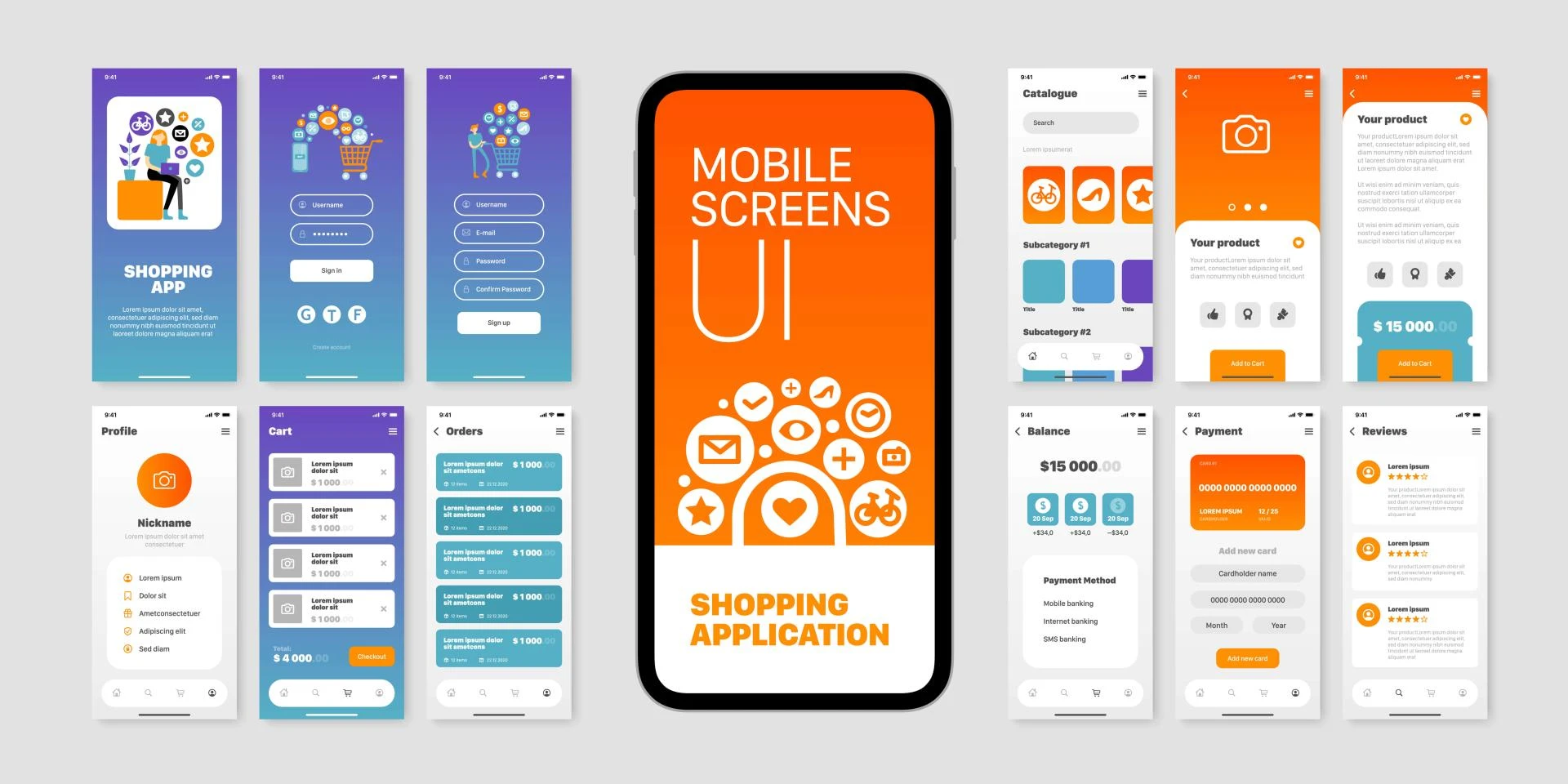
Given the prevalence of mobile shopping, ensuring your e-commerce website is fully responsive on various devices is paramount. Mobile-friendly designs with responsive layouts, easily tappable buttons, and legible text contribute to a seamless and engaging mobile shopping experience.
Visual Hierarchy
Implement a clear visual hierarchy to guide users' attention and actions. Use typography, color contrast, and size to highlight key elements such as product images, prices, and calls-to-action. A well-defined hierarchy enhances user engagement and encourages conversions.
High-Quality Product Imagery
Visual appeal is crucial in e-commerce. High-quality, zoomable product images provide users with a detailed view of what they're purchasing. Implement 360-degree views or product videos to enhance user confidence and reduce uncertainty about the product.
Effective Product Filtering and Sorting
Enable users to quickly narrow down their product choices by offering robust filtering and sorting options. Allow users to refine search results based on attributes like size, color, price range, and reviews. User-friendly filtering enhances the shopping experience and improves product discoverability.
Clear Product Information
Comprehensive and easily accessible product information is vital. Include detailed descriptions, specifications, sizing charts, and customer reviews. Clear and accurate information builds trust and helps users make informed purchase decisions.
Simplified Checkout Process
A streamlined and hassle-free checkout process is essential for minimizing cart abandonment. Implement a single-page or multi-step checkout that requires minimal information input. Offer guest checkout options and provide progress indicators to keep users informed.
Trust Signals and Security
Display trust signals such as security badges, payment options, and return policies prominently. A sense of security and transparency fosters trust and encourages users to complete their purchases.
Personalization and Recommendations
Utilize AI-driven recommendations to showcase related products or items frequently bought together. Personalized recommendations enhance cross-selling and upselling opportunities, leading to higher average order values.
Feedback and User Testing
Regularly gather user feedback and conduct usability testing to identify pain points and areas for improvement. Address user concerns and continuously refine the UI/UX design to meet user expectations and preferences.
Page Load Speed
Optimize page load speed to prevent user frustration and abandonment. Compress images, minimize code, and utilize caching to ensure fast and responsive website performance.
Social Proof and User-generated Content
Incorporate social proof elements such as user-generated reviews, ratings, and testimonials. Positive social proof influences purchase decisions and builds credibility.
Responsive Customer Support
Offer accessible and responsive customer support options, such as live chat, chatbots, or email. Promptly addressing user inquiries and concerns contributes to a positive shopping experience.
Post-Purchase Experience
Enhance the post-purchase experience by providing order tracking, delivery updates, and easy returns. A seamless post-purchase experience fosters customer loyalty and encourages repeat business.
Conclusion
Optimizing UI/UX for e-commerce websites is a multifaceted endeavor that requires a deep understanding of user behavior, preferences, and industry trends. By prioritizing streamlined navigation, mobile responsiveness, visual hierarchy, high-quality imagery, and a simplified checkout process, you can create a user-centric e-commerce experience that drives conversions and customer satisfaction. Continuous refinement based on user feedback and emerging technologies will position your e-commerce website for success in an increasingly competitive digital marketplace.
Visit my Upwork profile for - UI/UX design, Web design & Mobile design



























Sign in to leave a comment.