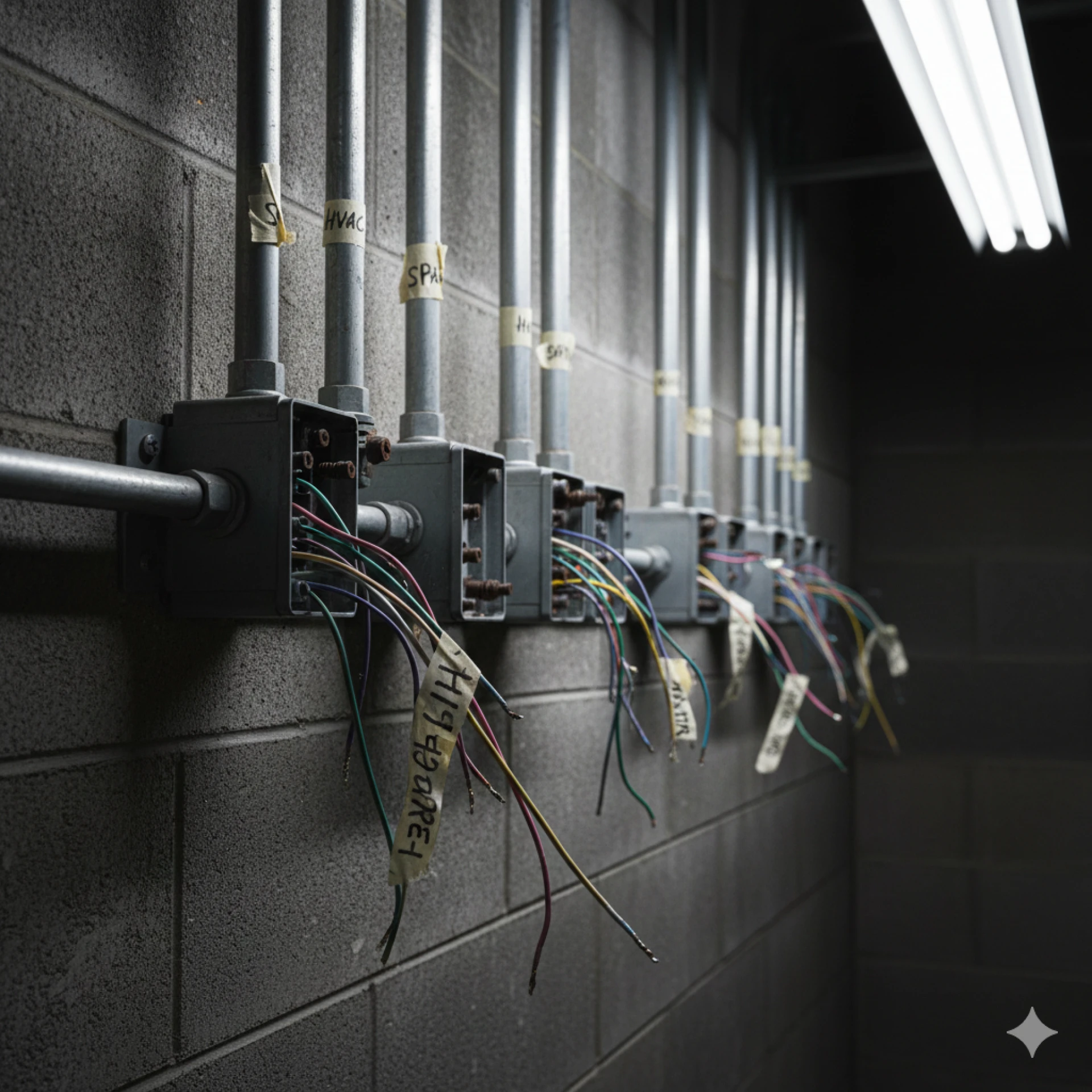

"It Passed Inspection” Is the Lowest Bar in Commercial Electrical
If you’ve ever heard someone brag, “Don’t worry — it passed inspection,” here’s a reality check: passing inspection is the lowest bar you can hit in commercial electrical work.
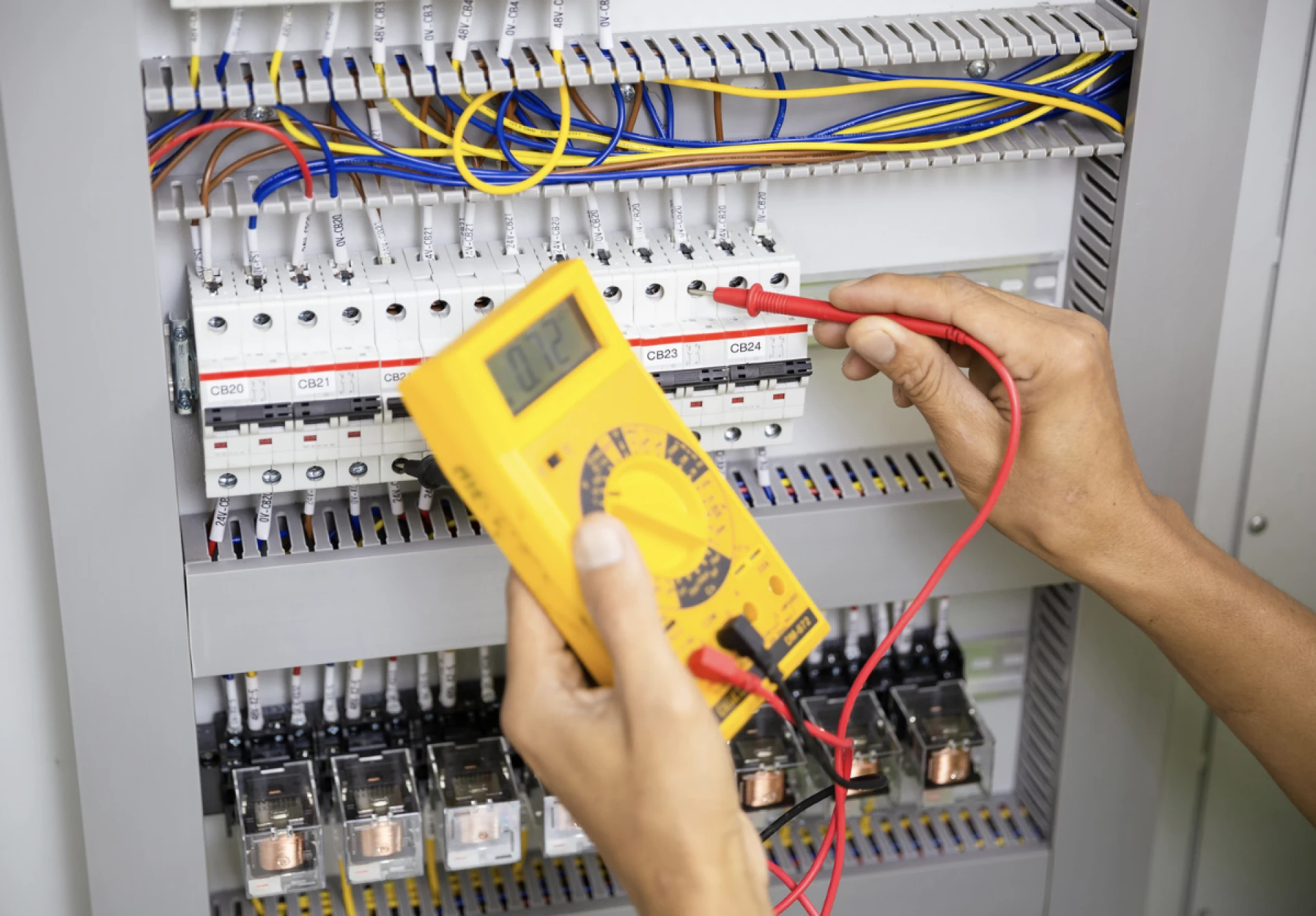
Inspections only confirm that minimum standards were met at a single point in time. They do not guarantee that the system is reliable, resilient, or capable of handling real-world office use.
Why Passing Inspection Doesn’t Mean Good Work
I’ve been called to dozens of commercial offices, warehouses, and fitouts where everything “passed inspection” — and yet:
- Breakers trip under normal loads
- Emergency circuits fail when needed
- Staff experience flickering lights
- Distribution boards have no spare capacity for expansion
- Maintenance teams struggle to understand the system
All these issues stem from the same problem: the system was designed to pass inspection, not to operate properly over time.
The Difference Between Compliance and Reliability
Commercial electrical work isn’t about ticking boxes. It’s about understanding:
- How the building will actually be used
- Load distribution and growth over time
- Coordination with HVAC, fire, IT, and lighting systems
- Long-term accessibility and maintenance
A residential mindset or a “fast install” mentality ignores these factors. Passing inspection is cheap and easy. Making a system reliable takes planning, foresight, and experience.
Real-Life Examples
I walked into a brand-new office where everything was technically compliant. On paper, the installation looked perfect. But within six months:
- Half the floor would lose power whenever everyone brewed coffee at the same time
- Emergency lighting wasn’t consistent across the building
- Maintenance staff couldn’t isolate faults without shutting down entire circuits
The building didn’t fail. The installation failed. And all because inspection only verified the minimum legal requirements.
What a Professional Commercial Electrician Does Differently
A true Commercial Electrician Sydney doesn’t focus on passing inspection. They focus on building systems that keep working.
They will:
- Ask about occupancy, equipment, and operational hours
- Calculate realistic loads with a safety margin
- Coordinate with other trades to prevent conflicts
- Separate critical circuits for reliability
- Document systems so maintenance is straightforward
Reliability is the goal. Passing inspection is just the starting line.
The Hidden Cost of Minimum Compliance
Relying solely on inspection approval can be expensive:
- Unexpected outages disrupt operations
- Repeated call-outs and emergency repairs add cost
- System upgrades happen sooner than necessary
- Staff productivity suffers
- Tenant or client satisfaction drops
All because the original installation met the lowest legal bar, not the functional bar your business needs.
The Takeaway
In commercial electrical work, inspection approval is not a stamp of quality. It’s a baseline minimum — and nothing more.
Next time someone reassures you that your building “passed inspection,” ask:
“Will this system reliably support my business today, next year, and five years from now?”
Because in commercial environments, passing inspection is easy. Making it work under real-world conditions takes expertise.





















Sign in to leave a comment.