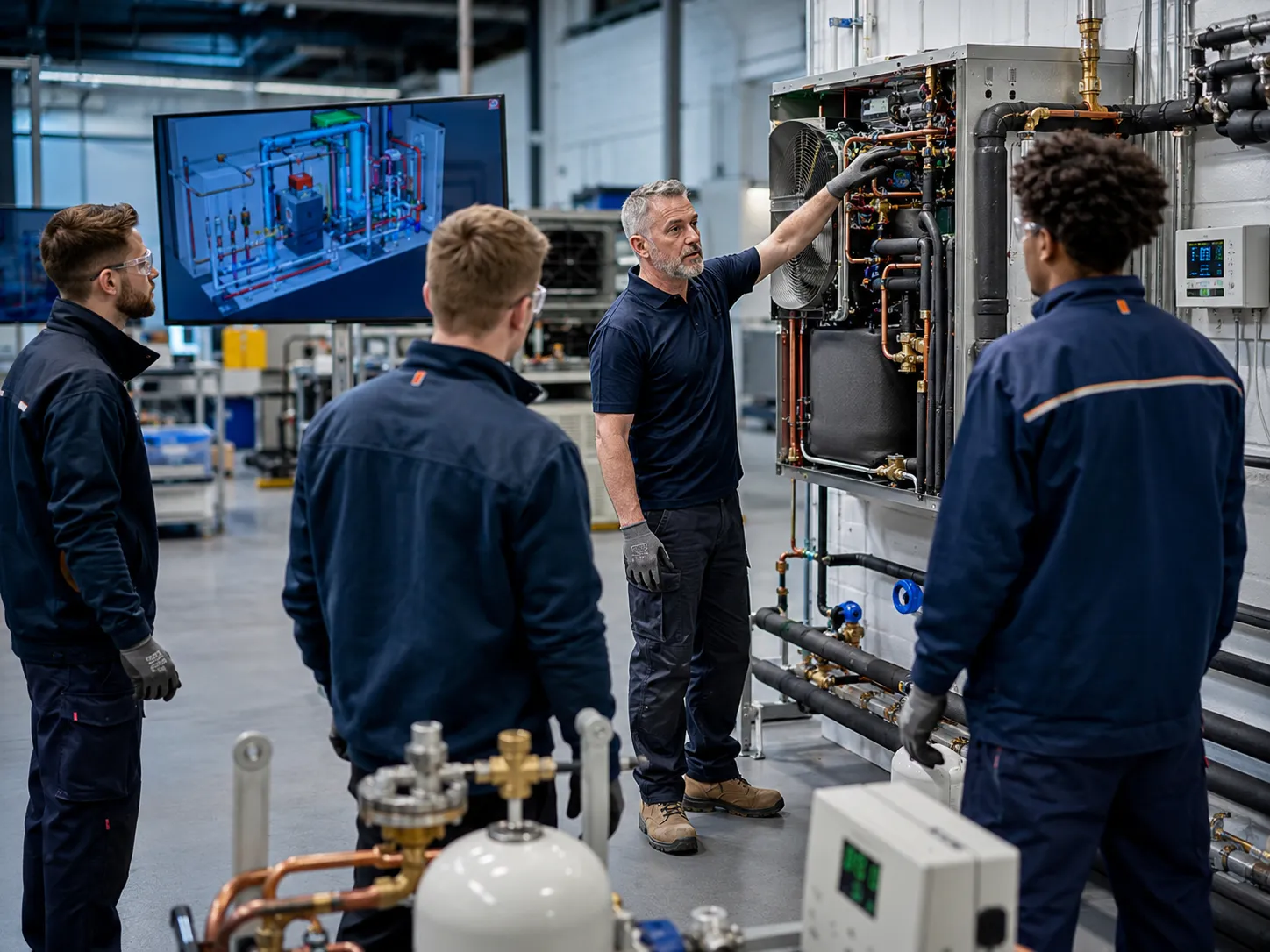

As more homes and businesses move towards low-carbon heating, demand for qualified air source heat pump (ASHP) installers continues to grow. Whether you're an experienced plumbing and heating engineer, a gas engineer looking to broaden your services, or someone entering the renewable energy sector, completing an air source heat pump course can help you develop the knowledge and practical skills needed to work confidently with modern heating systems.
Not every training course is the same. Some focus heavily on classroom theory, while others provide extensive hands-on experience with real equipment. Choosing the right programme means looking beyond course duration or price and considering how well it prepares you for real installation work.
This guide explains what an air source heat pump course typically covers, who should take one, what to expect during training, and how to choose a provider that meets your professional goals.
Why Air Source Heat Pump Training Matters
Air source heat pumps have become an increasingly common choice for heating and hot water in residential and commercial properties. Unlike traditional boilers, these systems operate differently, requiring installers to understand refrigeration principles, heat loss calculations, system sizing and commissioning procedures.
Proper training helps engineers:
- Understand how air source heat pumps operate
- Install systems safely and efficiently
- Reduce installation errors
- Improve system performance
- Meet current industry expectations
- Expand the range of services they can offer customers
For customers, a correctly designed and installed heat pump can improve efficiency, reduce running costs in suitable properties and provide reliable heating throughout the year.
What Is an Air Source Heat Pump?
An air source heat pump extracts heat from the outside air and transfers it into a property's heating and hot water system.
Unlike conventional boilers that generate heat through combustion, a heat pump moves existing heat using refrigeration technology and electrical energy.
Typical components include:
- Outdoor unit
- Compressor
- Evaporator
- Condenser
- Expansion valve
- Indoor hydraulic components
- Hot water cylinder (where applicable)
- Heating controls
Understanding how these components work together forms the foundation of most training courses.
Who Should Take an Air Source Heat Pump Course?
These courses are designed for professionals working within the heating and building services industry.
Typical attendees include:
Plumbing and Heating Engineers
Engineers wishing to expand into renewable heating installations.
Gas Engineers
Professionals looking to diversify as demand for low-carbon heating continues to increase.
Heating Contractors
Businesses wanting to add renewable heating solutions to existing services.
Mechanical Engineers
Those involved in heating system design and installation.
Renewable Energy Installers
Engineers seeking additional qualifications in heat pump technology.
Building Services Professionals
Individuals involved in specification, commissioning or system design.
What You'll Learn During an Air Source Heat Pump Course
Although course content varies between providers, most programmes cover several core areas.
Heat Pump Principles
Training usually begins with understanding how heat pumps transfer thermal energy.
Topics often include:
- Refrigeration cycle
- Heat transfer
- Coefficient of Performance (COP)
- Seasonal performance
- System efficiency
Heat Loss Calculations
Correct sizing is essential.
You'll learn how to calculate:
- Building heat demand
- Room-by-room heat loss
- Flow temperatures
- Heating load requirements
Incorrect sizing can reduce efficiency and affect occupant comfort.
System Design
Design modules often include:
- Radiator sizing
- Underfloor heating compatibility
- Pipework design
- Buffer tanks
- Hot water storage
- Hydraulic layouts
- Expansion vessels
Installation Methods
Practical training commonly covers:
- Outdoor unit positioning
- Pipe installation
- Electrical considerations
- Condensate drainage
- Insulation
- Weather protection
Hands-on sessions help reinforce classroom learning.
Commissioning
A quality installation isn't complete until the system has been properly commissioned.
Training may include:
- Filling and flushing
- Pressure testing
- Control configuration
- Performance checks
- Fault identification
Maintenance
Routine servicing helps maintain efficiency and extend equipment lifespan.
Topics often include:
- Visual inspections
- Cleaning procedures
- Filter maintenance
- System testing
- Preventative maintenance
Fault Finding
Real-world installations occasionally develop issues.
Many courses introduce:
- Diagnostic techniques
- Performance monitoring
- Common installation errors
- Controller settings
- Error code interpretation
Practical Training vs Classroom Learning
The most valuable courses combine theoretical knowledge with practical experience.
| Classroom Learning | Practical Training |
|---|---|
| Heat pump principles | Installing equipment |
| System design | Pipe connections |
| Regulations | Commissioning |
| Heat loss calculations | Testing systems |
| Electrical theory | Fault diagnosis |
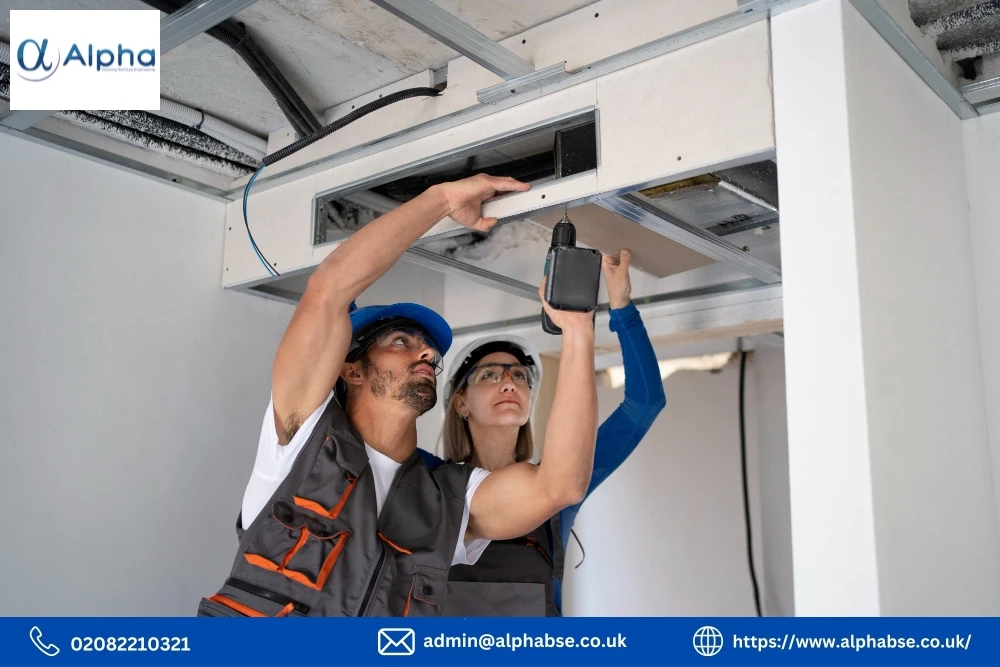
Working on live training rigs allows engineers to apply theory in realistic scenarios.
Typical Course Duration
Training length depends on experience and course level.
Common options include:
| Course Type | Typical Duration |
|---|---|
| Introduction | 1 day |
| Installer course | 2–5 days |
| Advanced training | Several days |
| Manufacturer-specific training | Varies |
Some providers also offer refresher courses for experienced installers.
Skills You'll Develop
An air source heat pump course can help you build skills in:
- System planning
- Equipment selection
- Installation techniques
- Commissioning
- Performance optimisation
- Fault diagnosis
- Customer communication
- Renewable heating knowledge
These skills support both installation quality and customer confidence.
Choosing the Right Air Source Heat Pump Course
Not every training provider offers the same learning experience.
Consider the following factors before booking.
Practical Facilities
Look for courses that include:
- Working heat pump systems
- Real installation rigs
- Practical exercises
- Small group sessions
Hands-on learning often improves understanding.
Experienced Trainers
Training is often more useful when delivered by instructors with industry experience rather than purely academic knowledge.
Experienced trainers can explain:
- Common installation challenges
- Best practices
- Troubleshooting methods
- Real customer scenarios
Up-to-Date Content
Technology and industry guidance continue to develop.
Choose training that reflects current installation practices and recognised standards.
Class Size
Smaller groups usually allow:
- More practical time
- Individual support
- Better interaction
- Greater opportunity to ask questions
Ongoing Support
Some providers continue supporting learners after the course through:
- Technical advice
- Refresher sessions
- Learning resources
- Industry updates
This can be valuable when completing your first independent installations.
Common Challenges New Installers Face
Moving from traditional boilers to heat pumps involves a different approach.
Common learning points include:
Correct System Sizing
Oversized or undersized systems can reduce efficiency.
Flow Temperature Design
Heat pumps generally operate most effectively with lower flow temperatures than conventional boilers.
Property Assessment
Every property has different insulation levels, heat loss characteristics and heating requirements.
Understanding these variables improves installation quality.
Customer Expectations
Installers should explain:
- How systems operate
- Expected performance
- Routine maintenance
- Efficient control settings
Clear communication helps customers use their systems effectively.
Benefits of Completing Air Source Heat Pump Training
Professional training can offer several advantages.
Improved Knowledge
Gain a better understanding of renewable heating technology.
Greater Confidence
Practical experience helps installers approach projects with confidence.
Broader Service Offering
Businesses can expand into renewable heating alongside existing services.
Better Installation Quality
Well-trained engineers are more likely to deliver efficient, reliable systems.
Professional Development
Training supports ongoing learning within a changing heating industry.
Air Source Heat Pump Course Checklist
Before enrolling, ask:
- Is there practical hands-on training?
- Who delivers the course?
- What experience do the instructors have?
- Does the course cover system design?
- Is commissioning included?
- Are fault-finding exercises provided?
- Will I work on real equipment?
- Is post-course support available?
Frequently Asked Questions
Q: Do I need previous heating experience?
A: Many installer-level courses are intended for professionals already working in plumbing, heating or related trades. Entry requirements vary, so check with the training provider before booking.
Q: How long does an air source heat pump course take?
A: Courses range from introductory one-day sessions to several days of installer training with both theory and practical exercises.
Q: Is practical training important?
A: Yes. Working with real equipment helps reinforce classroom learning and builds confidence for on-site installations.
Q: What subjects are usually covered?
A: Most courses include heat pump principles, system design, heat loss calculations, installation methods, commissioning, maintenance and fault finding.
Q: Can training help me expand my business?
A: For many heating professionals, adding air source heat pump installation to their services allows them to respond to growing demand for renewable heating solutions.
Key Takeaways
- Air source heat pump technology requires specialist knowledge beyond traditional heating systems.
- A balanced course should combine classroom learning with practical installation experience.
- Topics typically include design, installation, commissioning, maintenance and fault finding.
- Choosing an experienced training provider can improve both confidence and competence.
- Practical experience on working systems prepares engineers for real-world installations.
- Ongoing learning helps installers keep pace with changes in renewable heating technologies.
Last Thoughts
An air source heat pump course provides more than a certificate. It equips heating professionals with the knowledge and practical skills needed to install, commission and maintain systems that are becoming an increasingly common part of modern heating.
When comparing courses, focus on the quality of practical training, the experience of the instructors and how well the programme prepares you for real installation work. A course that combines clear technical teaching with hands-on experience can help you build confidence, deliver reliable installations and support customers effectively.




























Sign in to leave a comment.