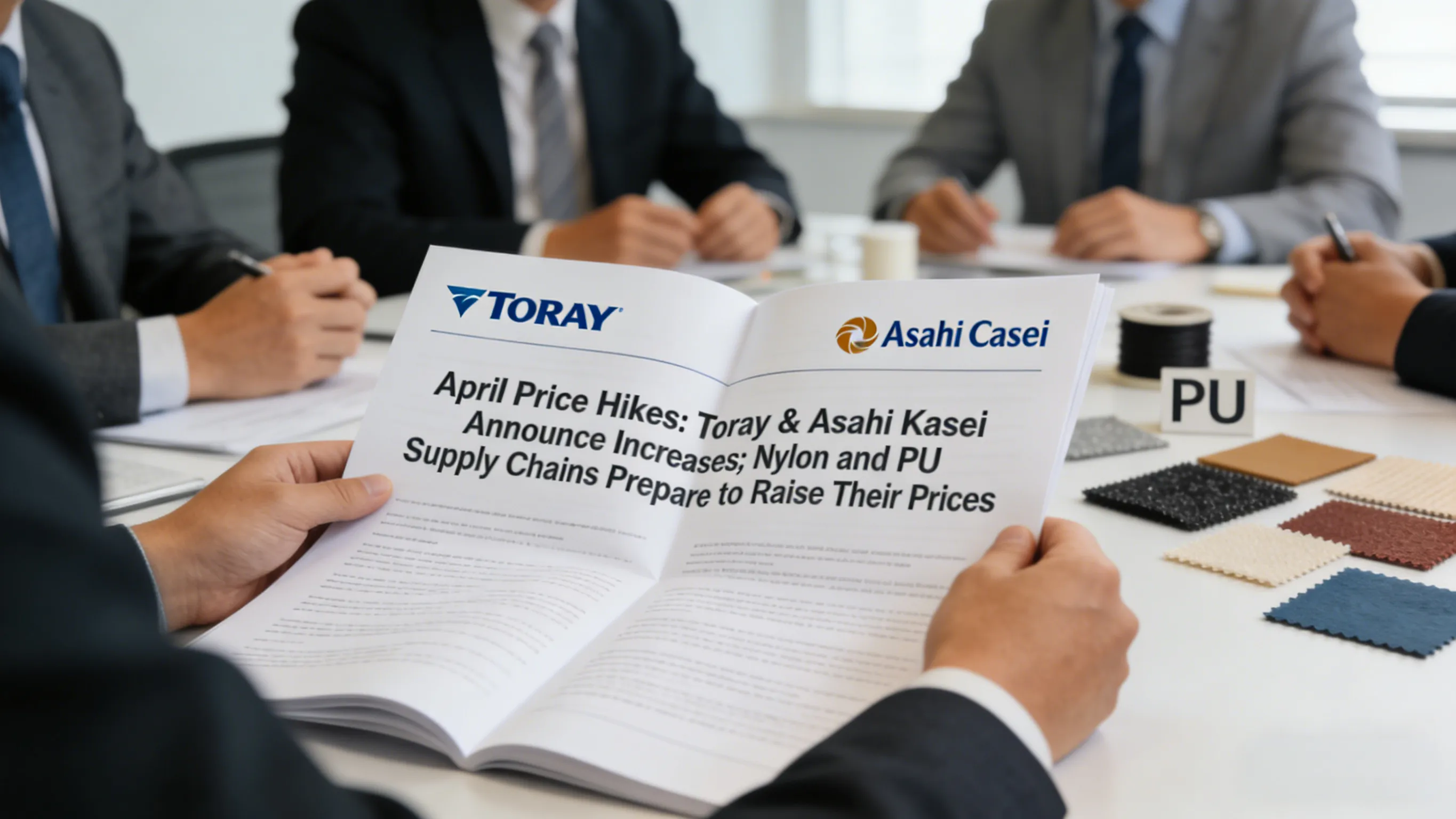

Crude oil and naphtha prices have experienced sharp gains. Conflict in the Middle East continues to interfere with supplies of key raw materials; while petrochemical plants were hit with maintenance shutdowns in the first quarter that have further restricted production capacity and caused price increases across chemical raw material markets worldwide. A global wave of price increase for chemical raw material products is intensifying rapidly.
Prices have reached new all-time highs across a broad spectrum of engineering plastics such as nylon 66 and 6; polyurethane; synthetic rubber; basic chemicals and more, with downstream industries including automobiles; textiles; electronics and home furnishings being forced to absorb mounting cost pressures; while the global chemical industry chain has now entered an entirely new phase of price restructuring.

International chemical giants have implemented extensive price adjustments, with nylon products experiencing the steepest price increase
At the beginning of April, Toray and Asahi Kasei took the initiative in raising nylon prices. Since then, over ten other chemical giants such as BASF, Celanese and Invista quickly followed suit, sparking collective price-hike mode across the entire global nylon supply chain.
Beginning April 15, Asahi Kasei is increasing prices for nylon 66 fiber used in airbags and tire cord, as well as resin used to coat mirror housings of automotive mirrors, by 170 yen per kilogram across global markets. These specialized resins are heavily relied upon in automotive injection molding. This adjustment applies equally.
Starting April, Toray will increase prices across its synthetic fiber products, such as nylon 66 filament and staple fiber will see increases of 20 yen or more per kilogram, acrylic staple fiber will experience increases over 110 yen per kilogram while products like nylon 6, polyester and polypropylene nonwoven fabrics may experience increases from 50-110 yen per kilogram.
Chinese companies are feeling the strain from raw material shortages as well. Invista Nylon Chemicals (China) Co., Ltd. and Shenma Industrial Co. Ltd. each issued force majeure announcements for their products; China Petrochemical Development Corporation (CPDC) announced temporary production halts that reduced core capacity; supplies of key products like adiponitrile, hexamethylenediamine, nylon 66 chips and caprolactam have tightened considerably as market prices skyrocket further.
Butadiene prices hit their highest point since 2017, as over one hundred basic chemicals experience similar price surges
Butadiene prices have skyrocketed since being identified as an upstream raw material for nylon 66 production. By March 2026, its market price in China had reached 15,600 yuan per ton; with some companies even quoting prices over 17,000 yuan per ton. Cumulative increases surpassed 102%; this marked the highest level since mid-2017.
At approximately 90%, butadiene production comes from naphtha cracking, where rising crude oil prices directly impact its costs of production. Meanwhile, petrochemical plants have undergone maintenance shutdowns while downstream rubber and plastics industries engaged in panic buying to replenish stocks - all factors combined have caused its sudden price surge.
As part of this trend, over one hundred types of chemical raw materials in China continue to rise in price. Ferrous sulfate experienced weekly increases of 42% and year-on-year increases of 112%; diethylene glycol, hydrochloric acid, and hydroxyethyl acrylate all recorded increases of at least 28 percent while battery grade lithium carbonate, bromine and trimethylolpropane all witnessed 10- 15% increases each week; plastics and rubber markets have followed suit, ABS increasing monthly while PC gained 5.21 percent; prices for natural rubbers have soared steadily as prices for all four categories.
Polyurethane prices continue to skyrocket across all channels, exerting cost pressures upon downstream industries
Polyurethane industry chains have been at the center of this surge of price hikes since January 2026, when price increases for polymeric MDI and pure MDI on the market approached 40 percent. There has been no sign that they might go back down.
Mainstream products such as TDI, flexible foam polyether polyols and TPU have all seen gains exceeding 20 percent during the past six months. CASE polyether polyols led this surge with an almost 30 percent cumulative rise. Polyester polyols and spandex each posted increases of 26 percent or greater. Furthermore, supporting products such as flexible foam silicone oils, polyurethane catalysts and resins also experienced increases of around 22 percent; no matter where the polyurethane industry ecosystem may exist - no product can escape this trend!
From chemical fibers and engineering plastics, synthetic rubber, polyurethane, basic chemicals, to new energy materials - the surge in price hikes extends both upstream and downstream along the industrial chain. Manufacturing enterprises operating downstream such as auto parts manufacturing enterprises, textile and apparel production, consumer electronics manufacturing, household goods production or household good supply face significantly greater cost pressures and now face the dual challenge of controlling costs while maintaining supply stability.
Summary
The current wave of chemical raw material price hikes stems from four interrelated factors - fluctuations in international energy prices, geopolitical tensions, disruptions to key supply chains and concentrated industry maintenance shutdowns. An over 102 percent surge in butadiene prices was the primary catalyst behind these price increases - nylon and polyurethane industry chains have become especially affected, leading to widespread price increases across more than 100 types of chemicals products.
Price fluctuations do not represent just price changes for one product; rather, they represent an adjustment in global chemical industry supply-demand structure and an acute pain point for China's chemical industry. It reveals an overreliance on foreign sources for key raw materials while resilience against risk remains insufficient in this chain of industry production.
Short-term measures for downstream enterprises must include optimizing procurement strategies, securing long-term contract supplies and passing on reasonable cost pressures. Longer-term objectives should include accelerating core technology breakthroughs while encouraging domestic substitution for key raw materials as well as creating a diversified and multichannel supply chain system - steps which will bolster an industry chain's ability to withstand risks comprehensively.
As for the overall industry, price increases will accelerate market consolidation. They will force closer collaboration and deep integration between upstream and downstream players; pushing towards self-reliance, stability and efficiency as they evolve over time.





























Sign in to leave a comment.