Popular writeup · 16 views

Be the first to respond, and Annata will see your name.
Popular writeup · 16 views
Popular writeup · 13 views
Popular writeup · 12 views
For much of the internet’s early history, “internet governance” sounded like a niche engineering concern—routing protocols, domain name systems, bandwi...
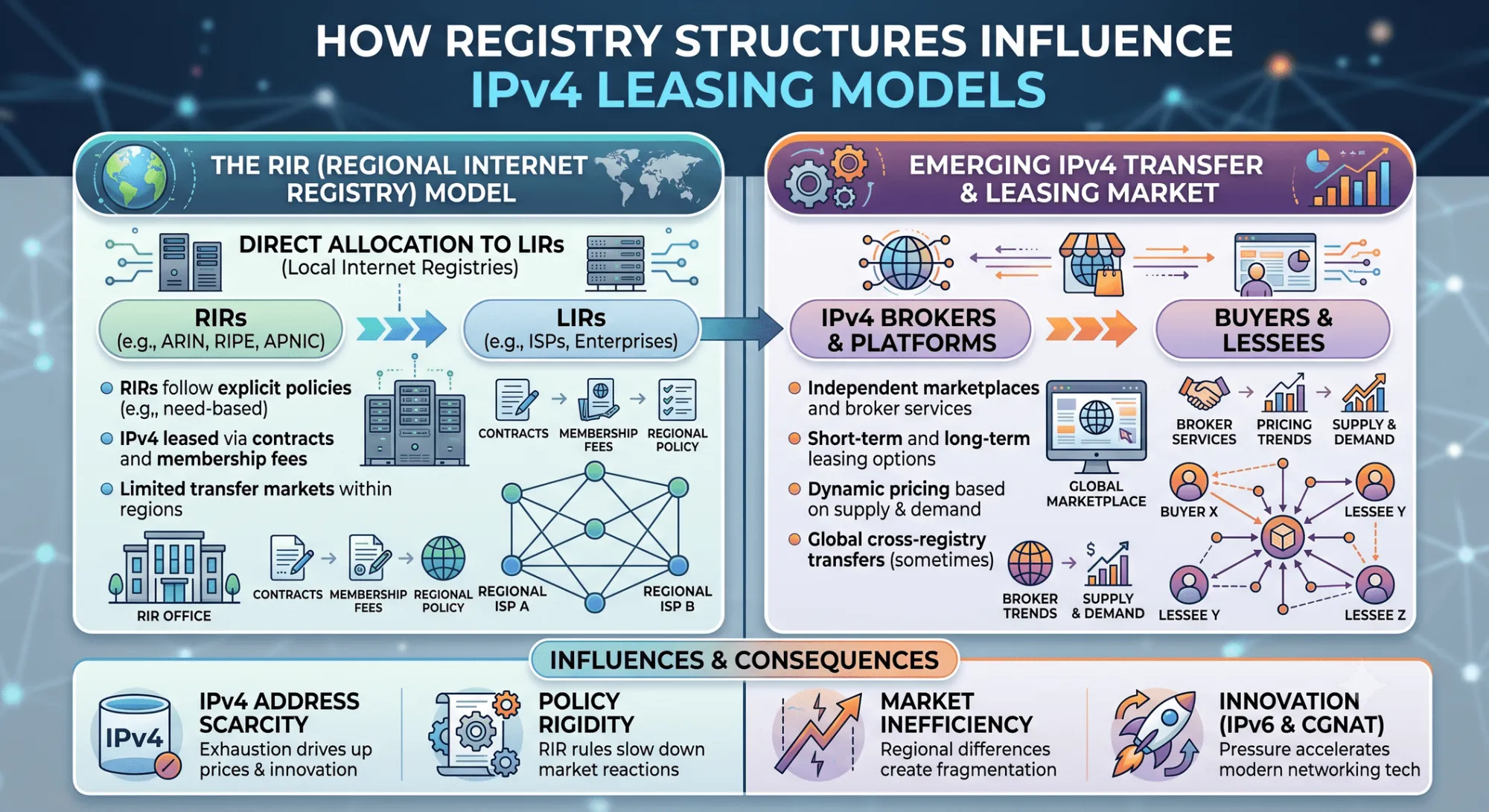
IPv4 address values are shaped not only by scarcity and demand, but also by the governance structures, operational dependencies, and institutional risk...
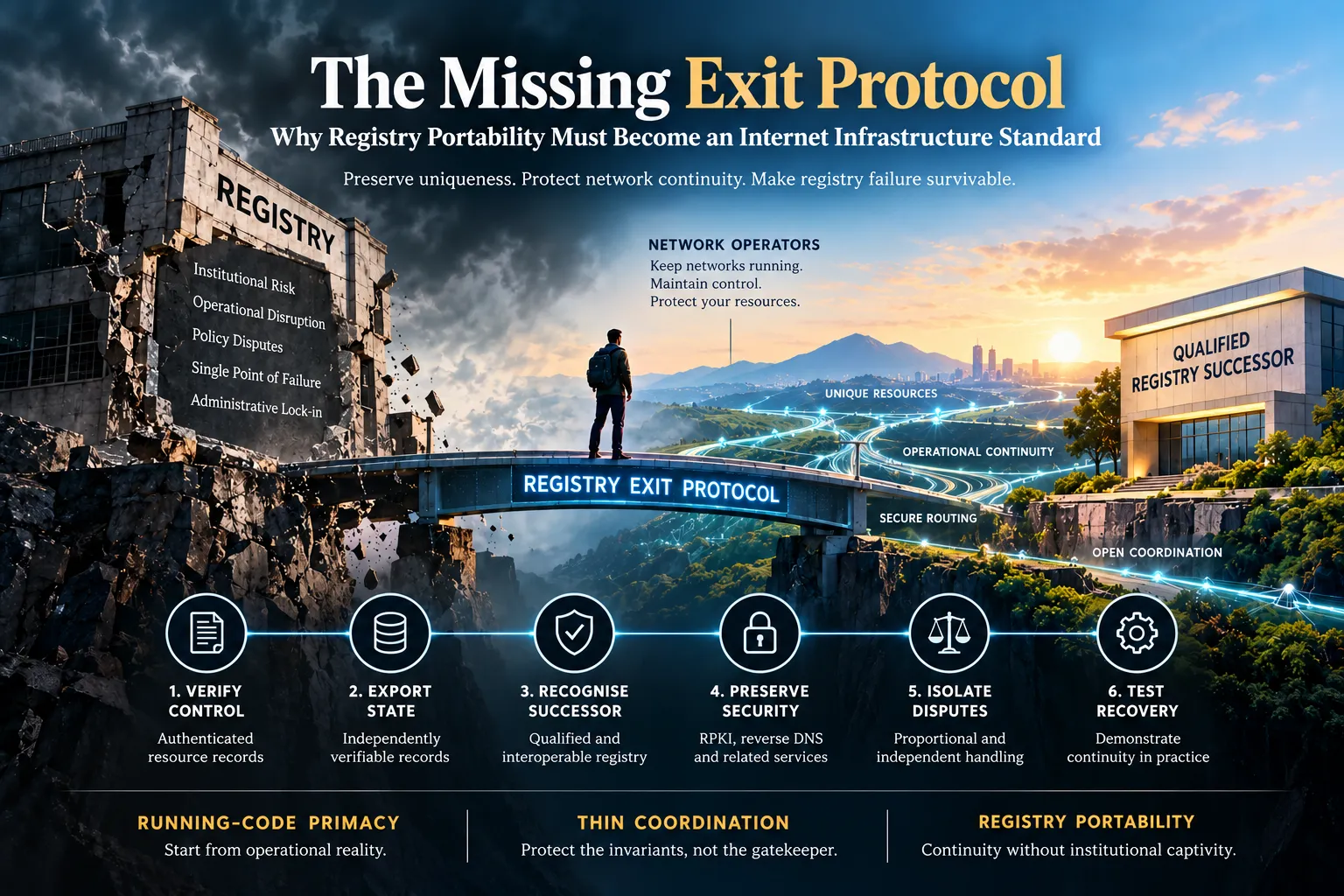
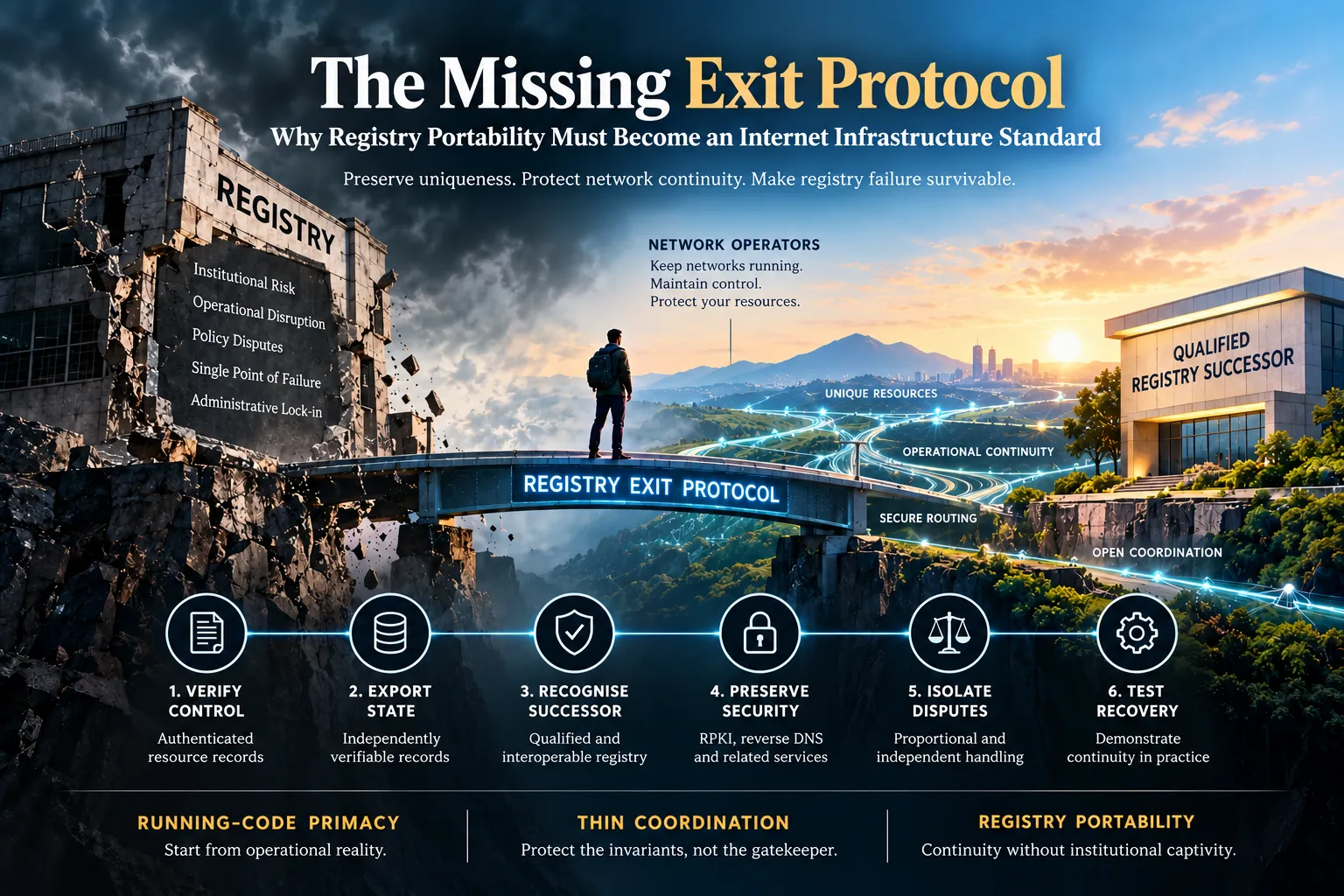
An examination of how Internet number-resource coordination can preserve network continuity, prevent institutional lock-in, and make registry failure surviva...
Obtaining an IPv4 block is only the beginning of its operational lifecycle.Before deployment, teams naturally focus on availability, address quantity, contra...
For many businesses, securing IPv4 addresses is treated as a procurement task. The organization identifies the required number of addresses, compares prices,...
When businesses think about digital risk, cybersecurity is usually one of the first areas that comes to mind.Companies invest in firewalls, endpoint pr...
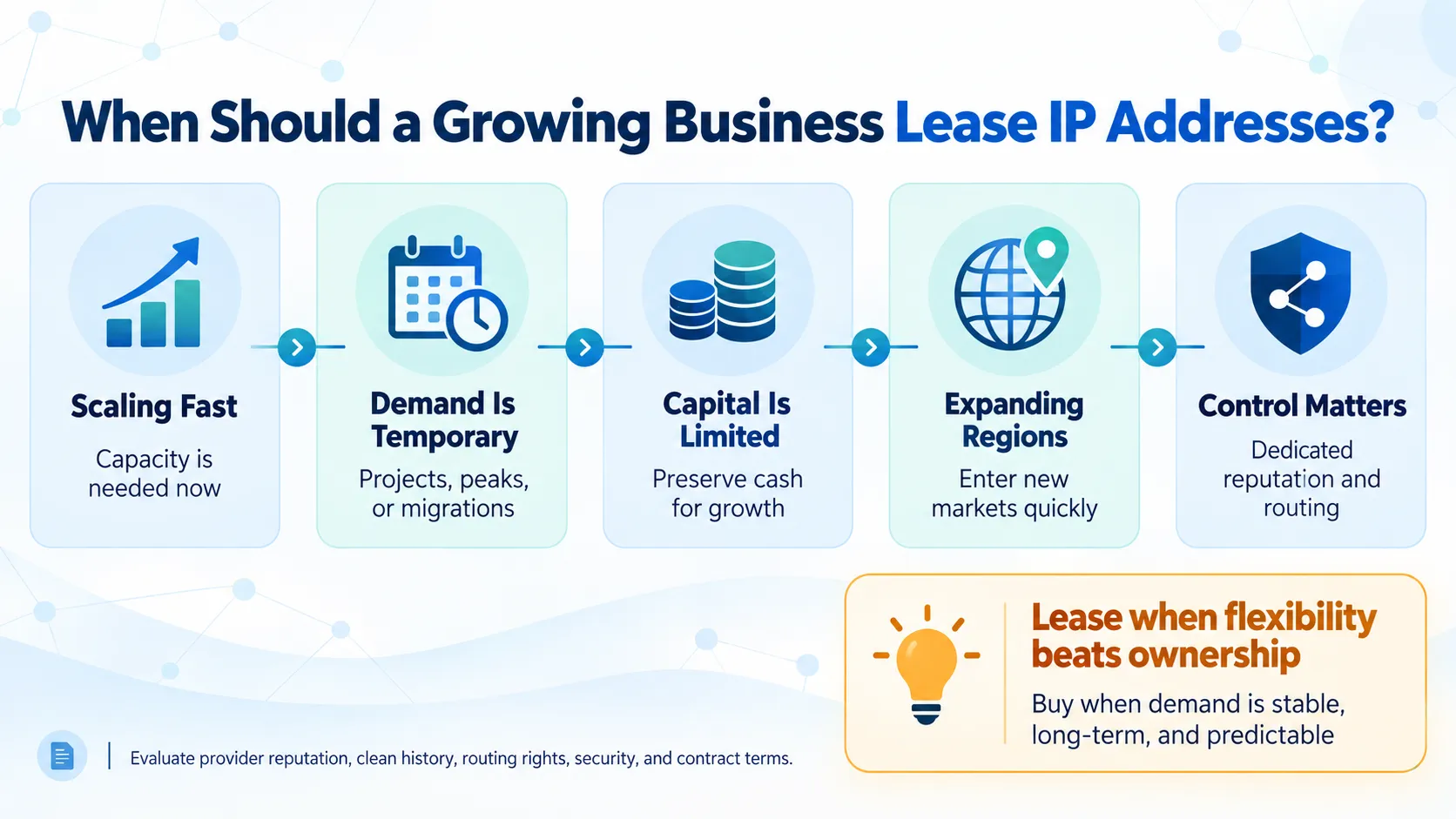
As a business expands its Internet infrastructure, public IPv4 capacity can become a practical constraint.A hosting company may need addresses for new ...
ARIN vs APNIC: What Is the Difference?ARIN and APNIC are two of the world's five Regional Internet Registries (RIRs), organizations that provide regist...
As businesses expand their online infrastructure, demand for public IP addresses can grow surprisingly quickly. New servers, customer environments, cloud ser...
IPv4 addresses have become increasingly valuable digital infrastructure assets. As available IPv4 space remains limited while businesses, hosting provi...
IPv4 leasing has become a major part of the modern internet infrastructure economy. As IPv4 addresses remain scarce, organizations increasingly rely on...
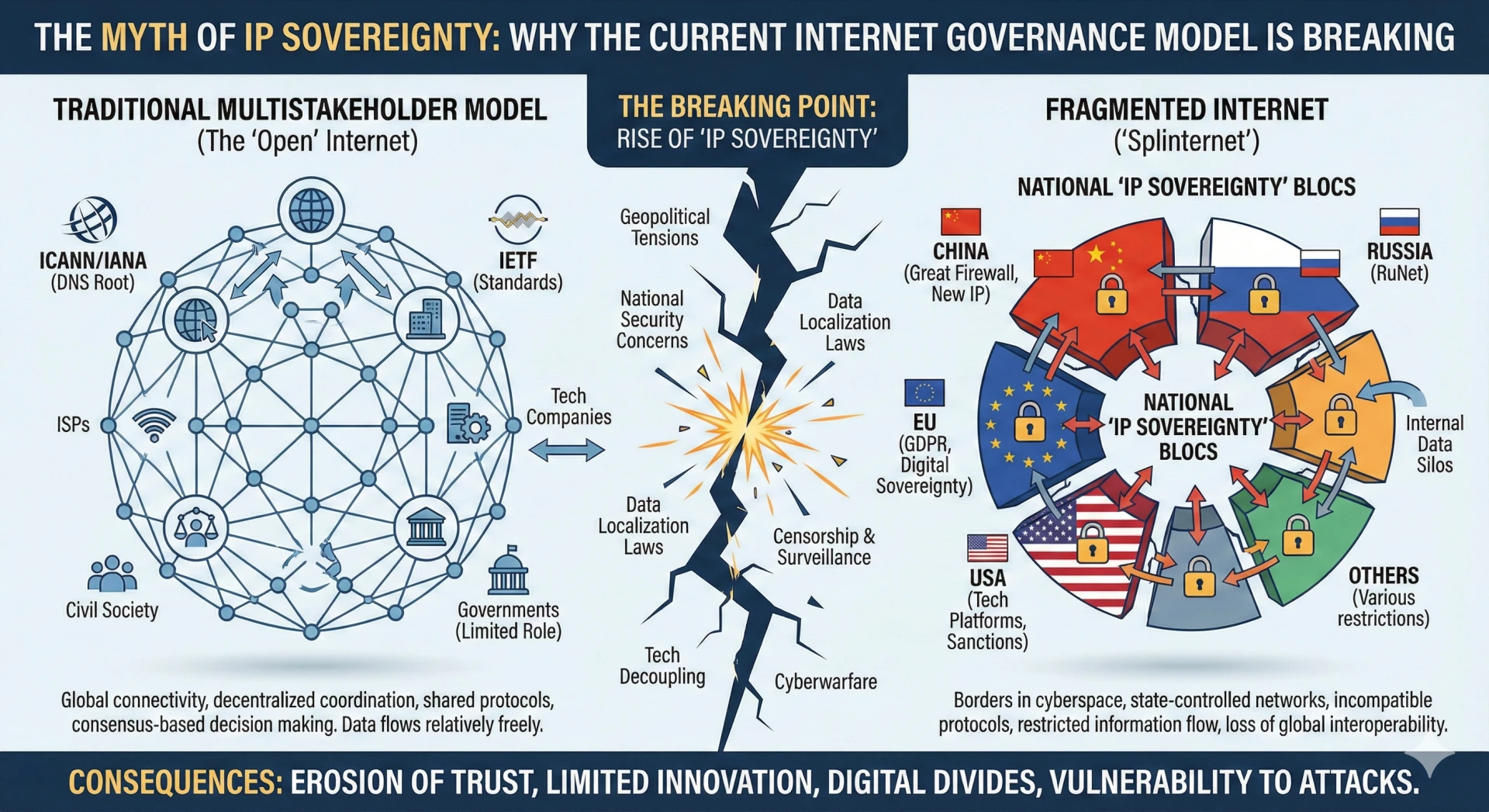
For decades, we have operated under the assumption that the internet is a borderless frontier. Yet, as digital economies grow, a new and controv
The global internet operates on a collective delusion: the belief that the governance of IP addresses—the very foundation of connectivity—is
In the digital economy, data centers have evolved far beyond mere storage hubs—they are now critical infrastructure driving global connectivity, clo
The Class C IP address plays a crucial role in the classification system of IP addresses, which aims to facilitate and regulate the distribution of in
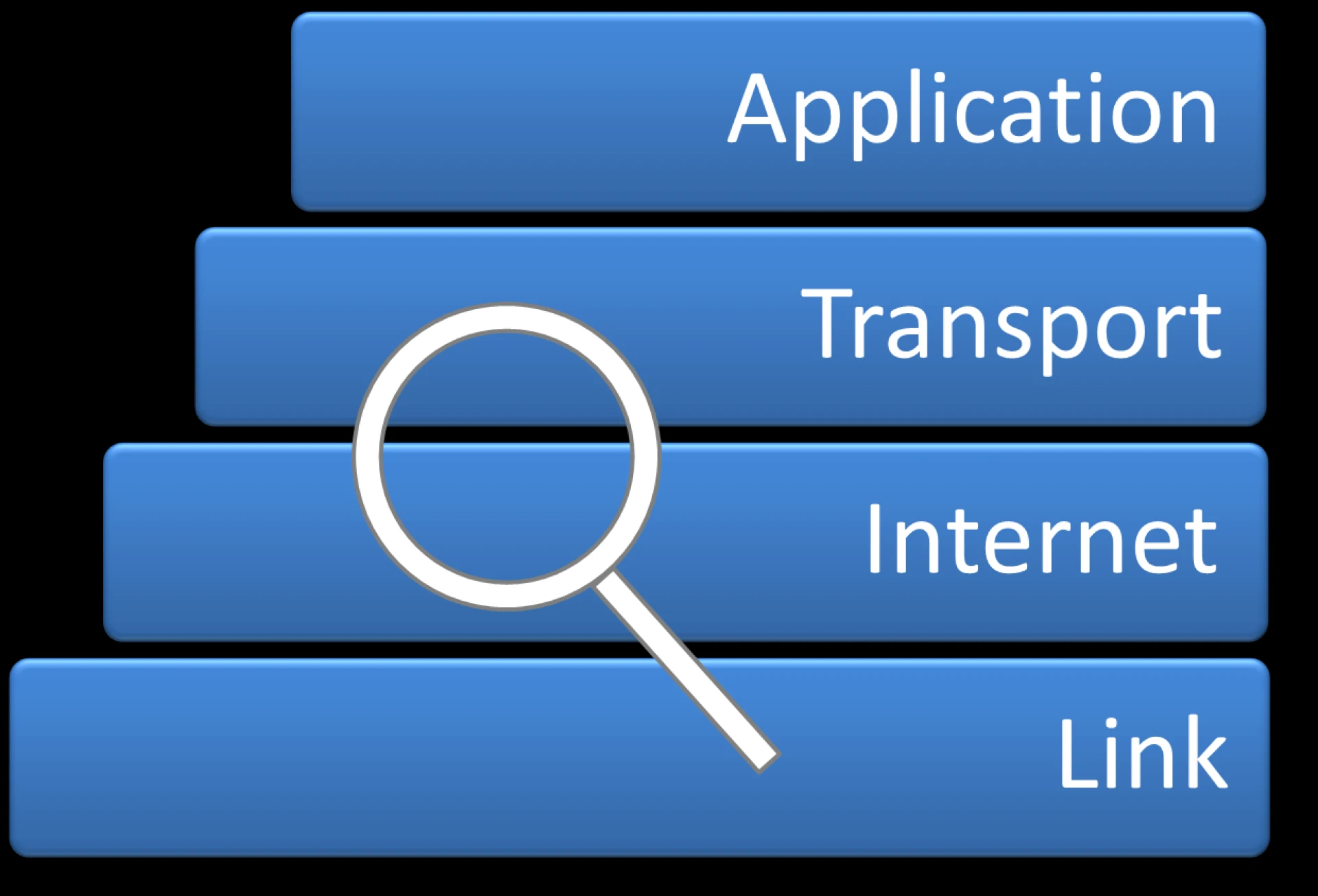
The Internet Protocol (IP) is the cornerstone of modern digital communication, serving as the backbone for how data is transmitted across the internet
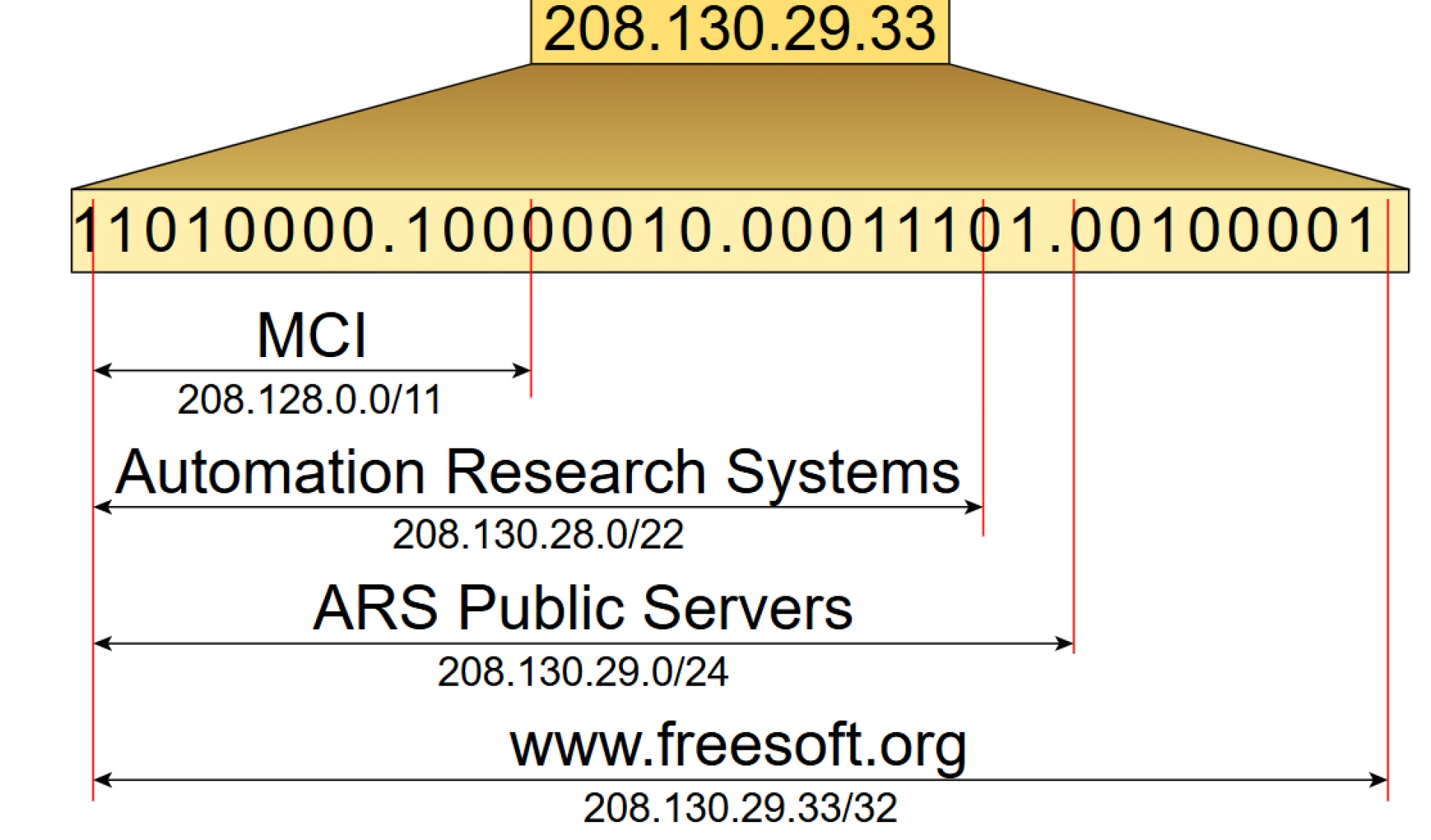
Classless Inter-Domain Routing (CIDR) is a method for allocating and managing IP addresses that improves upon the traditional class-based system. Intr