

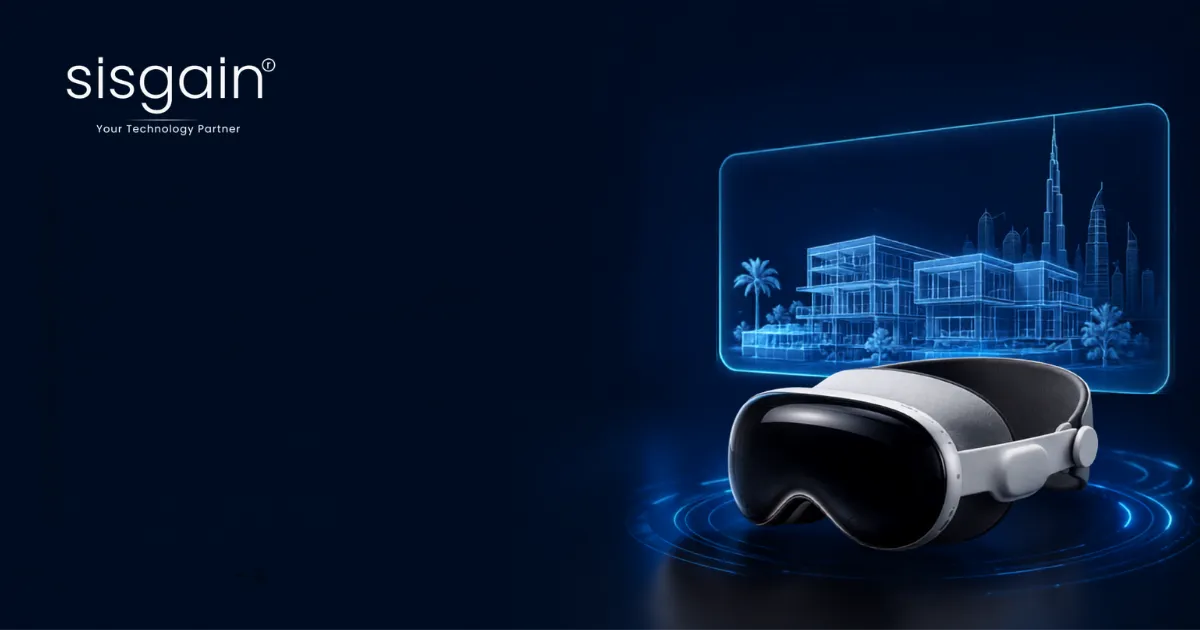
Virtual reality is something that is very on-trend at the moment and is taking over a lot of industries. Construction is one of those industries that it is impacting in a positive way. In fact, you could say that it has transformed the industry with powered access and other machinery using it to streamline projects.
How VR Is Changing Construction
VR in construction can be expensive, but the rewards it brings are certainly worth it, especially with the returns it brings. Initially, VR would’ve been used for the initial phases of the planning project. Plus, it has also improved the design of buildings, helping to pitch projects. Not to mention that it has improved training and safety, which are two important factors. Let's take a look at how VR is improving the construction industry.
Design and Pitching
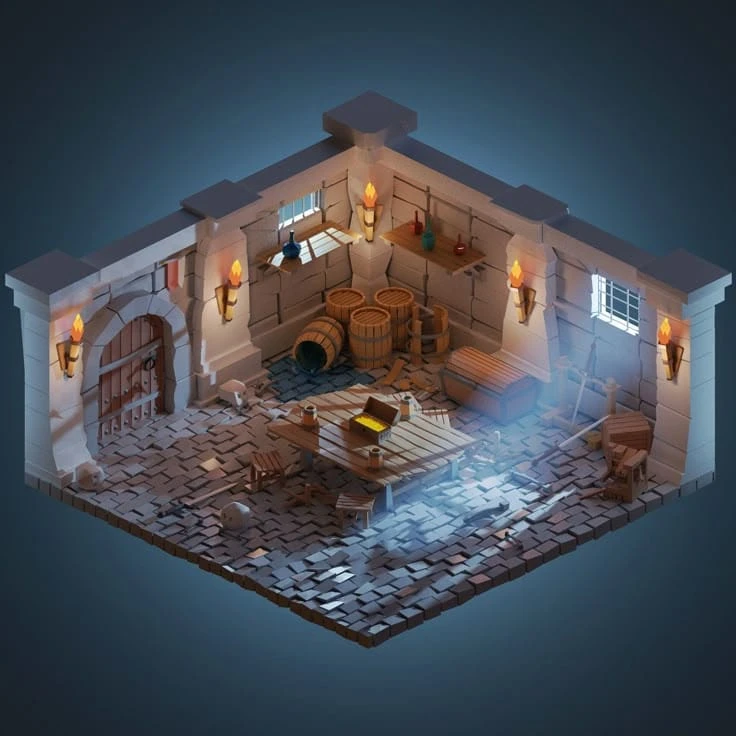
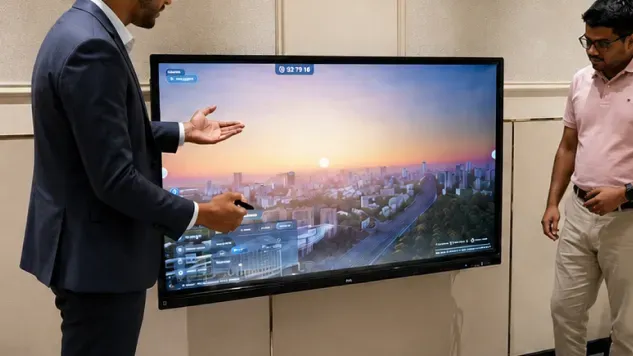
One of the great uses of AI is for both design and pitching. It helps to provide a detailed, accurate render viewer of the building or room. This is why architects and interior designers from all over the world are investing in VR to help with their pitching processes. Additionally, it helps to be more accurate with the design, as they can see the finer details when they are inside it.
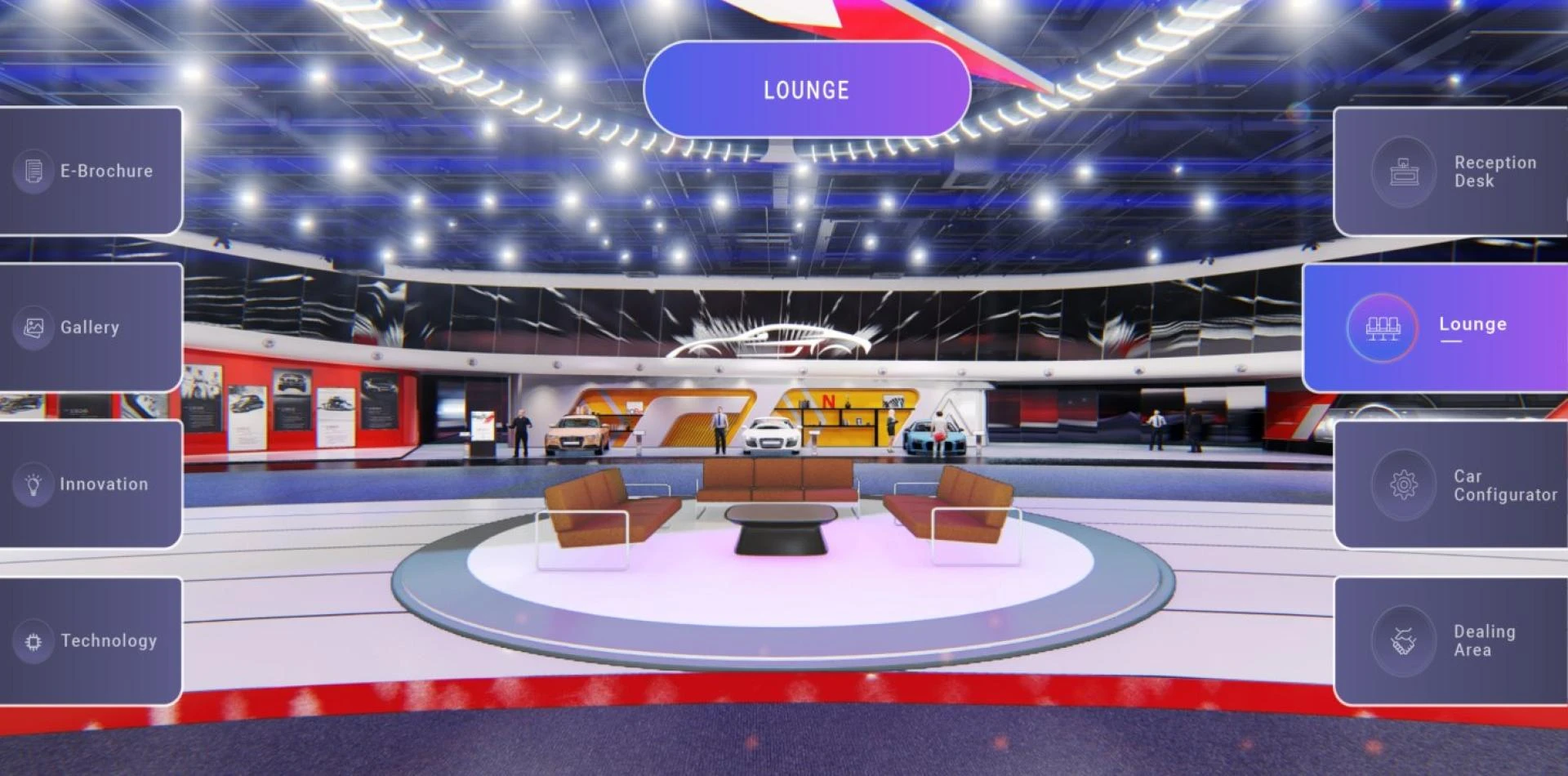
People in construction often confuse VR technology with expensive funding, but that isn’t the case. You no longer need to invest in extortionate VR headsets and instead can use your smartphone and VR accessories. Plus, you can use a desktop interface to view these 360-degree views.
Improve Training and Site Safety
Another good use of VR is to help improve site safety and training. It is essential that construction workers have the right level of health and safety training, but also know how to use certain machines and tools. These would often require a certificate, and if these certifications are not acquired, then usually, the workers would not be able to work on site. Now, VR is helping with this and improving overall site safety.
Several microlearning applications offer VR training in this particular field that helps to improve a worker’s skillset and health and safety knowledge. As mentioned before, these tools can help with anything, such as how to use a certain machine or just understanding health and safety a lot better. Plus, due to these workers gaining this level of training through VR, it reduces any damage or injuries. Not to mention, it allows for trial and error, meaning they can retake the tests with very little additional cost.
Improves Customer/Client Satisfaction
Customer satisfaction is also very important when it comes to construction and/or customer satisfaction. For example, when building apartments, the real estate agents will also need to find suitable investors. People who are willing to buy the property before it is completed. Usually, a specific design of an apartment that will be completed in the rest of the building will be finished, which will then be showcased to the client.
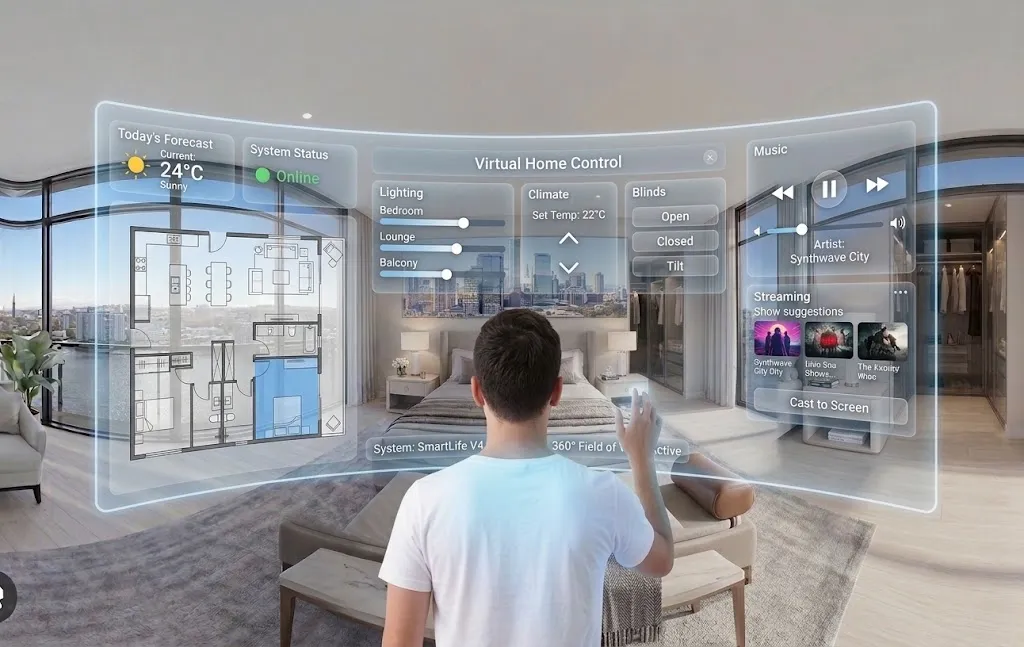
Even those people who wish to live in them can see these through a desktop as well, with a 360-degree view of the room. In fact, it is very popular for real estate companies to offer when they are looking to sell apartments. For example, apartments can be viewed on a website with a 360 view of the rooms. Essentially the same as Google Street View, where you can click around the street.
Reduce Labour Costs
One of the great benefits of VR is that it can also help to reduce construction costs. This is detrimental for construction projects because they are expensive and cost-cutting will be essential for making projects more affordable.
VR allows construction workers to control machinery off-site. This means they don’t need to spend the money on travel when going to the site. Additionally, it can allow site managers to review calculations in terms of measurements of rooms.
Deadlines
Construction projects are very likely to miss deadlines because there are so many things that can go wrong. This includes delivery delays, machinery breakdowns and overall day-to-day jobs. With VR, it is able to provide accurate 3D models which can be changed and adapted as the project goes on.
Summary
As you can see, virtual reality is making an impact in the construction industry, and it is making it far more efficient. Additionally, construction project managers have always believed that VR is expensive and doesn’t really offer anything, but as you can see, that is not the case. VR is definitely proving to be worth the investment because not only does it help with planning the project.















Sign in to leave a comment.