
Ask any experienced forklift operator what the most demanding aspect of their role is, and the answer will rarely be about the physical mechanics of operating the vehicle. It will be about awareness — the constant, exhausting mental effort of knowing where everything is, all of the time, in an environment that never stops moving. Every shift, a forklift operator must simultaneously manage their vehicle's controls, monitor their load, navigate complex routes, and maintain vigilance for pedestrians, obstacles, and other vehicles approaching from directions they often cannot directly see. This is not a job description that lends itself to complacency, and yet the tools most facilities provide their operators to manage this burden have remained fundamentally unchanged for years.
The gap between what operators are asked to do and what their equipment enables them to do is one of the most significant and underappreciated safety and productivity challenges in industrial warehousing today. Across facilities in the UK, UAE, and Kuwait, forward-thinking operations managers are closing that gap with a technology that is transforming what it means to be a situationally aware forklift operator — the bird's eye view camera system for forklift operations.

The Hidden Cost of Poor Operator Visibility
Visibility limitations do not just create accident risk — they create a sustained cognitive burden that accumulates across every hour of a working shift. When an operator cannot see their vehicle's full surroundings from a single, reliable reference point, they compensate. They crane their neck repeatedly to check mirrors. They slow down at intersections to peer around racking. They rely on other workers to spot for them in tight spaces. They hesitate before reversing, taking extra seconds to feel confident that the path behind them is clear.
Each of these compensatory behaviours is individually minor. Cumulatively, across a full shift in a busy warehouse, they represent a significant drain on both operator performance and operational efficiency. The cognitive load of managing incomplete information is genuinely fatiguing — research in human factors consistently demonstrates that mental effort sustained over time degrades reaction speed, decision quality, and attentiveness to new hazards. In an environment where a momentary lapse in attention can have serious consequences, this degradation matters enormously.
Poor visibility also has a direct and measurable impact on productivity. Every hesitation, every slow approach to a tight bay, every request for a spotter represents time lost. In high-throughput distribution environments where cycle times are tracked to the minute, these micro-inefficiencies aggregate into meaningful operational costs across a working day.
How the 360 Degree Camera System Transforms Operator Experience
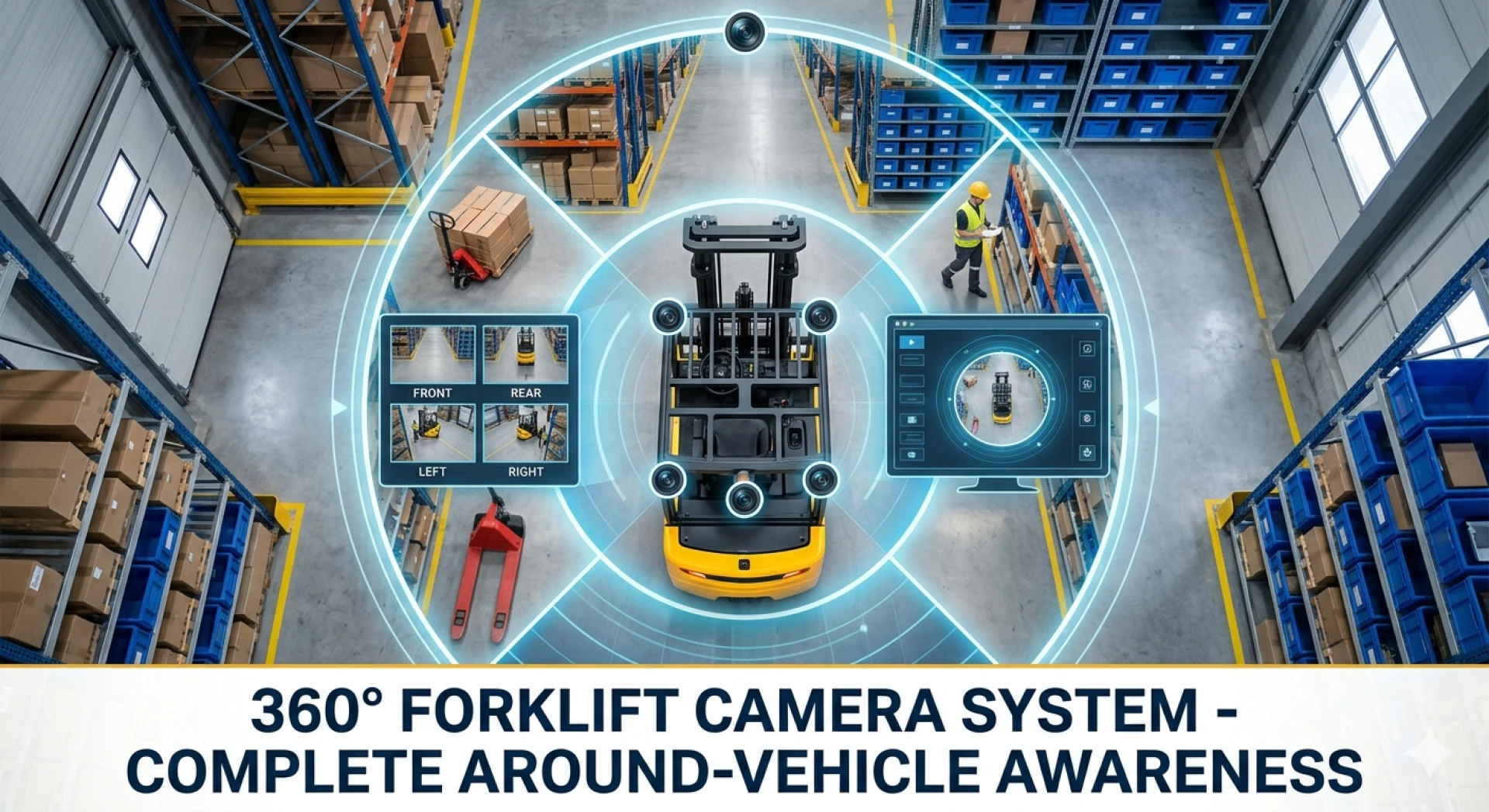
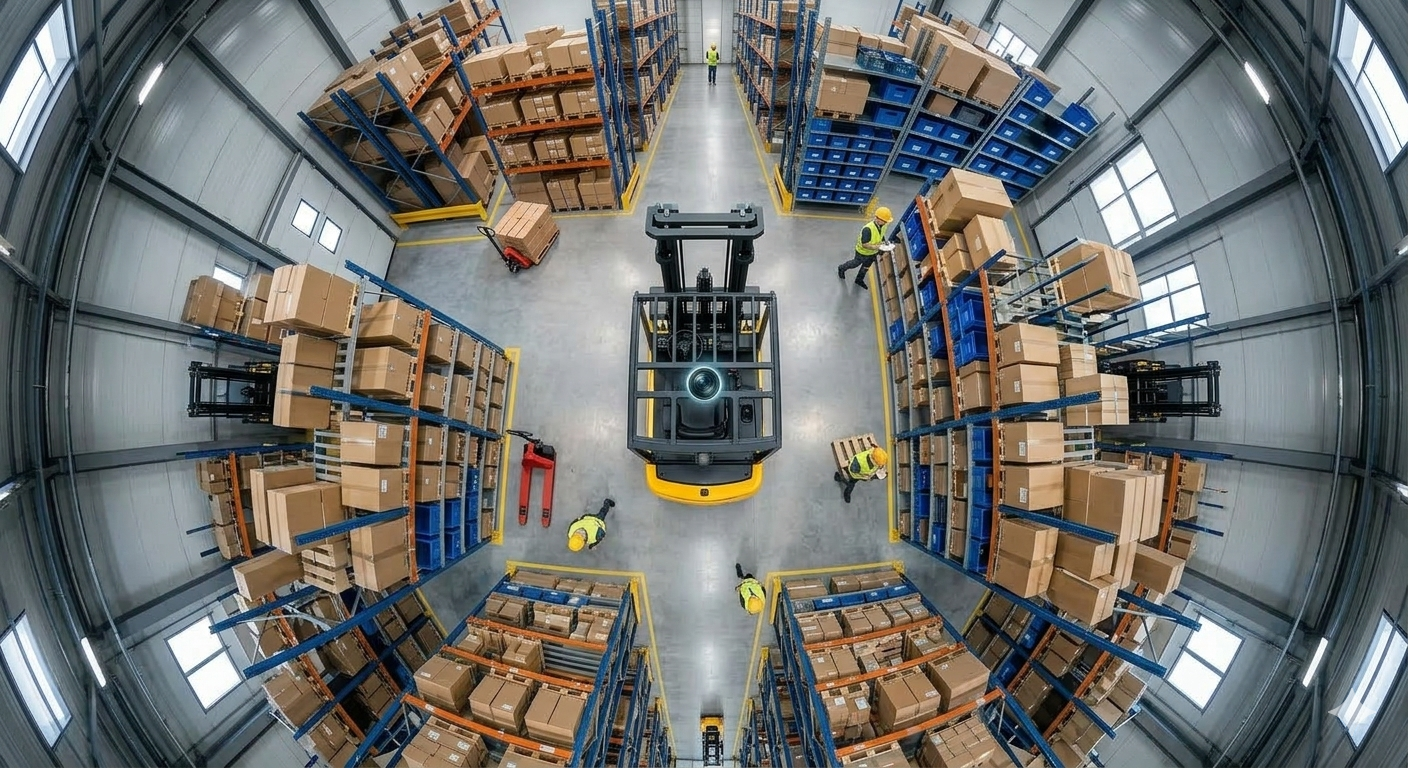
The 360 degree camera for forklift system addresses operator awareness at its source by replacing the fragmented, incomplete picture that mirrors and single-camera feeds provide with a single, unified, comprehensive view of the vehicle's entire immediate environment. Four wide-angle cameras mounted at the front, rear, and both sides of the vehicle capture simultaneous footage that is processed in real time into a seamless overhead composite image displayed on a monitor in the operator's cab.
The cognitive impact of this change is immediate and significant. Instead of mentally assembling a picture of their surroundings from multiple mirrors and camera feeds — each viewed at a different moment, from a different angle, requiring active interpretation — the operator sees a single, intuitive overhead view that shows the complete perimeter of their vehicle at a glance. The mental effort of spatial reconstruction is eliminated. The operator's cognitive resources, freed from the constant task of compensating for incomplete information, can be directed toward the higher-level demands of their role: load management, route navigation, and productive, confident vehicle operation.
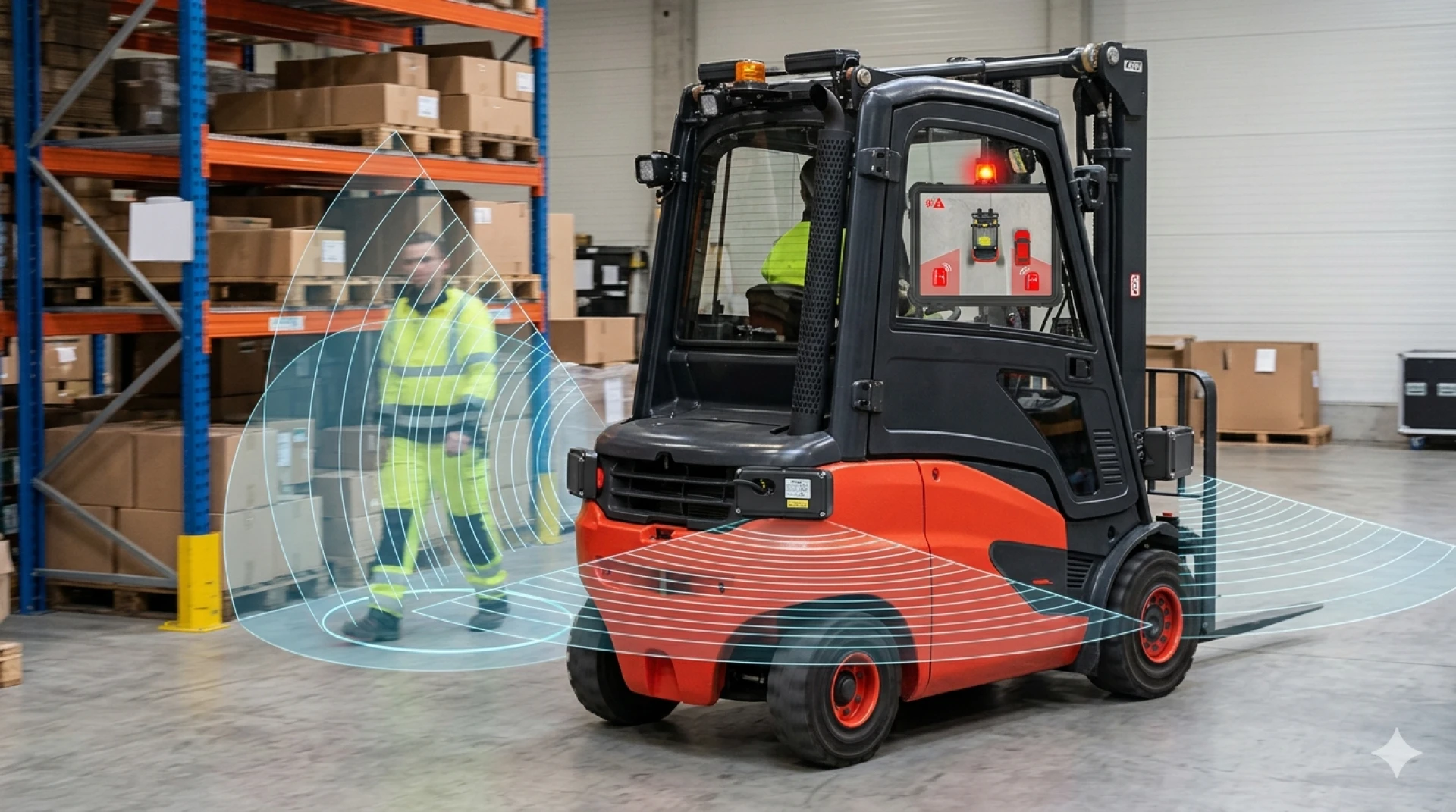
Operators who transition to working with a forklift 360° bird eye view camera system consistently report a marked reduction in the stress and mental fatigue associated with operating in complex, high-traffic environments. This subjective improvement in working experience has objective correlates — lower rates of hesitation, faster cycle times, reduced product and infrastructure damage, and fewer near-miss incidents reported across shifts.

Productivity Gains That Safety Technology Delivers
The productivity benefits of improved operator awareness deserve particular emphasis because they are frequently underweighted in safety technology evaluations that focus exclusively on accident prevention metrics. A forklift operator who can see their complete surroundings confidently manoeuvres with greater precision and speed. Reversing into a loading bay, navigating a narrow aisle, positioning forks beneath an awkwardly stacked pallet — all of these routine tasks are performed more efficiently when the operator has complete, reliable visual information available without effort.
The reduction in spotter dependency is a further productivity gain that compounds across an entire fleet. When operators can safely manage tight spaces and complex manoeuvres independently, the labour previously dedicated to manual spotting is freed for other productive tasks. In facilities running large forklift fleets across extended operating hours, this efficiency dividend is genuinely material.
Reduced vehicle and infrastructure damage is another productivity-related benefit that camera technology delivers consistently. Racking damage, product damage, and vehicle damage resulting from low-speed collisions in poor visibility conditions represent a chronic operational cost in many warehouses. The comprehensive perimeter visibility provided by the bird's eye view camera system for forklift operations directly reduces the frequency of these incidents, with corresponding reductions in repair costs, production downtime, and the administrative burden of incident documentation.
Supporting Operator Wellbeing as a Safety Strategy
There is a broader principle at work in the relationship between operator awareness and workplace safety that deserves explicit recognition. Operators who are less fatigued, less stressed, and more confident in their situational awareness are not just more productive — they are safer. The connection between operator wellbeing and safety outcomes is well established in occupational health research, and it applies directly to the forklift operating environment.
Facilities that invest in technology which genuinely reduces the cognitive burden on their operators are not simply installing hardware. They are making a statement about their commitment to the people who operate their equipment — a commitment that resonates in recruitment, retention, and the cultivation of a safety-conscious workplace culture. In regions like the UAE and Kuwait where the competition for skilled logistics personnel is intensifying alongside industrial growth, this dimension of the investment carries real strategic value.
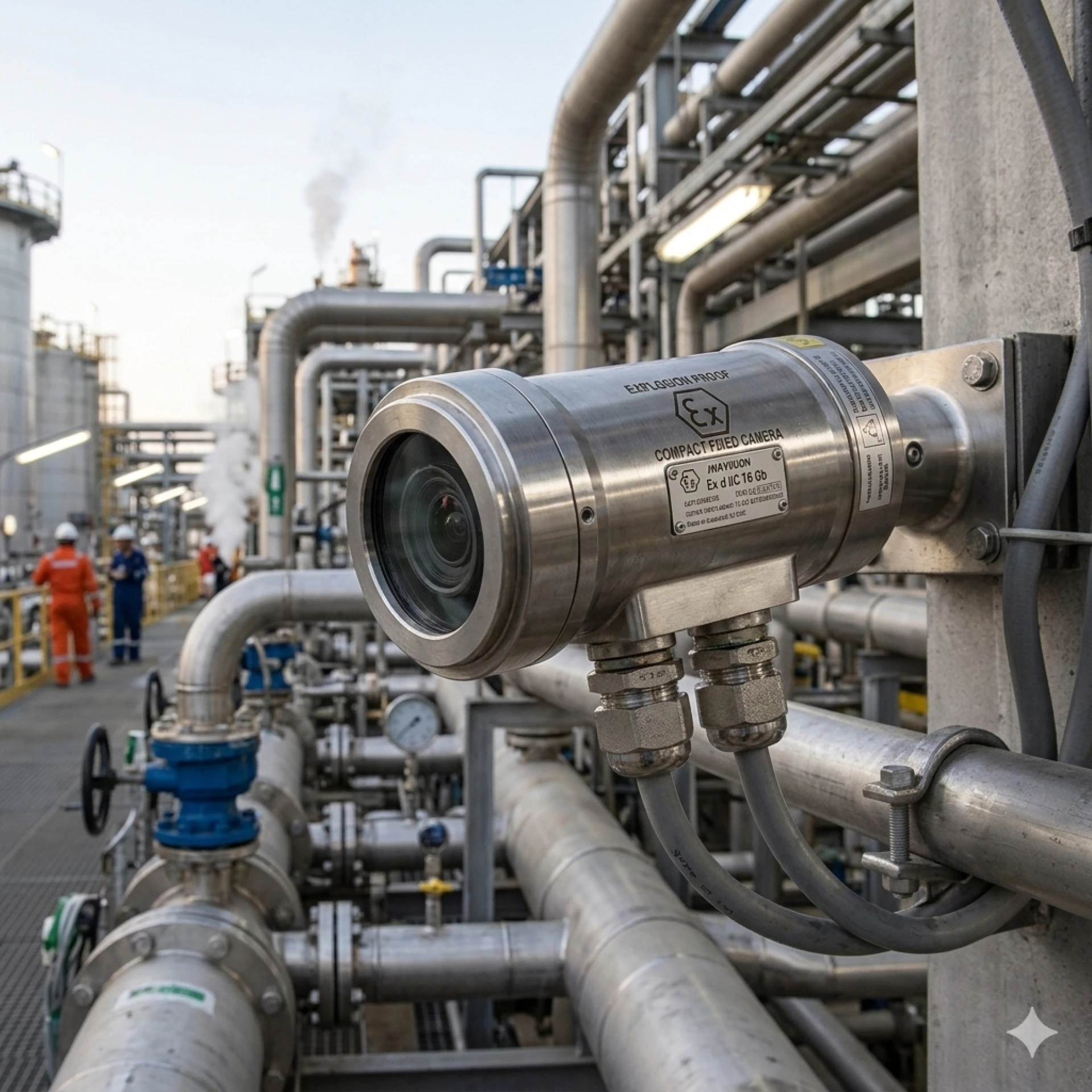
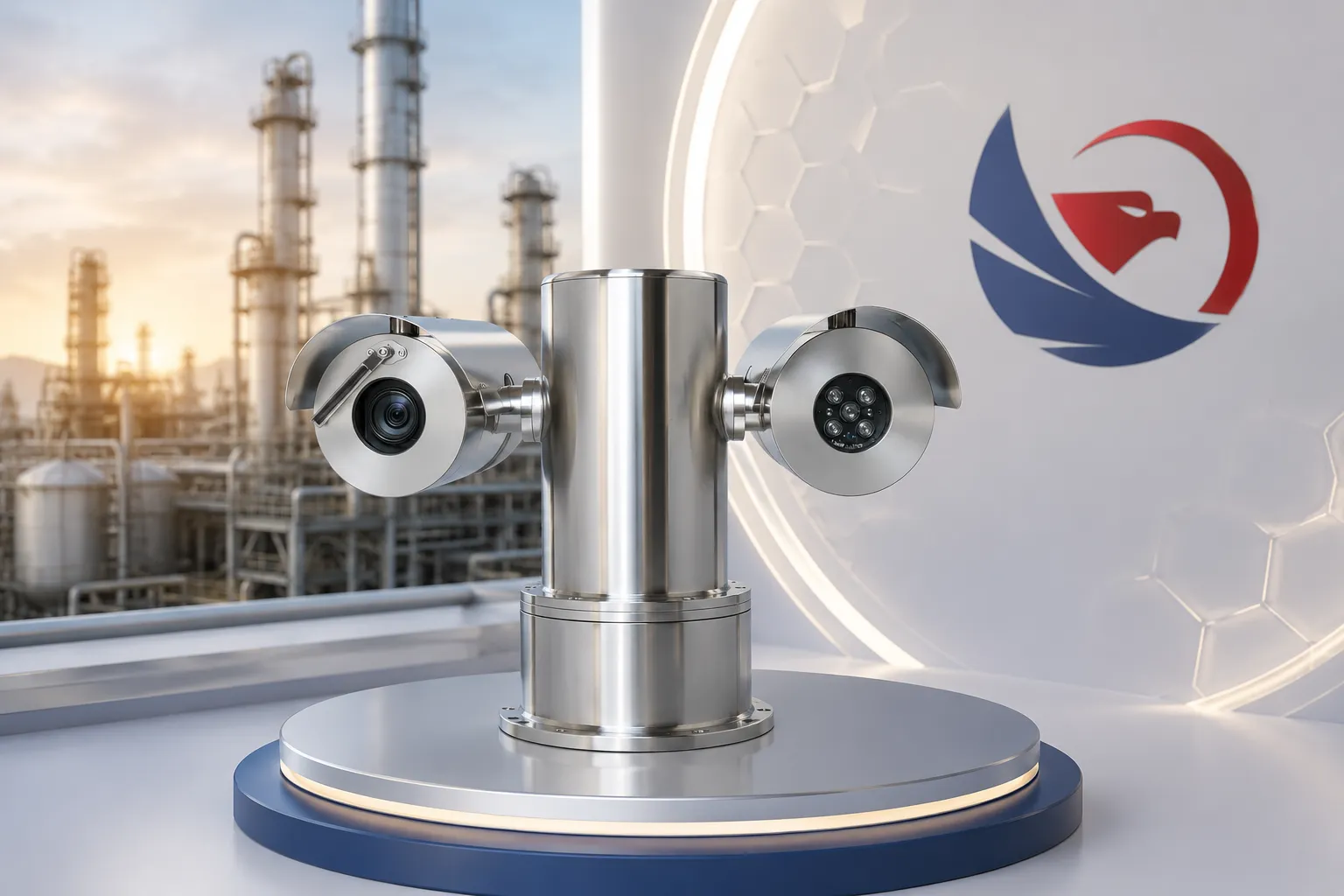
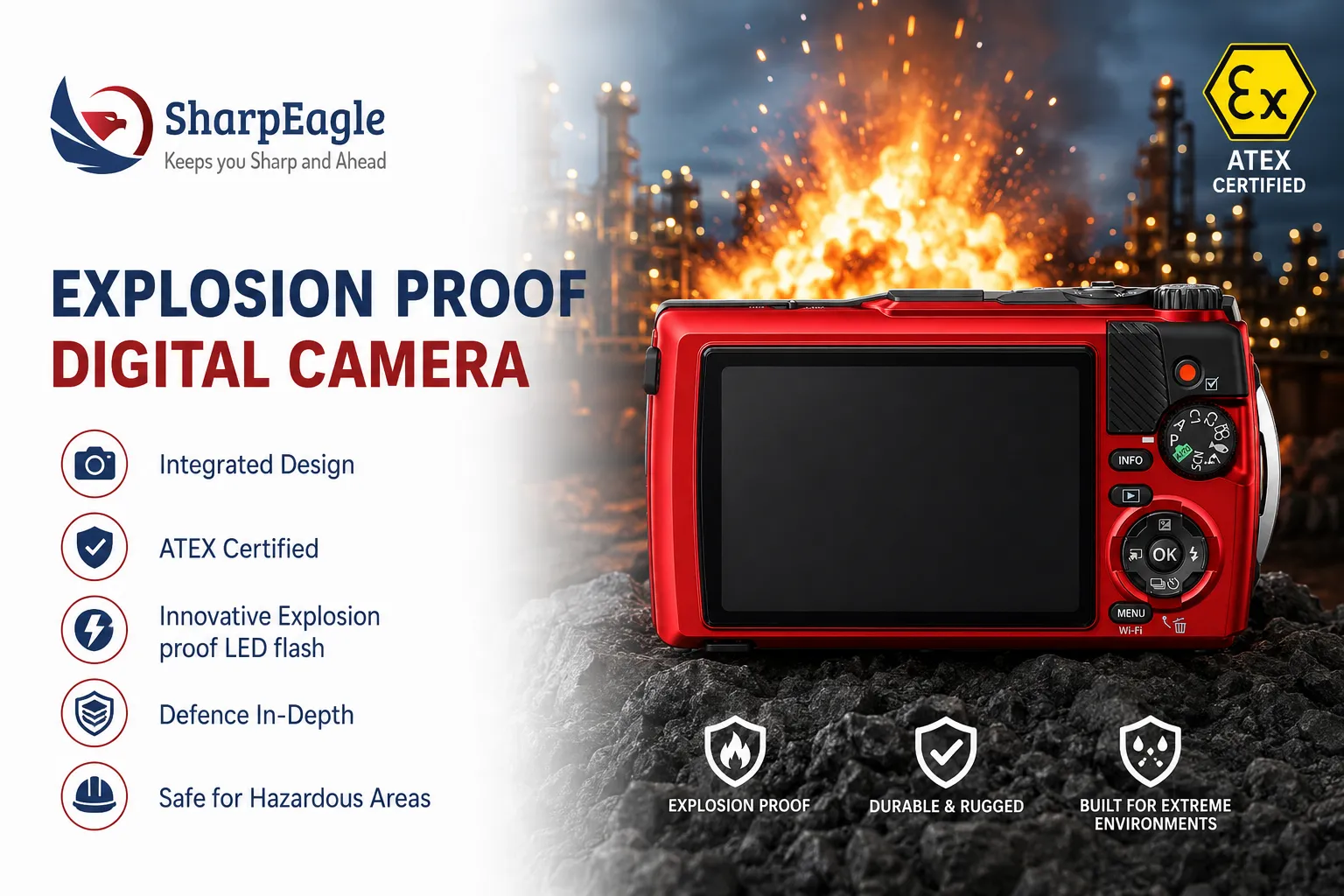
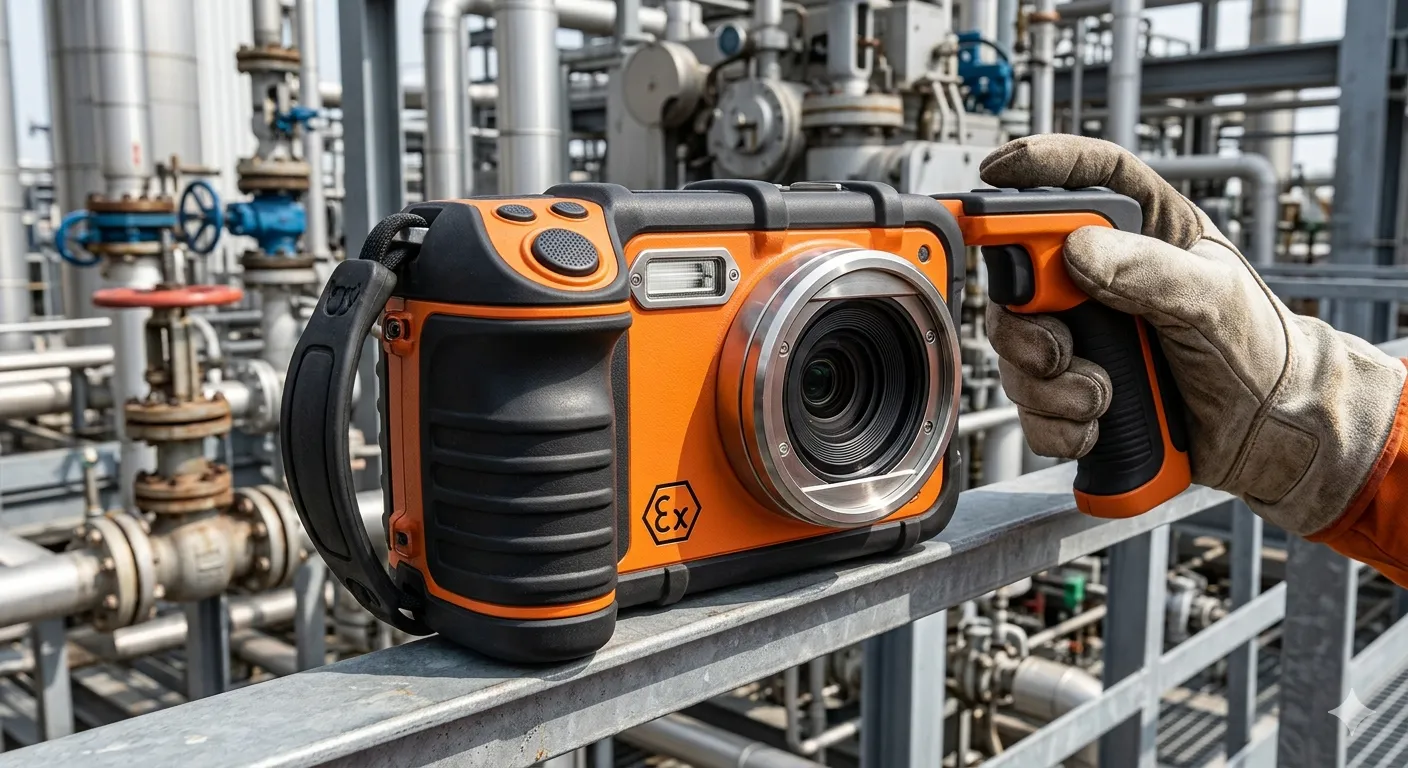
For hazardous area operations where petrochemical, energy, and chemical sector facilities require ATEX-certified equipment, SharpEagle's forklift camera solutions deliver the same comprehensive operator awareness benefits within the stringent safety standards that explosive atmosphere environments demand — ensuring that every operator, in every facility type, has access to the visibility technology they need to perform their role safely and confidently.
Conclusion
Forklift operator awareness is not simply a safety metric — it is the foundation on which safe, efficient, and sustainable industrial operations are built. The 360 degree camera for forklift platform improves awareness by replacing the fragmented, effortful visibility that conventional equipment provides with a single, unified, comprehensive view that reduces cognitive load, supports confident operation, and delivers measurable improvements in both safety outcomes and operational productivity across every shift, every day, in every facility that deploys it.
To understand why conventional camera approaches consistently fall short of what modern warehouse operations demand, read our blog post: Why Standard Forklift Cameras Fail in High Traffic Warehouses.





















Sign in to leave a comment.