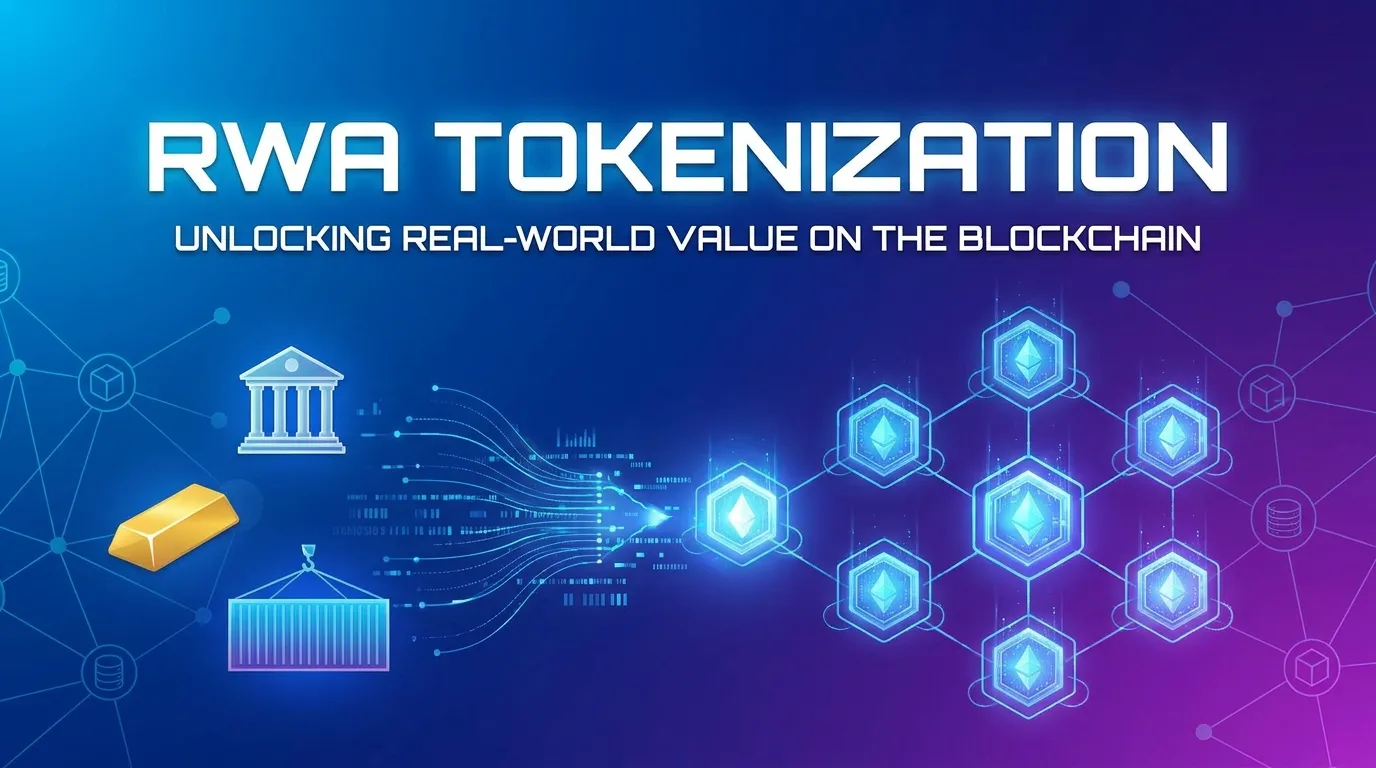

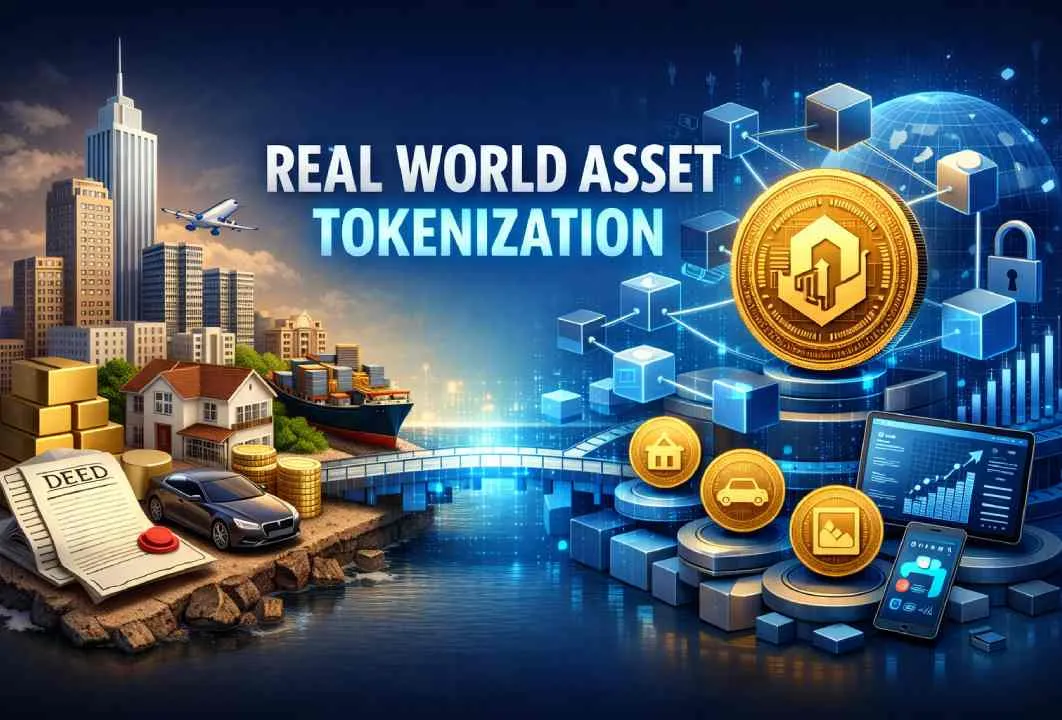
Real-world asset tokenization, often shortened to RWA tokenization, is one of the most significant developments in the evolution of blockchain-based finance. Unlike cryptocurrencies that are native to blockchain networks, RWAs represent assets that already exist outside the blockchain such as real estate, bonds, commodities, invoices, private credit, carbon credits, art, or fund shares and convert their ownership or economic rights into digital tokens. These tokens can then be issued, transferred, settled, and managed on a blockchain network.
The appeal of RWA tokenization lies in its ability to modernize traditionally slow, paper-heavy, and intermediary-driven asset markets. Many valuable assets are difficult to trade because they require manual verification, legal documentation, brokers, custodians, settlement agents, and long transfer cycles. Tokenization does not remove the legal and commercial realities behind these assets, but it creates a more efficient digital layer for representing ownership, automating compliance, enabling fractional access, and improving transparency.
The sector has moved far beyond theory. A BCG and ADDX report projected that asset tokenization could become a US$16.1 trillion opportunity by 2030, while McKinsey has noted that tokenized financial assets are shifting from early pilots toward scalable adoption across selected asset classes. Deloitte has also predicted that tokenized real estate alone could reach US$4 trillion by 2035, growing from less than US$0.3 trillion in 2024. These numbers show why institutions, fintech firms, real estate companies, asset managers, and blockchain enterprises are increasingly treating RWA tokenization as a strategic priority rather than a speculative experiment.
Why Businesses Need RWA Tokenization Development Expertise
For organizations entering this market, tokenization is not simply about creating a digital token. It requires a carefully designed ecosystem that connects legal ownership, regulatory compliance, asset custody, investor onboarding, smart contracts, payment systems, and secondary-market functionality. This is where the role of a reliable RWA tokenization development company becomes important. Businesses need technical partners that understand not only blockchain architecture but also the legal, financial, and operational workflows behind asset-backed tokens.
Professional RWA tokenization development services typically cover asset structuring, token design, smart contract development, compliance modules, investor dashboards, wallet integration, token issuance, KYC/AML processes, custody integration, and marketplace features. The quality of these components determines whether the platform can support real users, real assets, and real transactions securely.
Similarly, rwa tokenization platform development involves building a full digital infrastructure where issuers can list assets, investors can buy or trade tokens, administrators can verify documents, and compliance rules can be enforced automatically. A strong platform does not merely tokenize an asset; it creates a trusted environment where asset owners, investors, custodians, regulators, and service providers can interact with confidence.
How RWA Tokenization Works
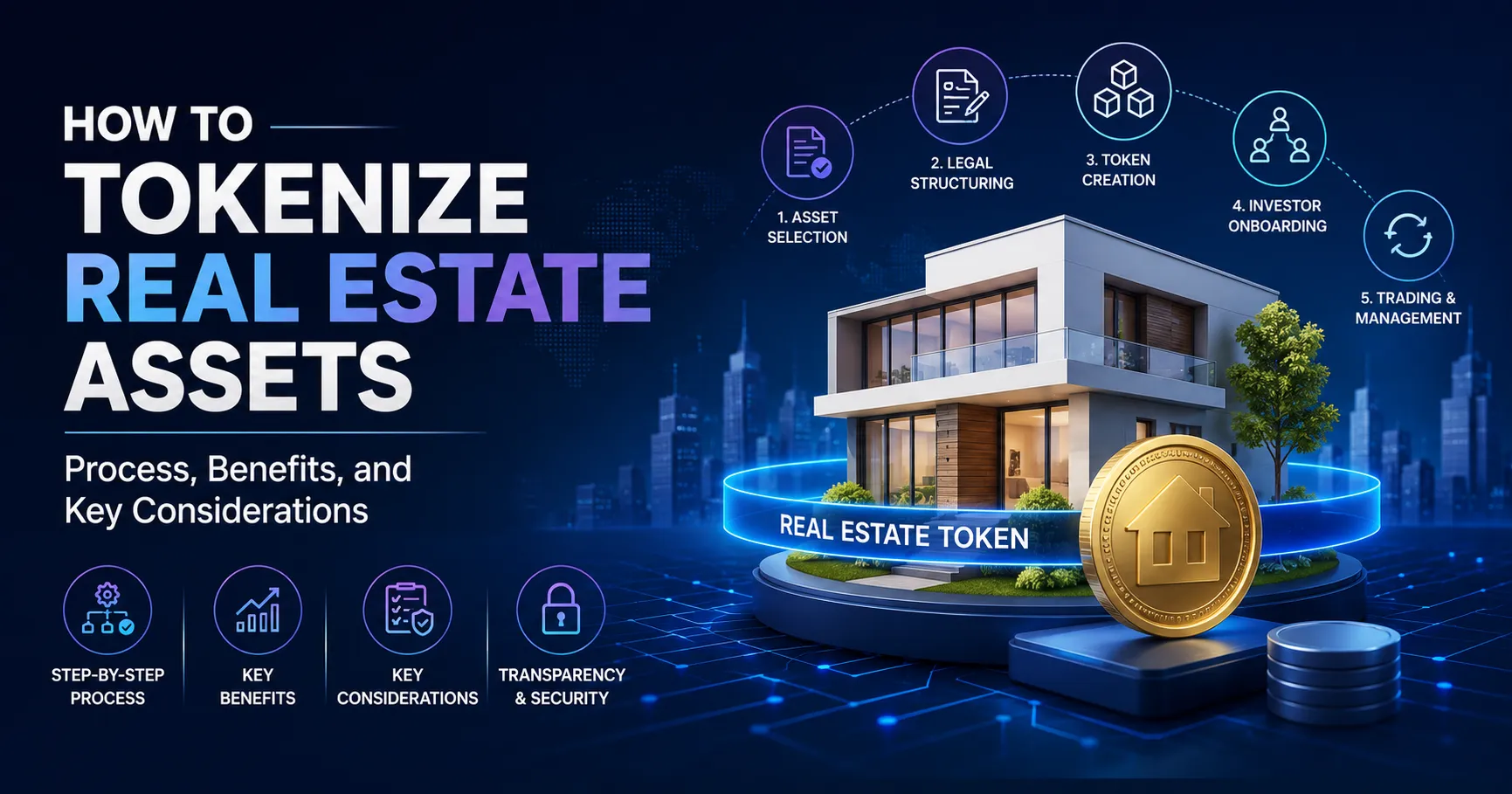
At its core, RWA tokenization begins with identifying an asset and defining what the token actually represents. A token may represent direct ownership, fractional ownership, revenue rights, debt claims, fund units, or access to a future cash flow. This distinction is critical because the legal claim behind the token determines investor rights, regulatory obligations, redemption rules, and dispute-resolution mechanisms.
Once the asset is selected, it must be legally structured. For example, a real estate property may be placed into a special purpose vehicle, and tokens may represent shares or economic rights in that vehicle. A tokenized Treasury product may represent exposure to government securities held by a regulated custodian. A private credit token may represent claims on a pool of loans. In every case, the blockchain token must be connected to enforceable off-chain rights.
The next step is valuation and verification. Before tokens are issued, the asset must be appraised, audited, documented, and verified. This may involve property valuation reports, title checks, reserve audits, loan documentation, insurance records, custodian agreements, or financial disclosures. Without reliable verification, tokenization risks becoming a digital wrapper around an uncertain or poorly documented asset.
After the legal and valuation layers are defined, developers create smart contracts. These smart contracts govern token issuance, transfers, supply limits, ownership records, dividend distribution, redemption, burning, and compliance restrictions. Unlike ordinary crypto tokens, RWA tokens often require permissioned transfer logic. This means only verified investors may be allowed to hold or trade the token, depending on jurisdiction and asset type.
Finally, the platform integrates user-facing features such as investor onboarding, dashboards, wallets, payment gateways, document management, reporting tools, and admin panels. The objective is to make asset issuance and investment simpler while preserving the controls required for regulated financial products.
The Development Process of an RWA Tokenization Platform
The development process usually starts with business analysis and asset feasibility. Not every asset is suitable for tokenization. Highly illiquid assets with unclear ownership, weak documentation, uncertain valuation, or unresolved legal claims can create problems. Strong candidates are assets with identifiable ownership, reliable valuation, predictable income streams, and clear investor demand.
Once feasibility is confirmed, the next phase is legal and compliance planning. RWA tokenization operates at the intersection of securities law, property law, tax rules, investor protection, and financial regulations. The platform must support KYC, AML screening, investor accreditation checks, jurisdiction-based restrictions, transfer controls, and reporting obligations. In many cases, tokenized assets are treated as securities, meaning they require careful regulatory structuring.
The technical architecture comes next. Developers decide whether the platform should use a public blockchain, private blockchain, or hybrid model. Public blockchains offer transparency, composability, and wider ecosystem access. Private or permissioned networks offer more control, privacy, and institutional comfort. Hybrid models are common because they combine on-chain token records with off-chain legal documents, custodial systems, and compliance databases.
Smart contract development is one of the most important stages. Contracts must be secure, upgradeable where appropriate, and audited before deployment. A flaw in token logic could affect ownership records, transfer permissions, or investor funds. Therefore, rigorous testing and third-party audits are essential.
The platform then moves into integration and user experience design. A successful tokenization platform must be usable by both issuers and investors. Issuers need tools to upload asset documents, configure token terms, manage distributions, and track investors. Investors need a smooth interface to complete verification, review disclosures, purchase tokens, monitor holdings, and request redemptions. Admins need oversight tools for compliance, transaction monitoring, and asset reporting.
The final stages include security testing, deployment, regulatory review, user training, and ongoing maintenance. Tokenization platforms are not “build once and forget” systems. They require continuous updates for compliance, blockchain upgrades, cybersecurity, investor reporting, and new asset classes.
Key Benefits of RWA Tokenization
One of the strongest benefits of RWA tokenization is fractional ownership. Traditionally, high-value assets such as commercial real estate, private funds, infrastructure projects, and fine art require large capital commitments. Tokenization allows these assets to be divided into smaller digital units, potentially giving more investors access to markets that were previously limited to institutions or high-net-worth individuals.
Another major benefit is improved liquidity, although this must be understood carefully. Tokenization can make assets easier to transfer, but liquidity depends on investor demand, regulatory permissions, market infrastructure, and secondary trading access. Recent academic research has emphasized that tokenization and actual tradability are not the same thing; some tokenized assets remain thinly traded despite being represented on-chain. This is an important reality for issuers: blockchain can reduce friction, but it cannot automatically create a liquid market.
Transparency is another advantage. Blockchain records can provide a clear audit trail of token issuance, transfers, ownership changes, and certain asset-related events. For investors, this can improve confidence. For issuers, it can reduce reconciliation burdens. For regulators and auditors, it can create better visibility into market activity.
RWA tokenization can also improve settlement efficiency. Traditional asset transfers may take days because of manual paperwork, broker coordination, custodial updates, and banking delays. Tokenized assets can support faster settlement, programmable compliance, and automated distribution of income. For example, tokenized Treasury funds have gained traction partly because investors value faster operations and blockchain-based transparency in a familiar, low-risk asset category.
Cost efficiency is another long-term benefit. By automating investor onboarding, ownership records, payment distribution, and compliance checks, issuers may reduce administrative overhead. However, cost savings are strongest when platforms are properly integrated with legal, custody, payment, and reporting systems.
Real-World Use Cases of RWA Tokenization
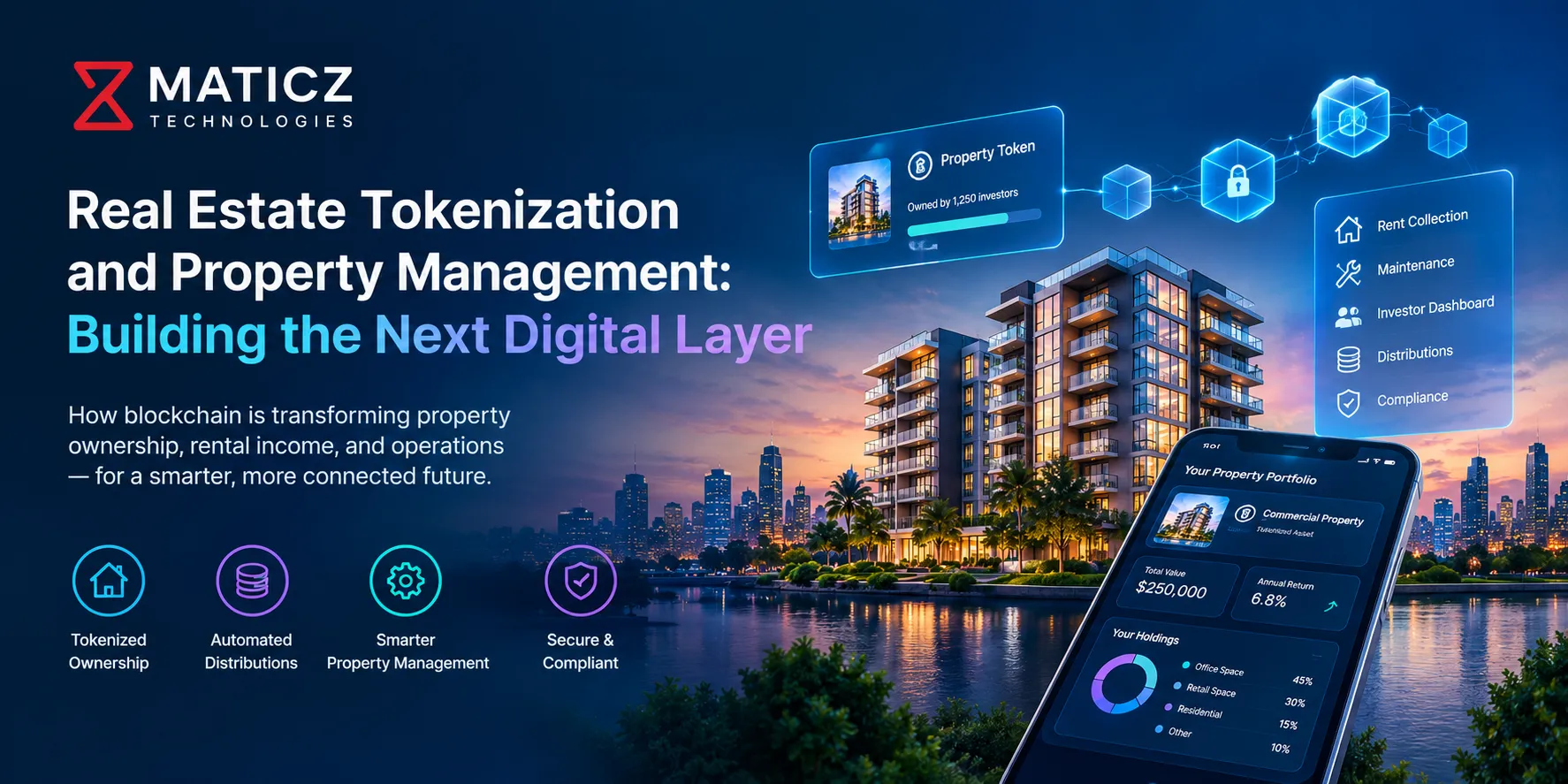
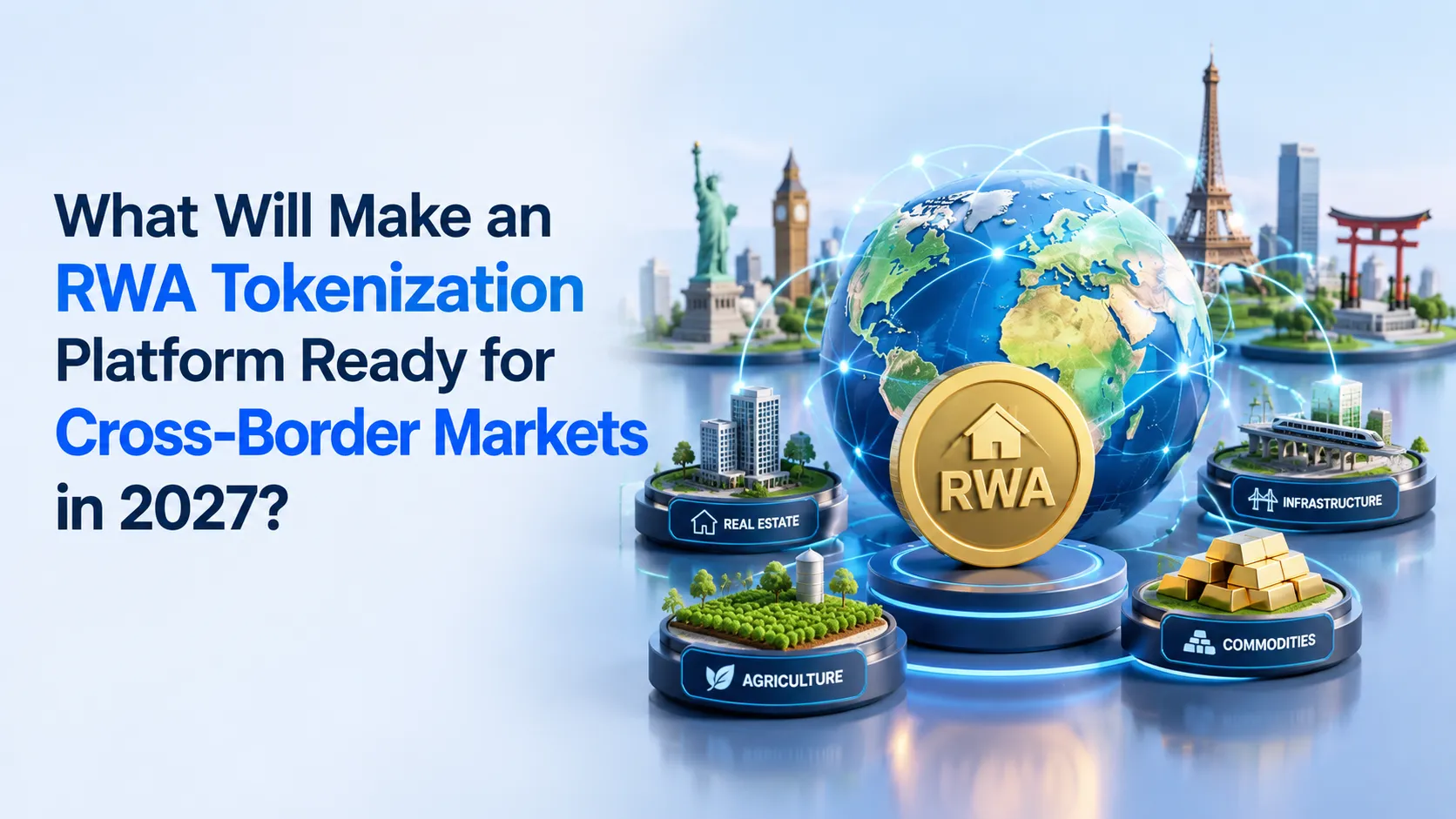
Real estate is one of the most discussed use cases. A commercial building, residential property, or rental portfolio can be tokenized so investors can purchase fractional exposure. This can help property owners raise capital without selling the entire asset and give investors access to rental income or appreciation. However, real estate tokenization requires strong title verification, property management, valuation, and legal structuring.
Tokenized bonds and Treasuries are currently among the most successful institutional use cases. RWA.xyz data shows tokenized U.S. Treasuries have reached multibillion-dollar scale, with distributed value reported at over US$15 billion. BlackRock’s BUIDL fund, launched with Securitize, surpassed US$1 billion in assets under management in 2025, demonstrating that major financial institutions see real value in on-chain financial products.
Private credit is another fast-growing area. Businesses can tokenize loan portfolios, invoices, trade finance assets, or revenue-based financing products. Investors receive exposure to income-generating debt instruments, while borrowers may access alternative funding channels. This use case is attractive because private credit markets are large but often opaque and inaccessible.
Commodities such as gold, silver, oil, and agricultural products can also be tokenized. In these cases, tokens are typically backed by physical reserves held by custodians. The main challenge is proving that the reserves exist, are properly insured, and match the circulating token supply.
Other emerging use cases include tokenized carbon credits, intellectual property rights, luxury assets, art, music royalties, infrastructure projects, and investment funds. Each use case has different requirements, but the common goal is the same: to make ownership, transfer, and management of real-world value more efficient through blockchain infrastructure.
Challenges and Risks to Consider
Despite its promise, RWA tokenization faces important challenges. Regulation is the biggest. Since many tokenized assets resemble securities, issuers must comply with financial laws in every jurisdiction where tokens are offered or traded. A platform that works in one country may not be legally suitable in another.
Custody is another challenge. The token is only as credible as the asset backing it. If the underlying asset is poorly custodied, overvalued, disputed, or mismanaged, the token’s value can collapse. This is why audits, reserve verification, legal documentation, and trusted custodians are essential.
There is also the “oracle problem.” Blockchains cannot automatically know what happens in the real world. They need trusted data feeds to confirm asset values, payments, defaults, reserve balances, or ownership changes. Poor oracle design can create inaccurate reporting or flawed smart contract execution.
Finally, market education remains necessary. Many investors still confuse tokenization with cryptocurrency speculation. A well-designed RWA project must clearly explain investor rights, risks, redemption rules, fees, liquidity limits, and asset performance.
Conclusion
RWA tokenization is reshaping how real-world assets can be issued, accessed, transferred, and managed in the digital economy. Its true value lies not in simply putting assets on-chain, but in combining legal enforceability, secure smart contracts, transparent records, compliance automation, and user-friendly investment infrastructure. As institutional adoption grows across Treasuries, real estate, private credit, commodities, and funds, businesses need experienced partners that can build reliable and regulation-ready solutions. For enterprises planning to enter this space, Blockchain App Factory provides best services by offering end-to-end expertise in tokenization strategy, platform development, smart contracts, compliance integration, and scalable blockchain solutions that help businesses confidently [explore practical solutions] in the RWA ecosystem.
FAQs
1. What is RWA tokenization?
RWA tokenization is the process of converting ownership rights or economic interests in real-world assets into blockchain-based digital tokens. These assets can include real estate, bonds, commodities, invoices, private credit, art, or investment funds.
2. Why is RWA tokenization important?
It improves access, transparency, settlement efficiency, and fractional ownership in markets that are traditionally illiquid or difficult to enter. It can also reduce administrative friction by automating compliance, transfers, and investor reporting.
3. What assets can be tokenized?
Common tokenized assets include real estate, U.S. Treasuries, corporate bonds, private credit, commodities, carbon credits, fund shares, intellectual property, luxury assets, and revenue-generating contracts.
4. Is RWA tokenization legally valid?
It can be legally valid when properly structured. The token must be connected to enforceable ownership rights, compliant documentation, verified custody, and applicable securities or asset regulations.
5. What makes a successful RWA tokenization platform?
A successful platform requires secure smart contracts, strong compliance systems, asset verification, investor onboarding, custody integration, transparent reporting, payment support, and a user-friendly interface for issuers, investors, and administrators.


























Sign in to leave a comment.