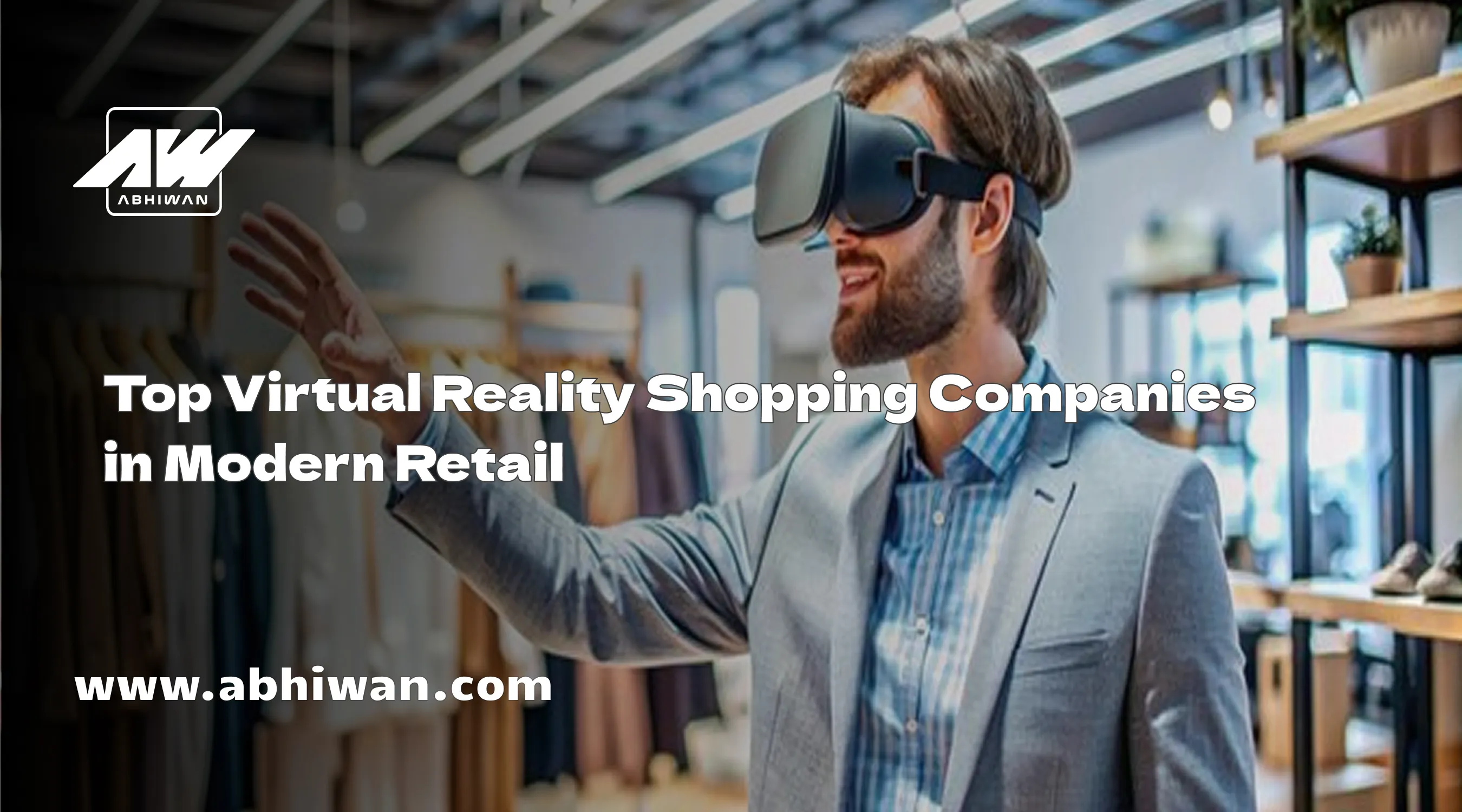

Virtual reality shopping creates a new online shopping experience because it transforms regular product searching into a complete immersive experience. Customers can now use digital platforms to explore products in a way that resembles shopping at actual stores instead of viewing static pictures and reading product descriptions. The new approach enables brands to establish stronger connections with their audiences through improved audience engagement techniques. Retailers use immersive technology because it has become more available to create better shopping experiences while meeting growing customer expectations. The new method creates different levels of convenience and product customization from fashion items through electronic devices. Today, companies provide more than products because they create experiences that shape consumer purchasing choices.
What is Virtual Reality Shopping?
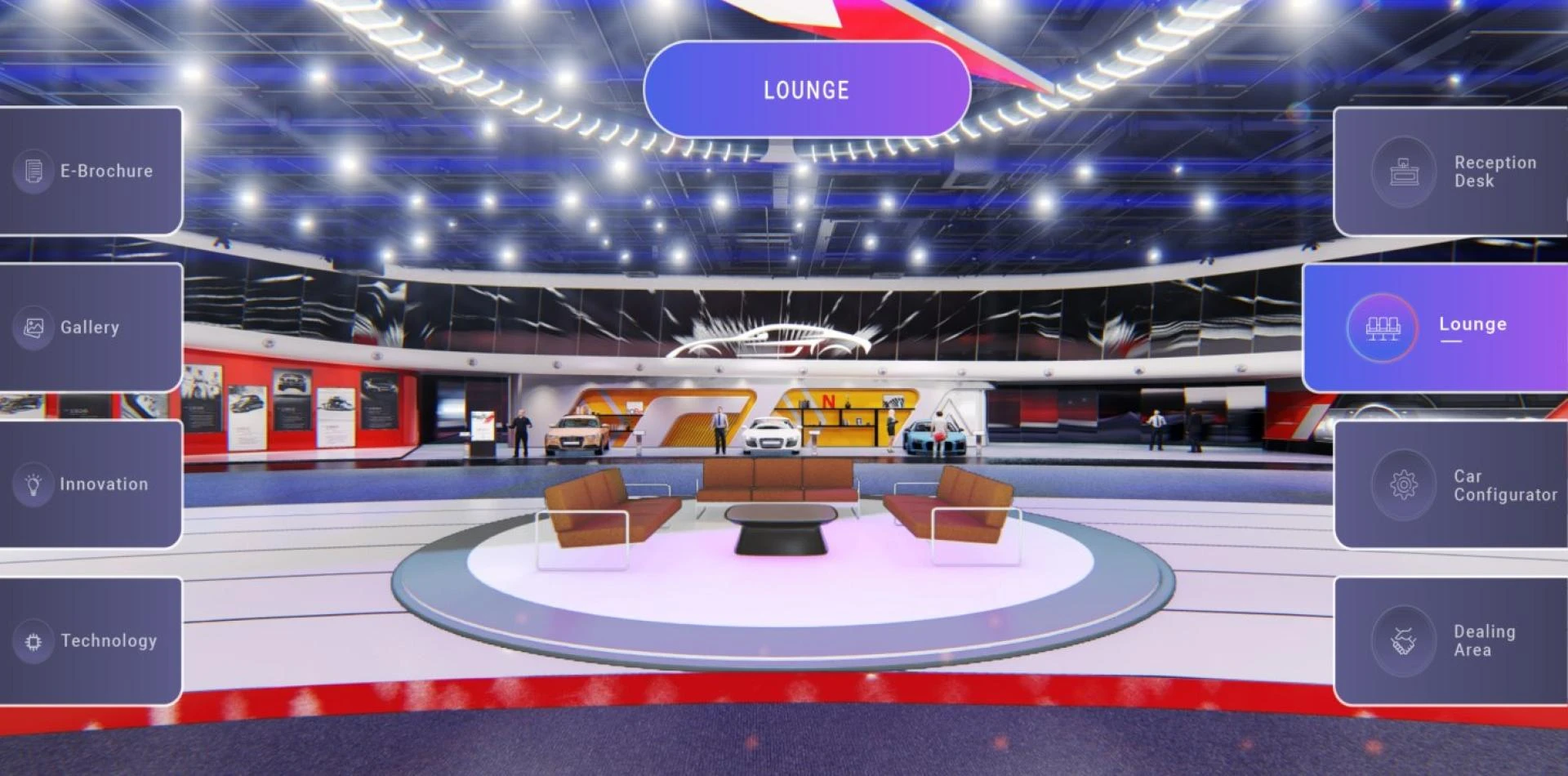
Virtual reality shopping enables customers to explore products through a complete digital simulation that accurately mirrors an actual retail store. The shopping experience becomes more interactive through Customer movement in the aisles and their ability to interact with products and view items from different angles, which exceeds standard online shopping methods. This method enables users to interact dynamically with products through product customization, which helps them understand product details before making their buying decision. The platform provides accessibility to users through its compatibility with VR headsets, desktops, and mobile devices. The customer experience improves through personalized recommendations and smooth checkout processes, which enable customers to make secure, knowledgeable, and enjoyable buying choices.
Key Elements of Virtual Stores and VR Retail Store Experiences
Key elements that define immersive retail ecosystems.
Virtual Stores
Businesses create virtual stores that replicate actual store layouts but permit designers to create flexible shopping experiences through their design and navigation systems. The virtual environments create interactive product discovery experiences, which enable customers to shop. The system enables brands to develop their visual merchandising through various creative design options.
VR Retail Store
A VR retail store allows customers to experience products through live interactive systems, which provide more authentic product experiences. Customers can explore items closely and even simulate real-life usage scenarios. The process helps customers understand products better while it establishes trust in their buying decisions.
Virtual Reality Store
The virtual reality store uses user behavior data to create customized shopping experiences, which improve customer interaction. The system provides personalized product recommendations together with user-friendly site navigation. This approach establishes a complete and enjoyable shopping experience.
Product Interaction
Customers have the ability to rotate products, while they can also zoom in on products and customize their viewing experience. Users can better assess products through this interactive capability. The system helps customers to make purchasing decisions with greater confidence.
Cross-Platform Access
The experiences are available through VR headsets, desktops, and mobile devices. This solution enables businesses to expand their market reach. The system enhances both accessibility and operational efficiency.
Integrated Checkout
The environment contains built-in systems that provide secure and easy-to-use checkout processes. Customers can complete purchases without leaving the virtual space. The process enables smoother customer experiences, which lead to higher rates of conversion and sales.
Benefits of Virtual Reality Shopping for Modern Retail Businesses
Why companies are investing in immersive retail solutions.
Better Engagement
Virtual reality shopping keeps users engaged for longer periods because it provides them with interactive experiences. The result of this process creates better brand recognition with customers while improving their customer satisfaction levels. The process results in a higher probability of customer purchases.
Reduced Returns
When customers better understand products through immersive interactions, they make more accurate decisions. The return rates experience a reduction. The solution provides businesses with benefits that include decreased operational expenses.
Global Accessibility
Many brands now establish virtual stores to enable their international expansion activities. The business model enables companies to access customers in different geographical locations. A virtual reality store enables brands to enhance their digital visibility and make their content more accessible.
Improved Personalization
Advanced analytics tracks user behavior to deliver tailored recommendations. The shopping experience becomes better for every customer through this process. The system also provides benefits through which user participation increases.
Cost Efficiency
Businesses can reduce costs associated with physical stores. Instead, companies have a scalable alternative in the form of virtual environments. It makes expansion more comfortable.
Future-Ready Strategy
Investing in immersive technology enables brands to advance their digital commerce operations. The technology provides organizations with a competitive advantage. The solution enables businesses to establish enduring connections with their clientele.
Top Virtual Reality Shopping Companies
Leading innovators shaping modern retail experiences.
Abhiwan Technology
Abhiwan Technology creates advanced virtual reality shopping platforms that provide retailers with complete virtual shopping experiences. The company provides solutions that enable businesses to construct virtual stores and interactive shopping environments. The company combines metaverse technology with its digital commerce solutions to create future-ready digital commerce platforms.
ScienceSoft
ScienceSoft offers virtual reality shopping solutions that create interactive shopping experiences through their realistic virtual environments. The platforms enable VR retail store creation by providing users with advanced analytics capabilities. The company works to enhance customer understanding while increasing business conversion rates.
4Experience
4Experience develops innovative virtual reality shopping platforms that enable users to experience products through interactive virtual environments. The company designs interactive solutions that combine storytelling elements with accessible user interfaces. The company assists brands in designing digital retail experiences that customers will find engaging and remember.
Novacimmerz
Novacimmerz provides virtual reality shopping solutions together with augmented reality systems that enable better product visualization and customer interaction. The platforms help brands to create interactive shopping spaces that enhance customer participation. They concentrate on providing solutions that can grow with business requirements.
Yudiz
Yudiz creates virtual reality shopping applications that convert traditional e-commerce into interactive shopping experiences. Their solutions enable customers to experience products through direct interaction. The organization concentrates its efforts on three main areas, which include performance and usability as well as innovation.
Skylink India
Skylink India develops VR shopping platforms that enable users to create interactive yet accessible shopping experiences. Their solutions help businesses expand their digital presence. The company designs its products to enable customers to use them effortlessly while they interact with the system.
Modic Global
Modic Global delivers creative virtual reality shopping solutions that meet the current requirements of retail businesses. Their platforms use advanced technology to create modern design elements. The company helps businesses achieve market differentiation through its services.
Mercury Minds
Mercury Minds develops virtual reality shopping solutions and visual commerce systems that improve how products are displayed. Their platforms enable better customer interactions, which help users understand products. The company wants to increase both customer engagement and sales results.
Quytech
Quytech creates virtual reality shopping applications that can grow in functionality to meet customer needs. Their products create user experiences that flow smoothly and maintain user interest throughout. The company specializes in providing advanced skills for creating immersive technology experiences.
Marxent
Marxent stands as the top company that provides virtual reality shopping solutions for furniture and home decor brands. Their platforms enable customers to see products as they would appear in actual environments. This process helps customers feel more assured about their purchases, and it decreases the rate of product returns.
Industry Trends in Virtual Reality Shopping
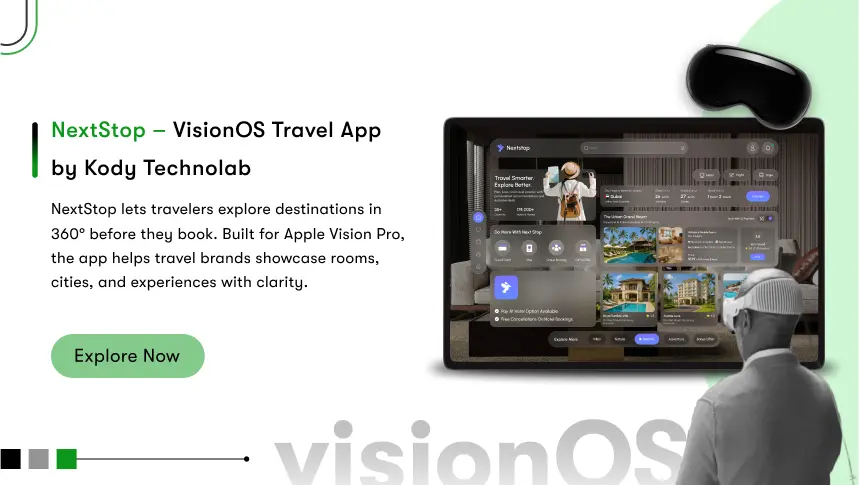
The development of virtual reality shopping systems is progressing at a fast pace because both technological advancements and changing consumer expectations require this progress. Retailers are working to enhance VR retail store experiences, which will create better customer interactions, improved store usability, and the ability to interact with customers in real time. Many brands are also exploring immersive environments within a virtual reality store to create more interactive and social shopping journeys. Businesses create virtual stores, which enable customers to shop online and offline through their extensive omnichannel retail systems. Major players like Apple and Meta are investing heavily in spatial computing, while devices like Apple Vision Pro make immersive experiences more accessible to users. The advancements of these technologies show that virtual commerce has strong potential for future expansion.
What is the cost of a virtual shop?
The cost of building a virtual shop depends on factors like features. The basic virtual reality shopping solutions need moderate investment, but the advanced platforms require real-time interaction and integrations, which cost significantly more. The platform compatibility, design quality, and maintenance requirements create pricing differences for most products. Companies select scalable solutions because they want to achieve three goals, which include cost efficiency, performance optimization, and long-term value creation while maintaining future upgrade capabilities.
How does virtual reality work in retail?
Virtual reality shopping operates through its ability to construct an artificial shopping environment, which enables users to explore and handle virtual products. Customers can navigate digital spaces through their use of VR devices and web platforms, which helps them better understand products while maintaining interest. The system employs 3D modeling together with sensors and real-time rendering technology to create authentic environmental simulations. This method creates better user experiences while helping brands provide customers with three-dimensional shopping experiences that match their individual preferences.
Conclusion
Virtual reality shopping is becoming a vital component of modern retail approaches because businesses need to create more captivating interactive experiences for their customers. The system enables customers to better understand products through improved visualization capabilities, which help them make better purchase choices. As technological development progresses, more companies will use virtual reality solutions to remain competitive within the changing digital environment. Early investment in these innovations establishes stronger customer relationships, which help companies maintain their customer base over time. The combination of artificial intelligence with metaverse technologies and advanced computing devices will create accelerated growth in the industry. Virtual reality shopping will change the way customers discover products and compare them before making a purchase decision in future shopping experiences.









Sign in to leave a comment.