

The explosion of digital data shows no signs of slowing down. Businesses generate terabytes of information daily, remote work has become permanent for millions, and 4K videos now fill our personal devices faster than ever. Traditional storage solutions that once seemed adequate are quickly becoming obsolete.
Network Attached Storage (NAS) has evolved from a niche IT solution into an essential infrastructure component for businesses and tech-savvy individuals alike. This comprehensive guide explores why NAS systems are becoming indispensable and how scale out NAS storage is revolutionizing data management strategies.
Understanding Network Attached Storage
Network Attached Storage refers to dedicated file storage that connects to a network, allowing multiple users and devices to access data from a centralized location. Unlike direct-attached storage that connects to a single computer, network attached storage operates independently and serves files over a network connection.
Modern NAS systems function as sophisticated data hubs. They provide file sharing, backup solutions, media streaming, and even application hosting—all while maintaining enterprise-level security and reliability.
Key Components of NAS Systems
NAS devices typically include specialized hardware running optimized operating systems designed for continuous operation. These systems feature multiple drive bays, redundant power supplies, and network interfaces capable of handling substantial data throughput.
The software layer provides the magic. Advanced file systems, snapshot capabilities, and automated backup features transform basic storage into intelligent data management platforms.
The Data Storage Crisis of 2025
Organizations face unprecedented storage challenges. Research indicates that global data creation will reach 175 zettabytes by 2025—a fivefold increase from 2018 levels. This exponential growth creates several critical problems.
Explosive Data Growth
Video content drives much of this expansion. A single hour of 4K video consumes approximately 42GB of storage space. Security cameras, video conferences, and content creation multiply these requirements across entire organizations.
Document proliferation adds another layer of complexity. Email attachments, presentations, spreadsheets, and collaborative files accumulate rapidly. Many businesses discover their storage needs double annually.
Remote Work Storage Demands
The permanent shift to hybrid work models has fundamentally changed storage requirements. Employees need reliable access to company files from various locations and devices. Traditional server-based solutions often fail to provide the flexibility and accessibility that modern workflows demand.
Cloud storage costs escalate quickly as usage increases. Monthly subscription fees for enterprise cloud storage can reach thousands of dollars, making on-premises solutions increasingly attractive.
Business Benefits of Network Attached Storage
NAS systems deliver compelling advantages that address modern storage challenges while providing additional operational benefits.
Centralized Data Management
Network Attached Storage consolidates scattered files into a single, organized repository. Teams can access the same documents simultaneously without version control issues or email attachments. This centralization eliminates data silos and improves collaboration efficiency.
File permissions and access controls become manageable when administered from one location. IT administrators can grant or revoke access instantly, maintaining security without hindering productivity.
Cost-Effective Scalability
Traditional storage upgrades often require significant infrastructure investments. NAS systems provide more economical scaling options. Additional drives can expand capacity without replacing entire systems.
Scale out NAS storage takes this concept further by allowing organizations to add entire nodes to their storage network. This approach provides both capacity and performance improvements while maintaining seamless operation.
Enhanced Data Protection
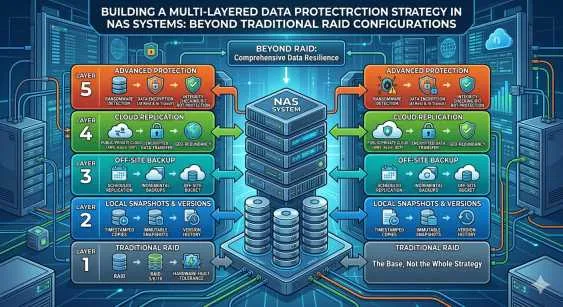
Modern NAS devices include sophisticated backup and recovery features. Automated snapshots capture file states at regular intervals, allowing quick restoration if data becomes corrupted or accidentally deleted.
RAID configurations protect against drive failures by distributing data across multiple disks. If one drive fails, the system continues operating while replacement occurs.
Scale Out NAS Storage: The Game Changer
Scale out NAS storage represents a paradigm shift in how organizations approach data storage architecture. Unlike traditional scale-up approaches that add capacity to existing systems, scale-out solutions add entire nodes to create distributed storage clusters.
Horizontal Scaling Advantages
Scale out NAS storage eliminates capacity bottlenecks that plague traditional systems. Organizations can start small and add nodes as requirements grow. Each additional node provides both storage capacity and processing power, improving overall system performance.
This architecture prevents the performance degradation that often occurs when traditional NAS systems reach capacity limits. Data distribution across multiple nodes maintains consistent access speeds regardless of total storage volume.
Fault Tolerance and Redundancy
Distributed storage inherently provides superior fault tolerance. Data replication across multiple nodes ensures availability even if entire nodes fail. Organizations can perform maintenance or upgrades without service interruptions.
Geographic distribution becomes possible with scale out NAS storage. Organizations can place nodes in different locations while maintaining unified file systems. This approach provides disaster recovery capabilities and improved local access speeds.
Performance Optimization
Multiple nodes working together deliver superior performance compared to single-device solutions. Parallel processing capabilities handle concurrent user requests more efficiently. Large file transfers complete faster through load distribution across available nodes.
Network bandwidth utilization improves as multiple nodes can serve different portions of the same file simultaneously. This capability particularly benefits video editing, CAD work, and other bandwidth-intensive applications.
Implementation Considerations for 2025
Successful Network Attached Storage deployment requires careful planning and consideration of organizational requirements.
Capacity Planning
Accurate capacity forecasting prevents costly over-provisioning while ensuring adequate growth room. Organizations should analyze current data growth trends and project future requirements based on business expansion plans.
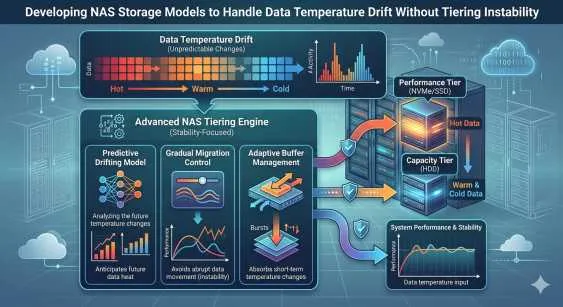
Consider different data types and their storage requirements. Archive data might use high-capacity, slower drives, while active project files benefit from faster SSD storage. Tiered storage strategies optimize cost and performance.
Network Infrastructure Requirements
NAS performance depends heavily on network capability. Gigabit Ethernet represents the minimum acceptable connection speed for modern implementations. Organizations with high-performance requirements should consider 10 Gigabit or faster connections.
Network topology affects performance and reliability. Redundant network paths prevent single points of failure while load balancing distributes traffic for optimal performance.
Security and Access Management
Network-attached storage systems require robust security configurations. User authentication, encryption, and access logging protect sensitive data from unauthorized access.
Regular security updates and monitoring ensure continued protection against evolving threats. Many NAS systems include intrusion detection and automated threat response capabilities.
Future-Proofing Your Storage Investment
Technology continues evolving rapidly, making future-proofing essential for long-term value. Several trends will shape storage requirements through 2025 and beyond.
Integration with Cloud Services
Hybrid cloud strategies combine on-premises NAS benefits with cloud flexibility. Organizations can keep frequently accessed data locally while archiving older files to cloud storage. This approach optimizes cost while maintaining performance.
Cloud backup integration provides off-site protection without managing separate backup infrastructure. Automated synchronization ensures critical data remains protected against local disasters.
Artificial Intelligence and Machine Learning
AI-powered storage management is becoming standard in enterprise NAS systems. Intelligent tiering automatically moves data between storage types based on access patterns. Predictive analytics identify potential hardware failures before they occur.
Content analysis capabilities help organize and tag files automatically. These features improve searchability and help organizations better understand their data usage patterns.
Making the Right Choice
Network Attached Storage has evolved from a convenience into a necessity for organizations serious about data management. The combination of exponential data growth, remote work requirements, and cost pressures makes NAS systems essential infrastructure components.
Scale out NAS storage provides the scalability and performance needed to handle future growth while maintaining operational efficiency. Organizations that implement these solutions position themselves for success in an increasingly data-driven business environment.
The time to act is now. Data storage requirements will only continue growing, and early implementation provides competitive advantages through improved collaboration, reduced costs, and better data protection. Start evaluating your organization's storage needs and consider how Network Attached Storage can transform your data management strategy.






























Sign in to leave a comment.