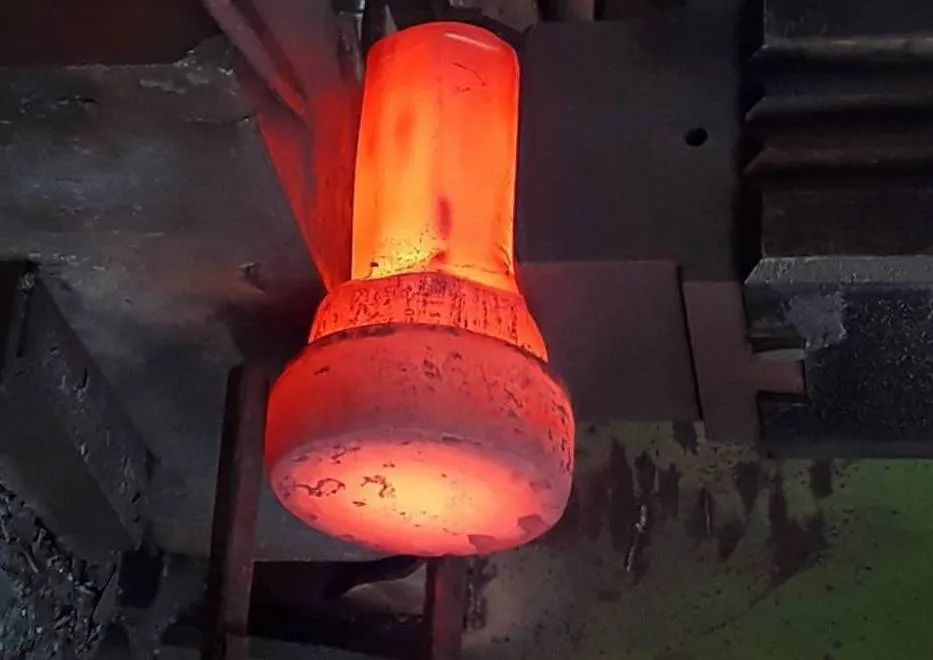

Specialised alloys remain strong and withstand harsh conditions, unlike regular metals. Most metals break down under constant exposure to acids, heat and other corrosive forces. Incoloy 825 is a trusted choice for long-lasting parts, making it a preferred material in offshore, energy, and chemical industries. Incoloy 825 Forged Components take this further, as shaping the alloy under controlled heat and pressure directly determines its structural integrity and performance in the most demanding applications.
What is Incoloy 825?
Incoloy 825 is a nickel-iron-chromium alloy with molybdenum, copper and titanium additions. That combination gives it a well-rounded set of properties that standard stainless steels simply can't match in aggressive environments.
It resists both reducing and oxidising acids, stands up to pitting and crevice corrosion, and holds its mechanical strength at elevated temperatures. Where sulphuric and phosphoric acids are present, it doesn't flinch. It's the alloy engineers reach for when the environment is unforgiving, and component failure isn't an option.
What is the Incoloy 825 Forging Process?
The forging of Incoloy 825 involves a series of carefully controlled steps. Each stage preserves the alloy integrity and guarantees the uniform operation of the parts in real industrial conditions.
Raw Material Selection
Forging starts with certified Incoloy 825 alloy stock. The material must carry full traceability documentation and meet strict compositional requirements. Without that, you can't guarantee the corrosion resistance and strength the finished component needs. No traceability, no compromise.
Heating Process
The alloy is heated to a precise forging temperature in a controlled environment. Uniform heating is everything here. Uneven heat distribution disturbs the grain structure and weakens the component before it's even shaped. That's a risk we don't take.
Forging Operations
Open die and closed die forging are both used depending on the component geometry. Open die handles larger or custom shapes under compressive force. Closed die gives tighter control of dimensions on complex profiles. Both methods improve grain structure as well as overall mechanical performance. This signifies more robust and reliable components.
Heat Treatment
Components are forged, then heat-treated and cooled under controlled conditions. This alleviates the internal stresses generated during the forging process and stabilises the mechanical properties of the alloy. And that's the difference in the component that's going to last and the one that's not going to last.
Finishing and Machining
Surface finishing, precision machining and dimensional inspection complete the process. Every Incoloy 825 forged component is verified against specification before it leaves the facility. No shortcuts. No compromises.
Benefits of Incoloy 825 Forging
Incoloy 825 forged parts are manufactured to withstand the most extreme conditions. That’s why engineers and purchasing teams always specify them.
- Incoloy 825 forged parts are reliable, where there is always a threat of material degradation because they are resistant to aggressive acids and corrosive chemicals.
- Incoloy 825 parts are clearly the better choice when mechanical loads are high and constant because forging makes parts much stronger than cast parts.
- The forging process refines the alloy’s grain structure, directly improving toughness, fatigue resistance, and long-term mechanical performance.
- Manufactured using Incoloy 825, our components are more durable and demand less maintenance, helping to eliminate unplanned downtime and contain operational costs.
- They are resistant to pitting and crevice corrosion, so they will not suffer surface breakdown in chloride-rich and acidic environments.
- Incoloy 825 forgings are ideal for high-pressure and temperature applications where material integrity is critical.
Industrial Applications of Incoloy 825 Forged Components
Incoloy 825 forged components are trusted across industries where chemical aggression, pressure, and heat are everyday challenges. Each application demands a material that won't let the system down.
Oil and Gas Industry
Offshore platforms and sour gas environments are brutal. Incoloy 825 forged components handle valves, flanges, and pressure-bearing parts where hydrogen sulphide and chloride exposure is constant. The alloy's resistance to stress corrosion cracking makes it a dependable choice for downhole and subsea service. It survives where others don't.
Chemical Processing Industry
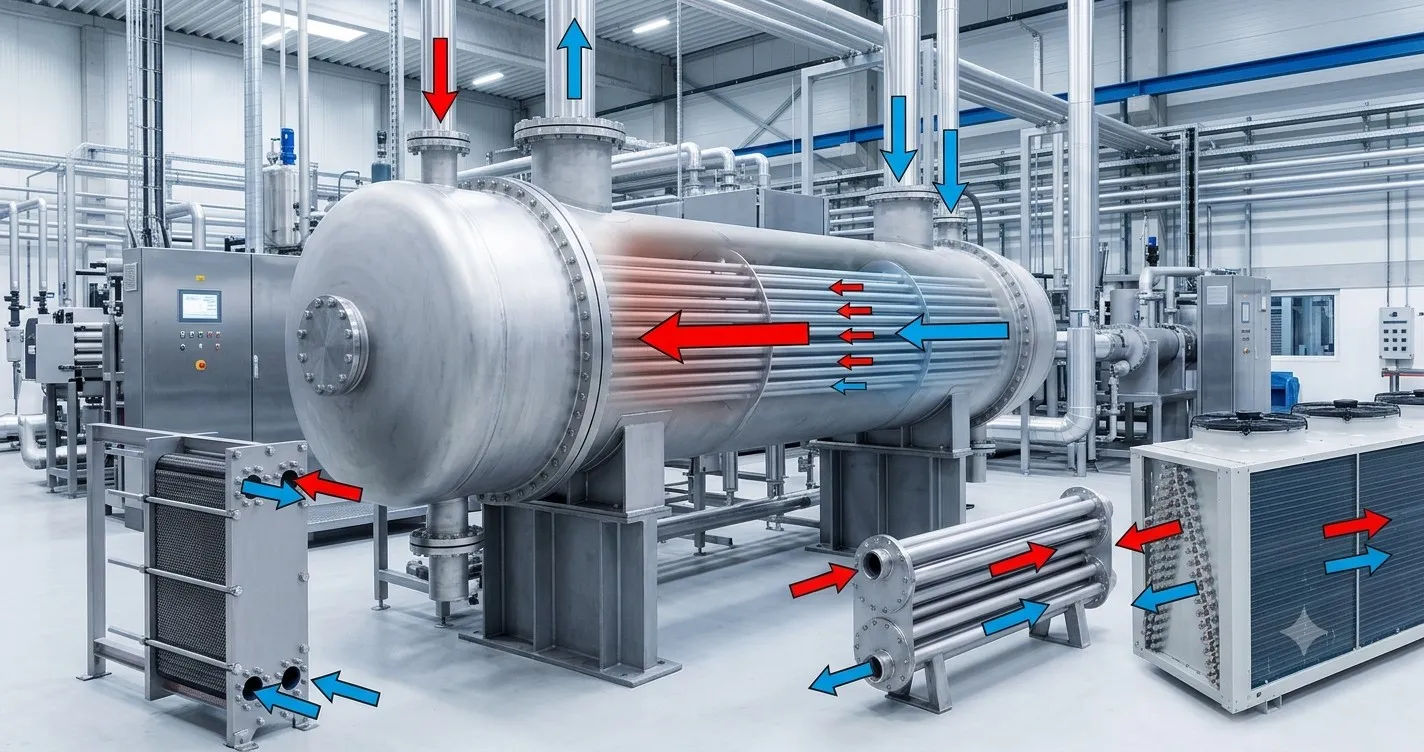
Acid handling systems, reactors, and heat exchangers face some of the most aggressive media in any industry. Incoloy 825 forging stands up to sulphuric and phosphoric acid environments where lesser alloys deteriorate quickly. It's a practical, long-term solution for chemical service applications that can't tolerate frequent component replacement
.
Marine Applications
Seawater corrodes fast. Incoloy 825 forged components used in marine systems resist continuous saltwater exposure and fight off the pitting and crevice corrosion that compromise other materials. Propeller shafts, fittings, and structural marine components all benefit from this alloy's durability.
Power Generation
Heat exchangers, steam generators, and high-temperature equipment need materials that handle thermal cycling and corrosive process media simultaneously. Incoloy 825 forging delivers both. It maintains structural integrity under prolonged heat exposure without sacrificing corrosion resistance.
Pollution Control Systems
Scrubbers and flue gas desulphurisation units handle corrosive gases that eat through standard materials quickly. Incoloy 825 forged components survive these conditions reliably. It's the kind of performance pollution control equipment depends on.
Incoloy 825 Forging vs Casting
Forging outperforms casting for critical components. The grain flow is refined and continuous during the forging process, which cannot be done by casting, and thus it provides better fatigue resistance and higher impact strength. Cast parts tend to be porous or have internal voids, which can cause early failure under load. Some applications require reliability, and Incoloy 825 forged components are the solid choice.
How to Choose the Right Incoloy 825 Forging Supplier
Selecting the right Incoloy 825 forging supplier begins with certifications and traceability. Each element shall have established records of compositional testing and mechanical testing. That's the ground floor.
In addition to documentation, consider forging capabilities and experience with nickel alloy forgings in particular. A supplier who understands the forging behaviour of Incoloy 825 will always make better components than one treating it like a normal steel. Customisation options, quality testing standards and reliable delivery timelines are equally important. We work alongside clients, ensuring each Incoloy 825 forged component is produced to specification and supported with the technical guidance to make the right material decisions.
Conclusion
Incoloy 825 forging delivers the corrosion resistance, mechanical strength, and long-term reliability that demanding industries depend on. From oil and gas to chemical processing and marine environments, these components perform where others fall short. If your application requires high-performance forged components, contact a trusted Incoloy 825 forging supplier to discuss your specifications and get the right solution in place.





















Sign in to leave a comment.