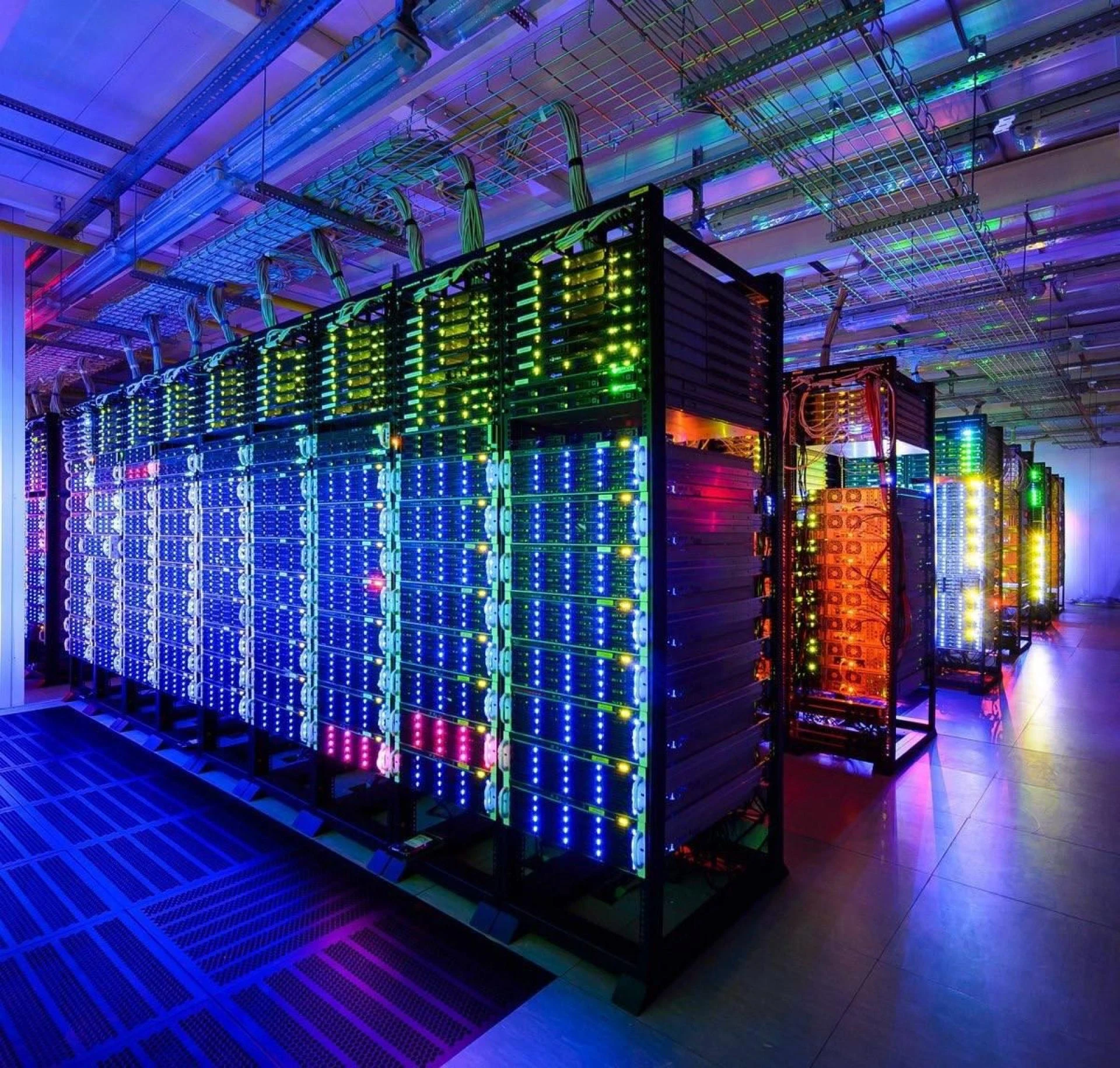

Cloud storage solutions like Dropbox, Google Drive, and AWS have become the go-to for many individuals and businesses. With their promise of anywhere-access and seemingly infinite space, it’s easy to think that local storage hardware is a thing of the past. But as data volumes continue to explode and security concerns grow, a classic solution is proving its enduring value: Network Attached Storage (NAS).
Despite the cloud's dominance, NAS devices are not just surviving; they are thriving by offering a unique blend of control, security, and cost-effectiveness that the cloud can't always match. This post will explore why network attached storage remains a vital component of modern data strategy and how innovations like scale-out NAS are keeping it competitive in 2025 and beyond.
What is Network Attached Storage (NAS)?
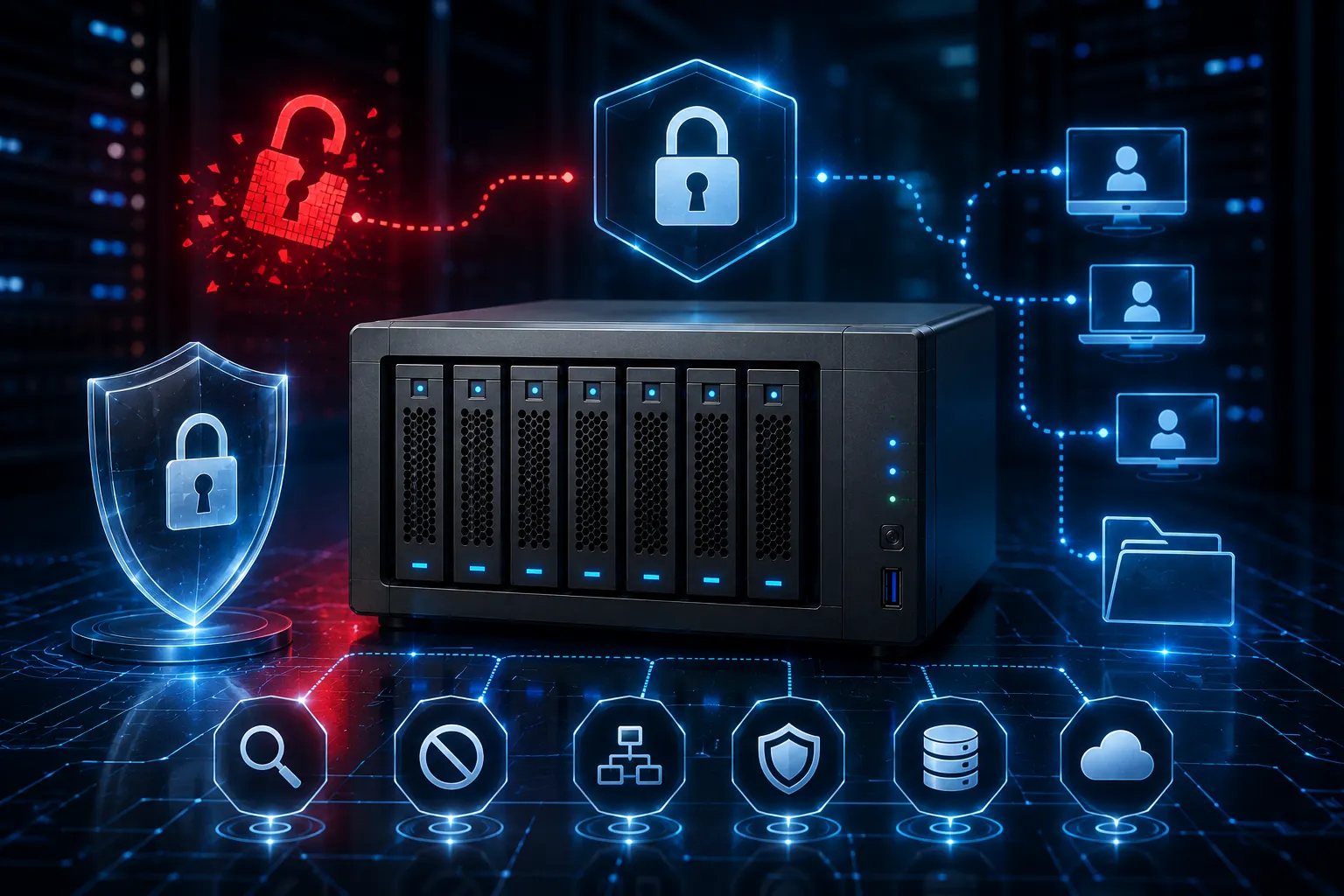
Before we explore its modern relevance, let's quickly define what we're talking about. A Network Attached Storage (NAS) device is a dedicated file storage server that enables multiple users and devices on a network to access and share data from a central location. Think of it as a private cloud, but one that physically sits within your home or office.
Unlike a simple external hard drive that connects to one computer via USB, a network attached storage connects directly to your network router. This setup allows anyone with permission on that network—from employees in an office to family members at home—to store, retrieve, and collaborate on files as if they were on their own local drive.
The Cloud Isn't Always the Perfect Solution
The public cloud offers incredible convenience, but it comes with its own set of challenges that highlight the advantages of NAS.
- Recurring Costs: Cloud storage is typically sold on a subscription model. While initial costs might be low, they add up significantly over time, especially as your data storage needs grow. These monthly or annual fees can become a substantial operational expense.
- Security and Privacy Concerns: When you upload data to a public cloud, you are entrusting your sensitive information to a third-party provider. While major cloud companies have robust security measures, data breaches and privacy issues remain a persistent risk. You have less direct control over who can access your data and how it is protected.
- Performance Limitations: Accessing files from the cloud is dependent on your internet connection speed. Large file transfers can be slow and frustrating, particularly for high-resolution media or extensive databases. This can create bottlenecks and hinder productivity, especially for teams working with hefty data loads.
Why NAS Remains a Powerful Choice in 2025?
Given the cloud's limitations, network attached storage provides a compelling alternative by offering control, security, and long-term value. Here are the key reasons why NAS is still a smart investment.
Complete Control Over Your Data
The most significant advantage of a NAS is ownership. Your data resides on hardware that you own and manage, giving you complete authority over how it's stored, secured, and accessed. You set the rules, not a third-party service provider. This is particularly crucial for businesses handling proprietary information or individuals who prioritize data privacy. With a NAS, you are not subject to a provider's changing terms of service or potential service outages.
Enhanced Security
With a NAS, your data stays within your local network, drastically reducing its exposure to external threats. You can implement your own security protocols, including firewalls, encryption, and access controls tailored to your specific needs. This localized security model makes it much more difficult for unauthorized parties to gain access to your sensitive files compared to data stored on a public server.
Superior Performance for Local Networks
For users who frequently work with large files—such as video editors, designers, or engineers—a NAS offers unmatched speed. Since data is transferred over your local network, speeds are significantly faster than even the quickest internet connections. This means seamless 4K video streaming, rapid backups, and quick access to large project files, all without the frustrating lag of cloud-based transfers.
Cost-Effective in the Long Run
While a NAS system requires an upfront investment in hardware, it is often more economical over the long term. Once you purchase the device and drive, there are no recurring subscription fees. As your storage needs expand, you can simply add or upgrade hard drives, often at a lower cost than upgrading a cloud storage plan. This one-time-purchase model provides a predictable and manageable total cost of ownership.
The Evolution of NAS: Scale-Out Architecture
Modern data needs are not static; they grow and fluctuate. Traditional NAS systems, known as "scale-up" models, handle increased demand by adding more drives to an existing unit. However, once that unit reaches its capacity, you have to replace it with a larger, more powerful one—a costly and disruptive process.
This is where scale out NAS architecture comes in. Instead of replacing a single, maxed-out device, a scale-out NAS allows you to add more NAS units (or nodes) to the existing system. These nodes work together as a single, unified storage pool. When you add a new node, its storage capacity and processing power are combined with the rest of the cluster, improving overall performance and expanding the storage space seamlessly.
This approach offers incredible flexibility and scalability, allowing businesses to start with what they need and grow their storage infrastructure incrementally without downtime or complex data migration. For organizations with unpredictable data growth, a scale-out NAS is a future-proof solution that adapts to their evolving demands.
Your Data, Your Rules
The debate is not about choosing between NAS and the cloud, but about creating a storage strategy that leverages the strengths of both. For many, a hybrid approach—using the cloud for offsite backups and remote collaboration while relying on network attached storage for primary storage, security, and performance—offers the best of both worlds.
A NAS gives you a secure, high-performance foundation for your digital life that public cloud services simply cannot replicate. With innovations like scale-out NAS making these systems more flexible and powerful than ever, it’s clear that network attached storage is not just relevant in 2025—it's an essential tool for anyone serious about managing their data effectively.


























Sign in to leave a comment.